skip navigation

Wavecrest Open Space Trail

BE61E61D-1696-4A21-80F8-E5C3C19718CA.jpeg

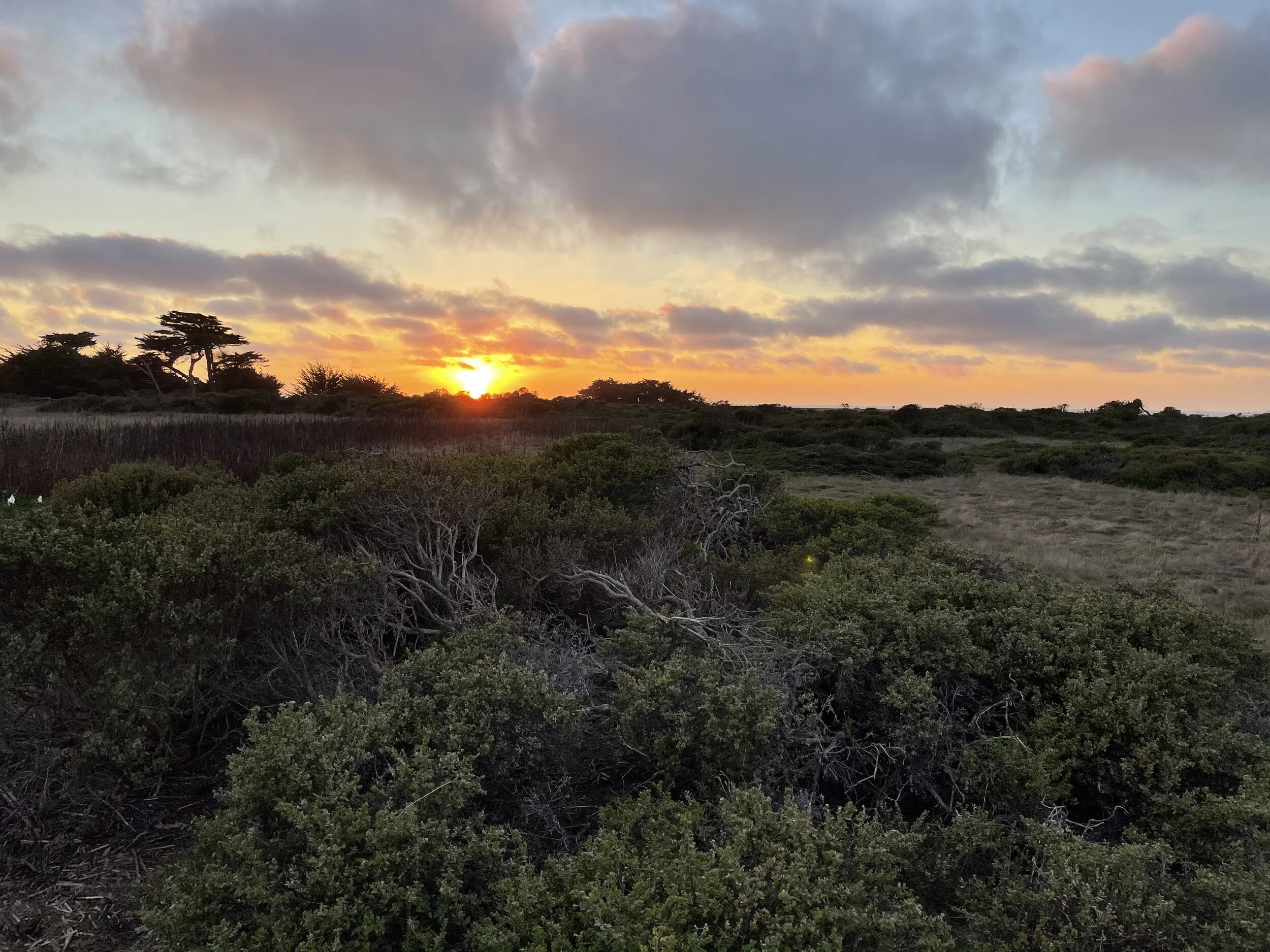
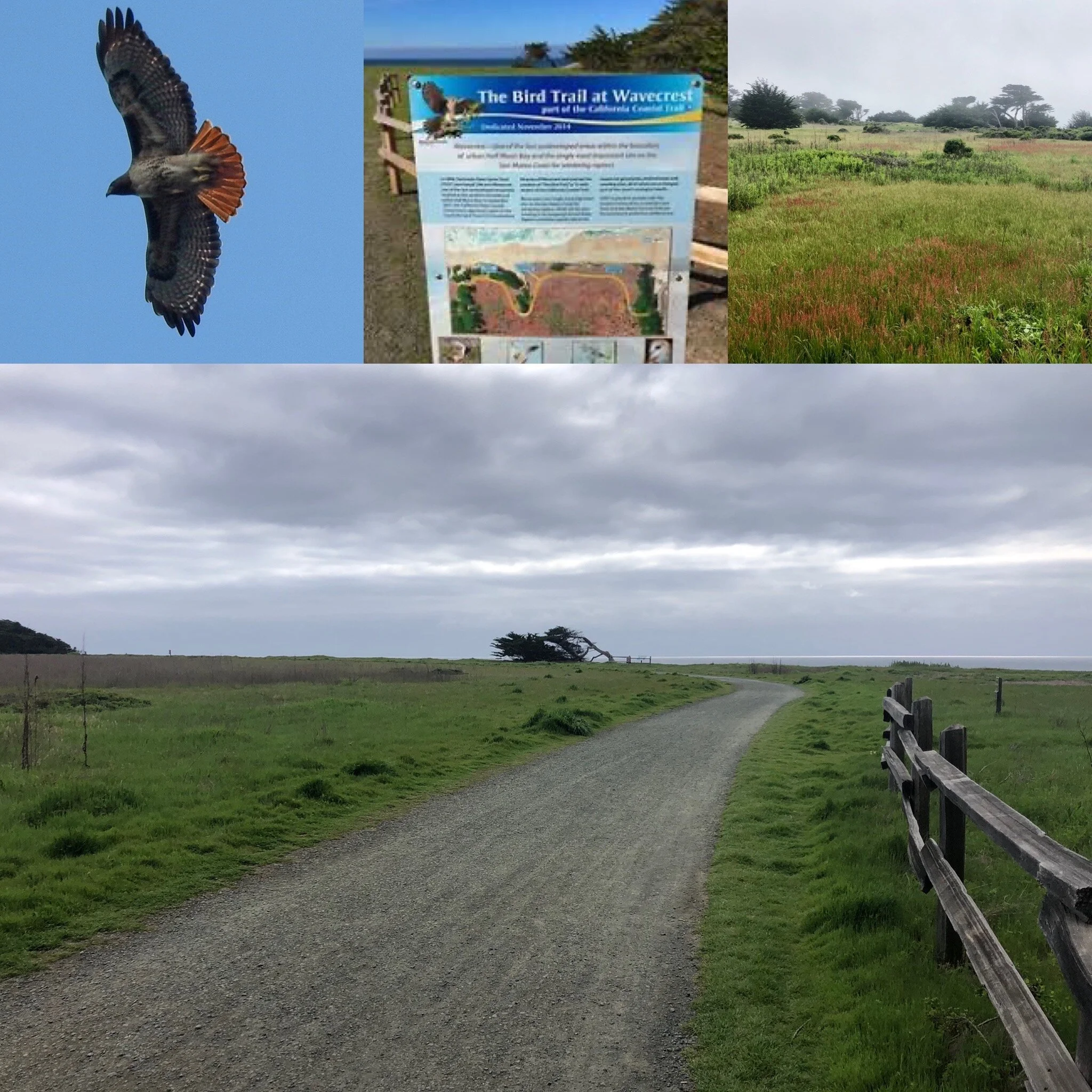
In 2008, Peninsula Open Space Trust (POST) purchased 206-acre Wavecrest, one of the last undeveloped properties nestled at the southern boundary of urban Half Moon Bay. In September 2011, the California State Coastal Conservancy approved a grant to the Coastside Land Trust (CLT) to purchase 50 acres of Wavecrest and oversee the creation of “The Bird Trail,” a 1/3-mile stretch of the California Coastal Trail.

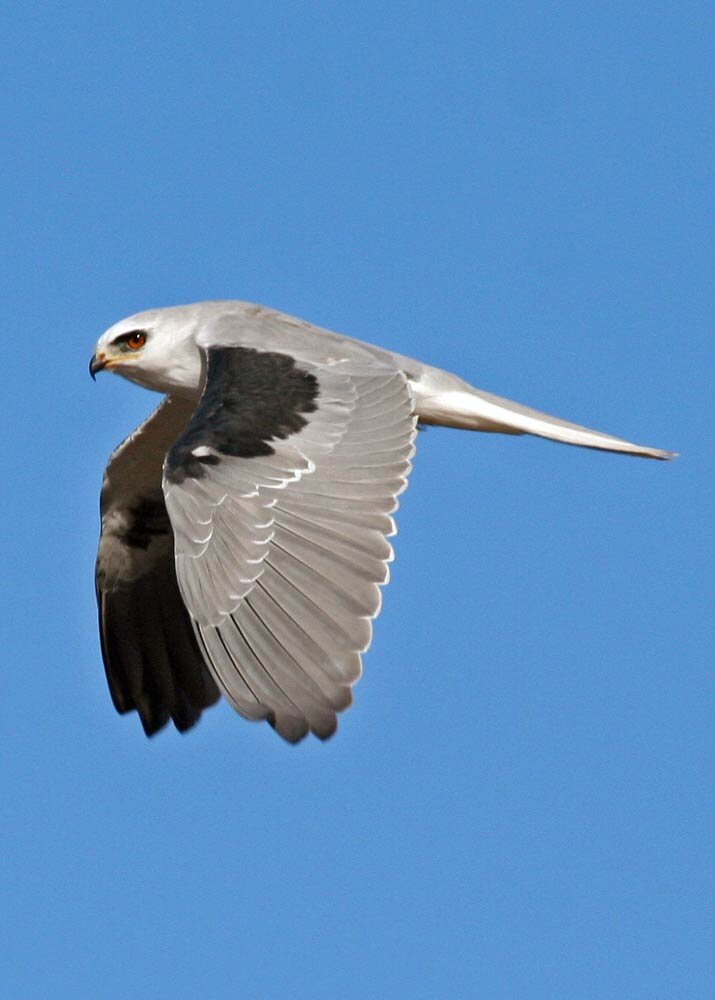
Wavecrest is the single most important site on the San Mateo Coast for wintering raptors, which can be seen hunting in the property’s broad fields. Raptors and other species rely on its expansive grasslands, wetland areas and roosting sites, all of which are an integral part of the coast’s ecological health.

From this trail one can view the Pacific Ocean and the many gulls, pelicans and cormorants roosting in nearby trees. With binoculars, one can see a number of shore birds racing the waves in search of food. This is also a great vantage spot to view migrating whales. Here one may also view an active variety of raptors and other bird species in flight, such as northern harriers, white-tailed kites, American kestrels, and a variety of hawks.

Dogs are welcome on-leash at Wavecrest. Please pick up after your pets and respect other visitors. Also, during this challenging time of COVID-19, public health officials recommend that hikers maintain social distance and wear or carry a mask to protect one another.

Overview: You can do an easy hike along the 0.3-mile Bird Trail, which runs along the north end of Wavecrest, or do a 1.5-mile (roundtrip) section of the California Coastal Trail that runs through the property.

HIKING DETAILS FOR WAVECREST

Distance: 1.5 miles

Elevation change: Flat

Hiking time: Less than an hour

Trail surface: Packed dirt, mostly exposed

Best Season: Year round

DIRECTIONS TO THE WAVECREST TRAIL HIKE

To Access from the North (where the Bird Trail begins):

You can park at the Poplar beach parking lot (on the corner of Poplar Street and Railroad Ave). Note: This is a City of Half Moon Bay paid parking lot. Once you have parked you will walk south on the coastal trail over the Seymour bridge directly into the north end of Wavecrest. You can see this bridge from the parking lot.

To Access from the South:

Wavecrest Open Space is located off Highway 1 in Half Moon Bay. From Highway 92 west go south on Highway 1 and drive about 1.5 miles to Wavecrest Road. Wavecrest Road will be your next right after you pass Higgins Canyon Road. Turn right at Wavecrest Road. You’ll see Cameron’s Pub and the double decker bus on the corner of Wavecrest Rd and Highway 1. If you see Redondo Beach Road you've gone too far south on Highway 1. Drive to the end of Wavecrest Road and park. You'll see the baseball diamonds on your right.

Amaryllis Belladonna In Bloom

IMG_2266.jpeg

**Nature Nugget**

Keep your eyes out for the Naked Ladies! 

The Amaryllis belladonna, also known to many as the Naked lady or Pink Amaryllis, is just beginning to blossom, with peak blooms to be viewed in August and September. This perennial herb is a non-native to California. It comes from South Africa, and is widely cultivated as an ornamental.

The Amaryllis Belladonna begins its growth in winter after the rain. The green strap-shaped leaves make a significant clump of foliage in winter and early spring. All of these leaves then die back by the end of spring. About six to eight weeks later, in late summer, a bloom stalk of fragrant pink flowers emerges on a leafless stalk - hence the name “naked”. These flowers grow to about 20 inches tall, and are usually a soft pink, although colors may vary from white to a deep pink color.

RAPTORS OF WAVECREST with Alvaro Jaramillo Songbirds, Seabirds and More Webinar Series - Session Six

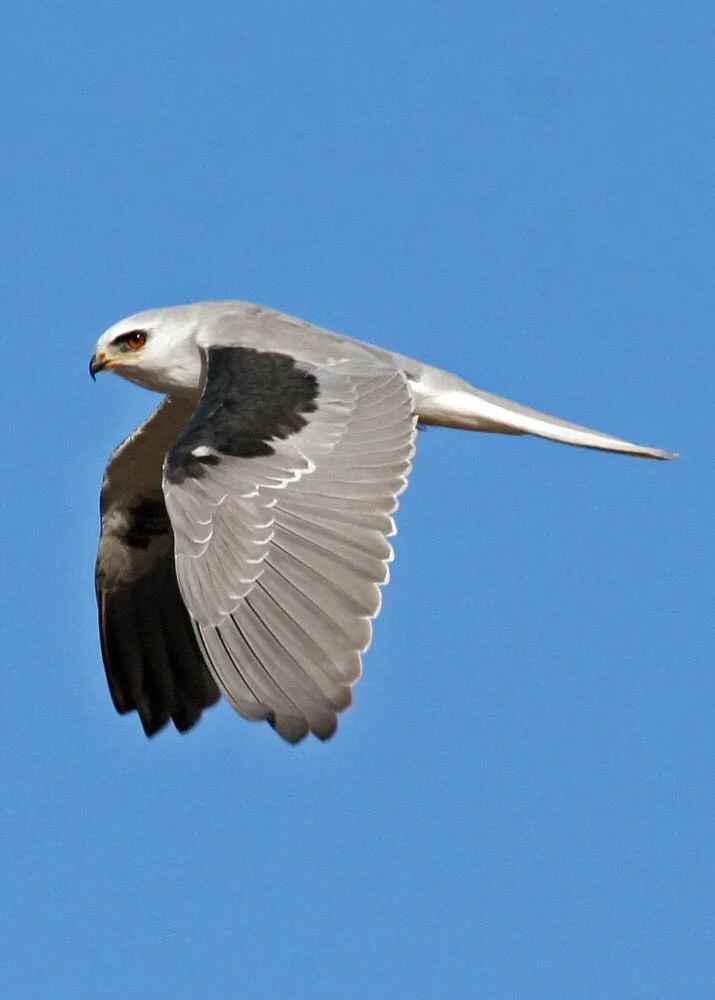
Pictured: White Tailed Kite

Pictured: White Tailed Kite

Here is a recording of the Songbirds, Seabirds and More Webinar Series/Session 6- RAPTORS OF WAVECREST. Renowned international bird guide, Alvaro Jaramillo, joins the Coastside Land Trust to share about our local raptors, of which there are many. To learn more about Alvaro Jaramillo and his tours, research, and other work, check out: http://alvarosadventures.com

Alvaro was kind enough to write up responses to questions we didn’t have time for in the webinar. Check out his answers to your birding questions here.

These webinars are made possible by the generosity of donors. Donate to help us continue our work.

Donate

Evergreens Of The Coast

istockphoto-941496084-612x612.jpg

**Nature Nugget**

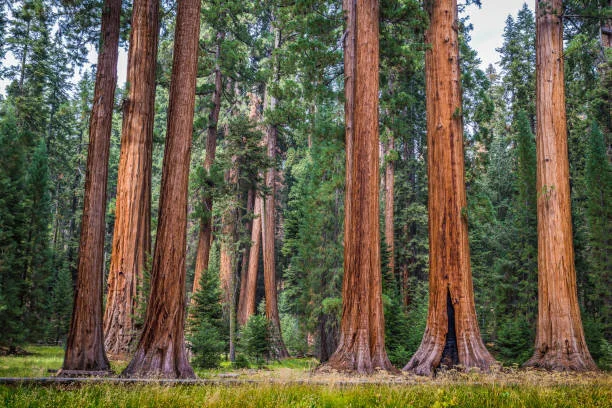
For any of you who have moved to the Half Moon Bay coast from another region, you have surely noticed the presence of the evergreen trees that inhabit our coastside. Among them is the impressive native California Redwood. But you will also notice the many pines and oaks, and the Douglas fir and Sargent cypress.

Evergreen trees have year-round foliage that remains green throughout the seasons. The leaves of evergreens are generally thicker and more leathery than those of deciduous trees and often are needlelike or scalelike in cone-bearing trees. Although they do lose their leaves, evergreens lose them gradually and throughout the many months of the year. In fact, a leaf may remain on an evergreen tree for two years or longer.

There are a combination of factors that support the dominance of evergreen trees within the local landscape. One key element relates to rain and temperature. Here in Half Moon Bay, the rain generally comes during the winter and into the early spring, when it is colder and there is less sun. For this reason photosynthesis becomes more limited.  In the early spring, when temperatures start to warm but it is still wet, it takes a lot of energy to grow new leaves. Evergreens have a head start here, as they use their existing leaves for photosynthesis, as they rush to grow new leaves before the dry months of the summer.

Evergreens can also reinforce their own dominance, as their needles and leaf litter have a high carbon-nitrogen ratio that contributes to a high soil acidity and lower soil nitrogen content. These conditions favor the growth of more evergreens and make it more difficult for deciduous plants to persist. Additionally, the shelter provided by existing evergreens can make it easier for younger evergreens to survive a drought.

Goats And Sheep As Land Stewards

10562953_675660602504602_8744900811644091427_n.jpg

**Nature Nugget**

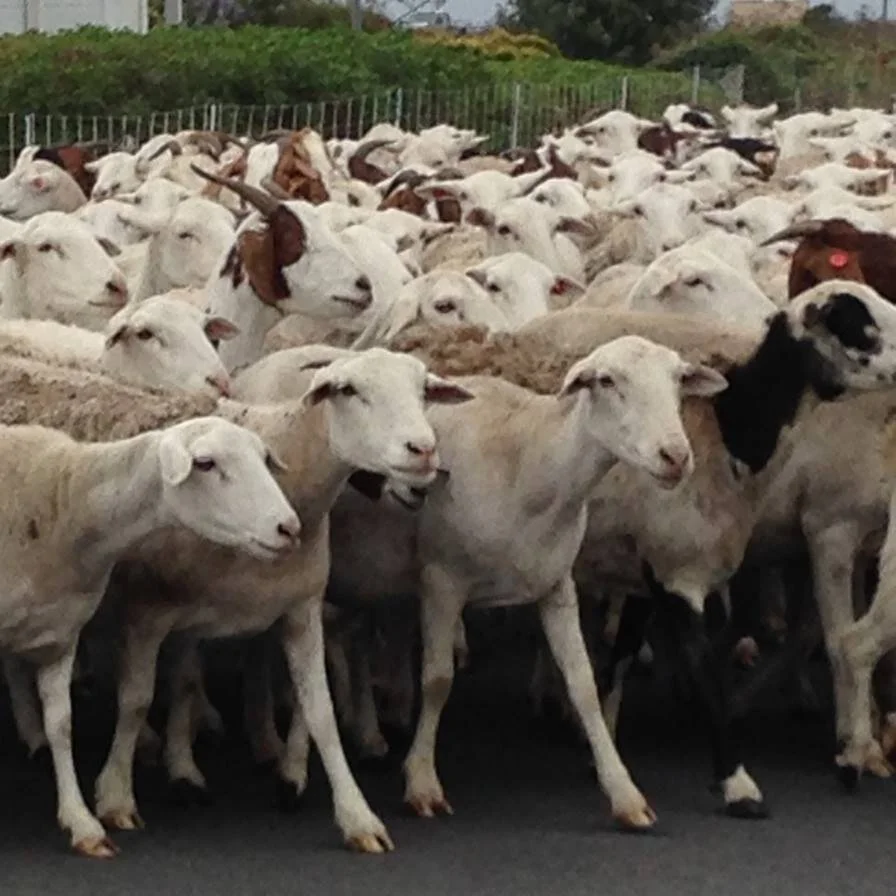
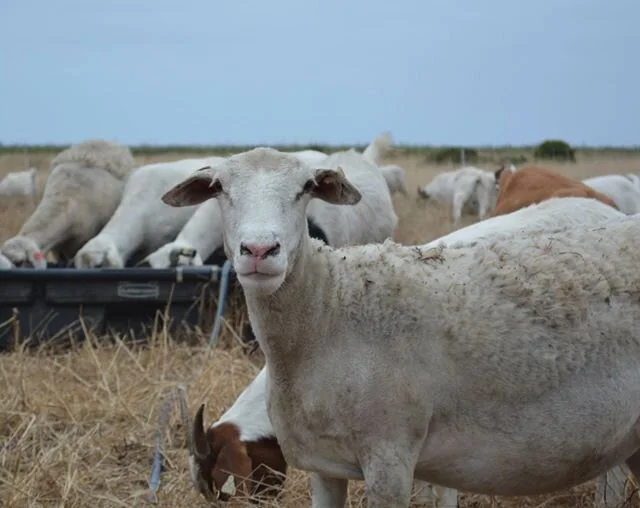
Are you curious about those goats and sheep that you see down at the Railroad Right of Way in Half Moon Bay?

This large herd of over 200 sheep and goats comes from Star Creek Land Stewards, and works with the Coastside Land Trust as a part of a planned grazing project. These sheep and goats are effective at eating fire fuel, aerating the soil, fertilizing the ground, and encouraging the growth of native plant species. This results in a reduction in wildfire danger, improved soil fertility, and an increase in the diversity of native perennial grasses. This process is also good for the environment, as it doesn't require petroleum products or chemicals of any kind.

Within this planned grazing project the goats and sheep work together- each serving it’s beneficial role, as grazers (sheep) and browsers (goats). As grazers, sheep are herbivores that feed on lower lying plants, such as grass and other ground level vegetation. As browsers, goats enjoy roughage. Goats like to eat at chin level and will eat the leaves and twigs off of shrubs and trees before they’ll turn to grass, which they will also do, but with less consistency than sheep. Goats are also likely to take a chance on eating a plant they don't know, and their guts can tolerate a wide variety of plant species.

Stop by the intersection of Railroad Ave & Poplar St in Half Moon Bay and say hello to our fuzzy restoration workers. 

BIRDING THE HARBOR with Alvaro Jaramillo Songbirds, Seabirds and More Webinar Series - Session Five

American Black Oystercatcher HMB.jpg

Here is a recording of the Songbirds, Seabirds and More Webinar Series/Session 5- BIRDING THE HARBOR. Renowned international bird guide, Alvaro Jaramillo, joins the Coastside Land Trust to share about our local harbor birds. To learn more about Alvaro Jaramillo and his tours, research, and other work, check out: http://alvarosadventures.com

Alvaro was kind enough to write up responses to questions we didn’t have time for in the webinar. Check out his answers to your birding questions here.

The Restoration Herd Is Here

39080812_2410996268971018_9167449196133875712_o.jpg

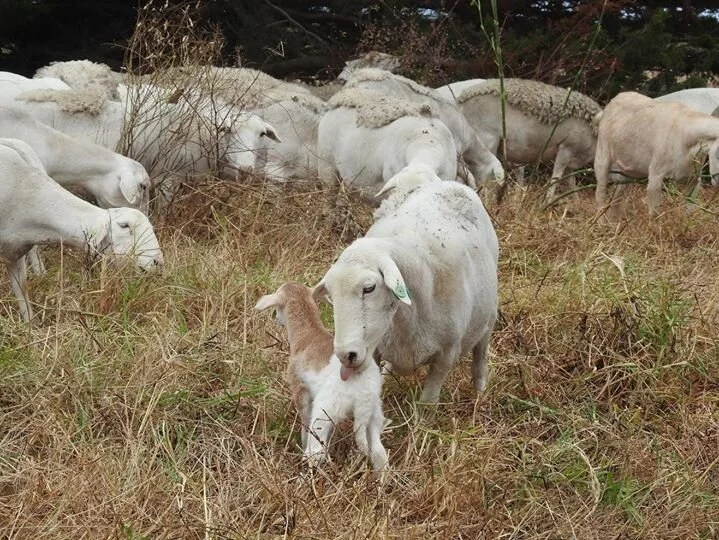
The restoration herd has arrived at Railroad Right of Way. They got right to work refreshing the area and applying fresh fertilizer. They do great work fertilizing the ground, eating fire fuel, and encouraging the growth of native plant species. Stop by the intersection of Railroad Ave & Poplar St in Half Moon Bay and say hello to our fuzzy restoration workers.

Donate to support the preservation of our open space land

Lovely Lupine

DB0C31CE-352C-4CE1-98B0-C4310631A424.jpeg

**Nature Nugget**

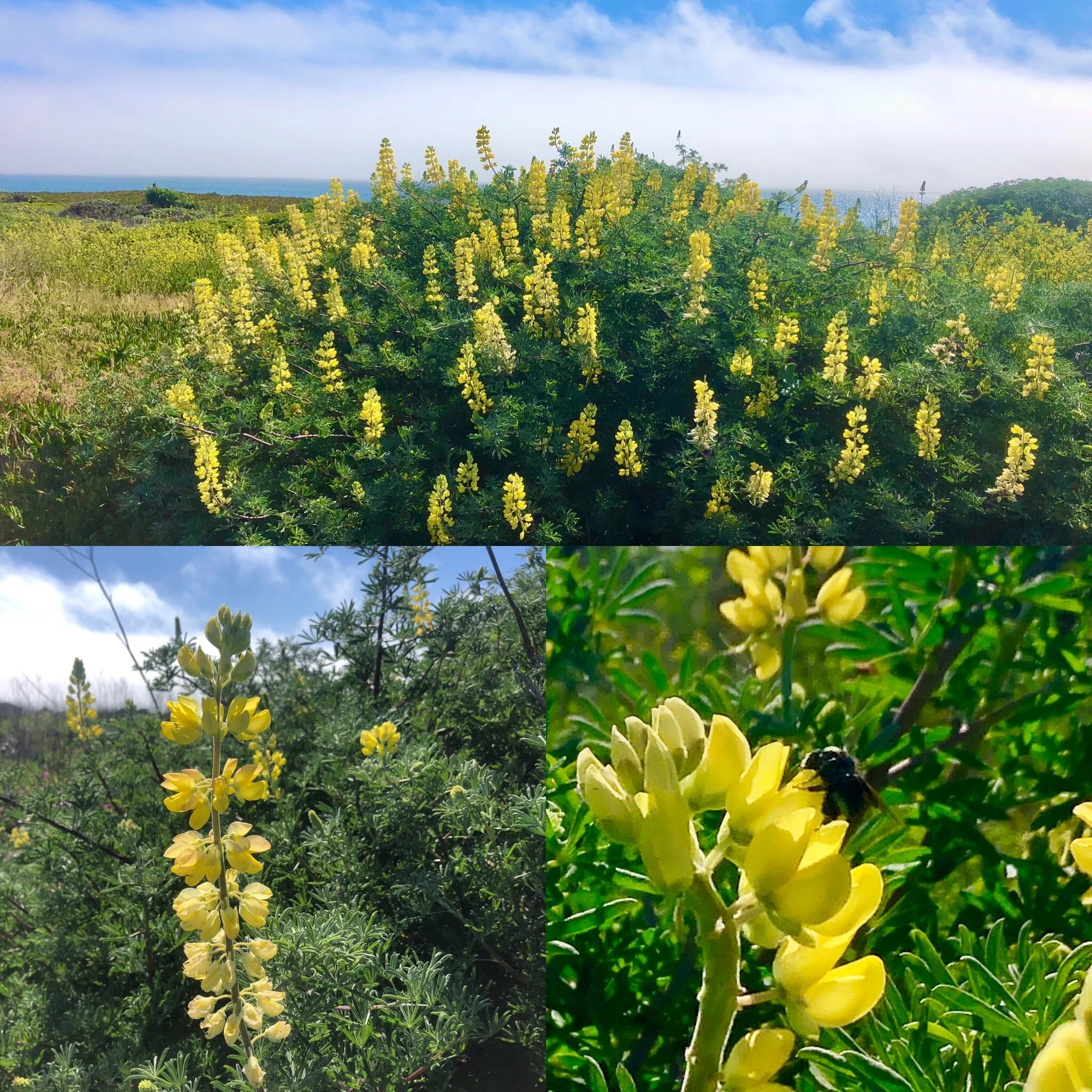
Lupine (genus Lupinus) is a type of flowering plant that belongs to the pea family. With approximately 200 lupine species and a wide climate range, the genus contains both perennial and annual herbaceous species, as well as some shrubby and tree varieties.  All lupine share similar characteristics, such as the cluster of pea-like blossoms growing on spires, set above clumps of palmately divided leaves. Dependent upon the variety, these plants can grow to be anywhere from 1 to 5 feet tall, and are very successful in attracting their main pollinators, which include bees, hummingbirds and butterflies. 

The lupine flowers can be yellow, purple, blue, red, white or bi-colored. There is a large white dot on each small flower, acting as a nectar guide that directs the pollinators to the nectar/pollen source. As the flowers fade, the spots turn bright pink, letting insects know that the nectar and pollen are depleted. Once pollinated the lupine produces a seed pod containing several seeds. When the seed pod becomes dry and brittle, the built-up torsion rips the pod apart and seeds are shot several feet away from the parent plant.

Lupines prefer well-drained, slightly acidic soil and areas that provide ample sun, such as fields, savannas, sand dunes, and areas near the roads. Wild lupine is a plant that thrives in areas that are periodically disturbed, which reduces or eliminates plant competition and overhead canopies. The name lupine originates from the Latin word "lupus" which means “wolf". It refers to an old mistaken belief that lupines strip the nutrients of the soil and ravage the land like a wolf. Despite its false name, lupines are actually able to improve the quality of the soil. Lupines (like beans and peas) are nitrogen fixers, which means that they aid soil fertility by fixing nitrogen from the air into the soil, fertilizing the soil for other plants simply by growing there.

BEACH AND OCEAN BIRDS with Alvaro Jaramillo Songbirds, Seabirds and More Webinar Series - Session Four

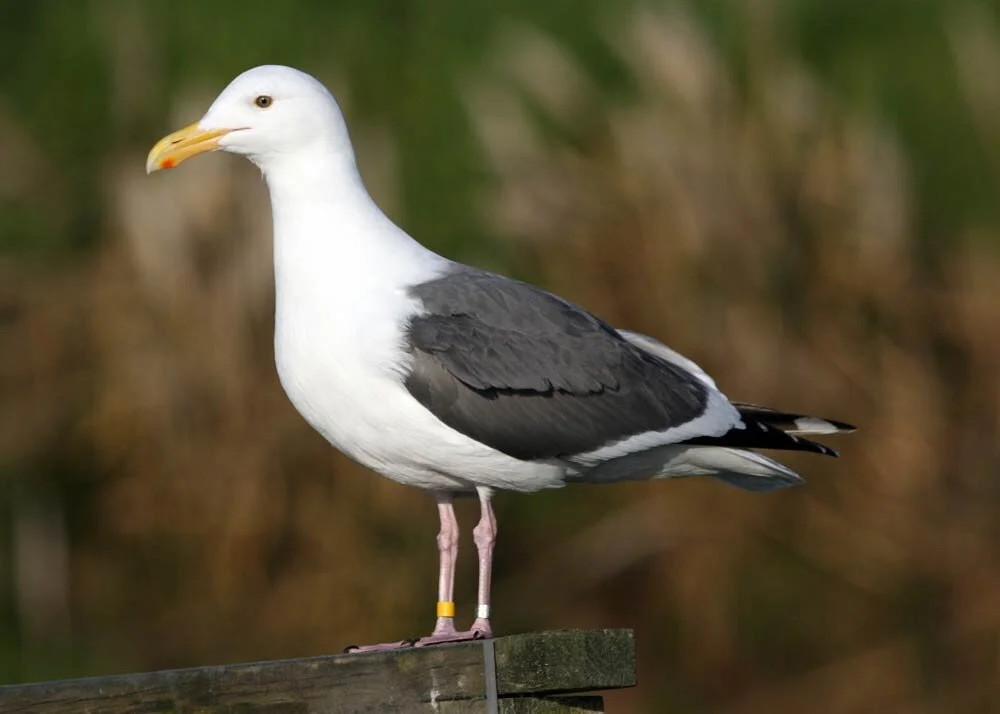
Pictured:  Western Gull

Pictured: Western Gull

Here is a recording of the Songbirds, Seabirds and More Webinar Series/Session 4- Beach and Ocean Birds. Renowned international bird guide, Alvaro Jaramillo, joins the Coastside Land Trust to share about our local shore birds. To learn more about Alvaro Jaramillo and his tours, research, and other work, check out: http://alvarosadventures.com

Alvaro was kind enough to write up responses to questions we didn’t have time for in the webinar. Check out his answers to your birding questions here.

REGISTER AND LEARN MORE

These webinars are made possible by the generosity of donors. Donate to help us continue our work.

DONATE

Banana Slugs

Banana_slug_at_UCSC.jpg

**Nature Nugget**

If you go out for a hike in the local redwood forests on a moist day, it would be hard to  miss the banana slugs. They are often bright yellow (hence the banana nomenclature) although sometimes they are greenish, brown, tan, or even white. These slugs are native to coniferous forests along the Pacific coast, ranging from Southeastern Alaska down to the Channel Islands (with one location identified in San Diego County).

The banana slug is one of the slowest creatures on Earth, moving at a maximum speed of six and a half inches per minute. Like all slugs, they use two pairs of tentacles to sense their environment. The larger, upper pair protruding from the top of their heads is used to detect light and movement. The lower tentacles are used to feel and smell. The tentacles can retract and extend themselves to avoid damage, and regrow if injured.

Like all gastropods, banana slugs are hermaphrodites, which means they possess both female and male sex organs simultaneously. Each animal is both female and male at the same time, and all slugs are able to lay eggs. They’re able to mate with themselves, though they commonly court and mate with other individuals.

Banana slugs dispense dry granules of mucus, which then absorb several hundred  times their volume in water to create slime. This slime helps them to move, stay moist, and to ward off predators. The slimy covering also contains chemicals that act as an anesthetic, numbing the throat and tongue of an animal that tries to eat it. Due to a dependence on this slime and a susceptibility to dehydration, banana slugs are more active during cool, moist days and during the night. 

Banana slugs are an important part of their ecosystem. As decomposers , they eat detritus (dead organic matter), including moss, mushroom spores, fallen leaves, plants, and animal feces. They then recycle their food into nutrient-dense waste, which fertilizes and enriches the soil.

SONGBIRDS with Alvaro Jaramillo Songbirds, Seabirds and More Webinar Series - Session Three


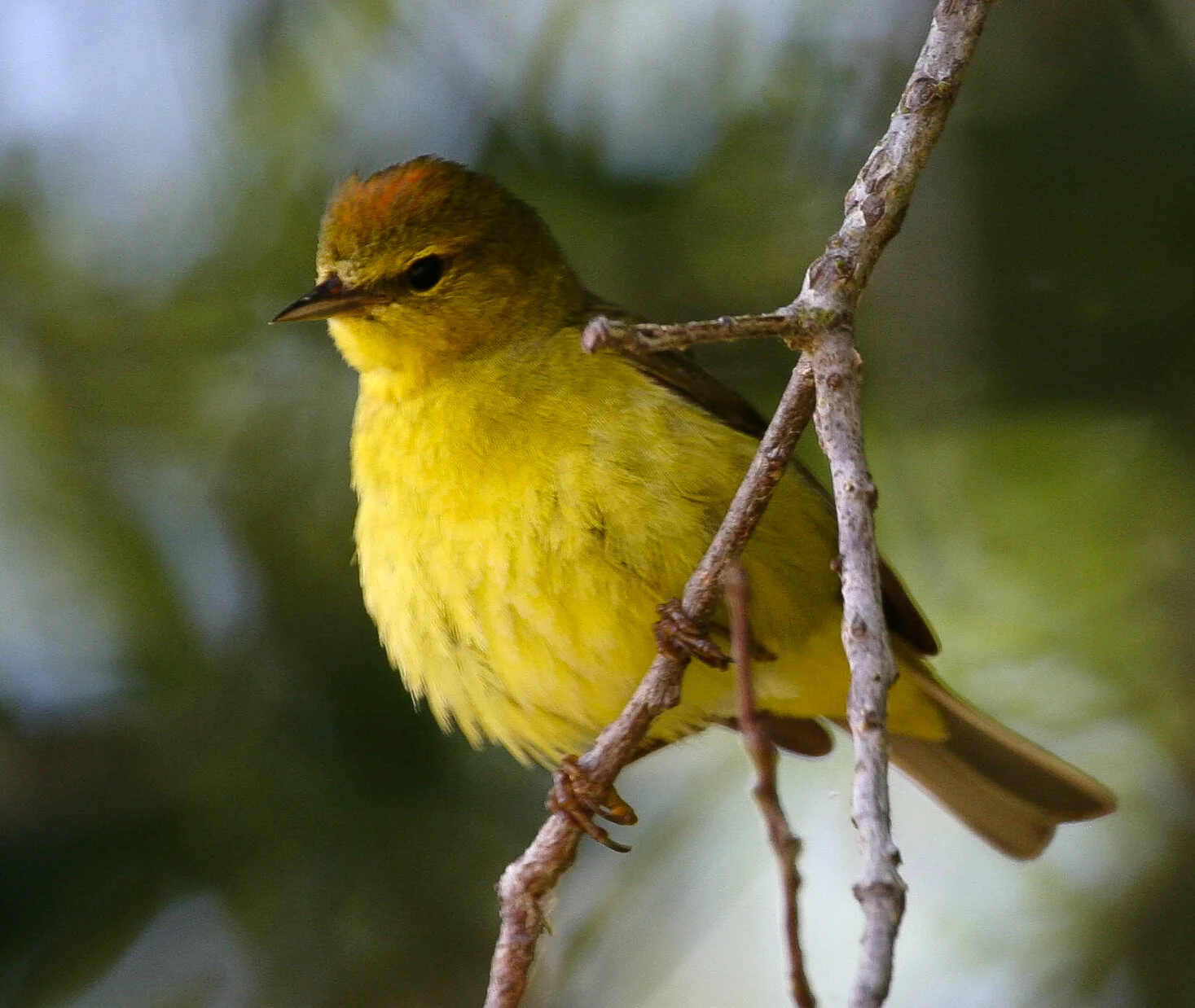
Pictured: Orange-crown warbler

Pictured: Orange-crown warbler

Here is a recording of the Songbirds, Seabirds and More Webinar Series/Session 3- SONGBIRDS. Renowned international bird guide, Alvaro Jaramillo, joins the Coastside Land Trust to share about the songbirds of our local forests and woodlands. To learn more about Alvaro Jaramillo and his tours, research and other work check out: http://alvarosadventures.com

Alvaro was kind enough to write up responses to questions we didn’t have time for in the webinar. Check out his answers to your birding questions here.

Join us for our next three sessions:

Register and Learn More

These free webinars are made possible by our amazing supporters! Donate to help us continue our work.

DONATE

BIRDS AROUND TOWN with Alvaro Jaramillo Songbirds, Seabirds and More Webinar Series - Session Two


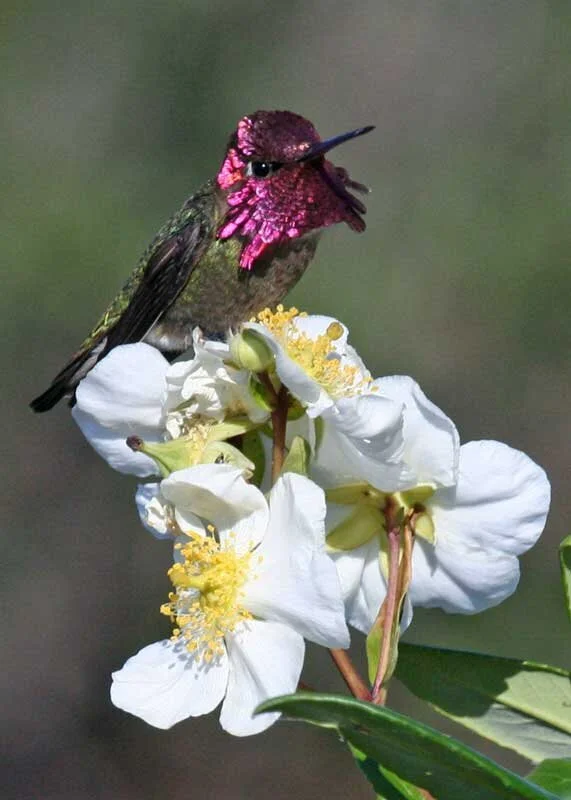
Anna'sHummingbird.jpg

Here is a recording of the Songbirds, Seabirds and More Webinar Series/Session 2- BIRDS AROUND TOWN. Renowned international bird guide, Alvaro Jaramillo, joins the Coastside Land Trust to share about birds we might see around town. To learn more about Alvaro Jaramillo and his tours, research and other work check out: http://alvarosadventures.com

Alvaro was kind enough to write up responses to questions we didn’t have time for in the webinar. Check out his answers to your birding questions here.

Pictured: Anna’s Hummingbird

Join us for our next four sessions:

Register and learn more

These free webinars are made possible by our amazing supporters! Donate to help us continue our work.

donate

Black-Tailed Fawns

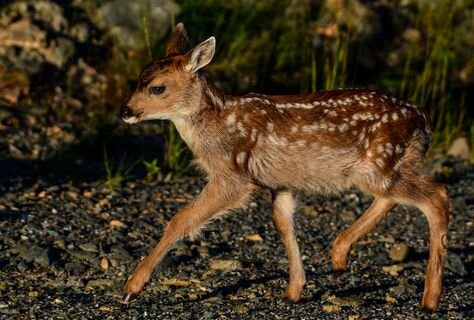
6e56f4c96ac9bbf6e31121eb438c5b1c--deer-black.jpg

**Nature Nugget**

For those of us fortunate enough to live on the coast, we are surrounded by a wealth of animals. And during the spring, if we are really lucky, we might even get to spot one of these adorable little fawns beside a local trail or feeding along tree-lined edges, where they can quickly disappear into the forest if they're threatened. 

The dominant deer population of the peninsula is the black-tailed deer, currently recognized as a subspecies of the mule deer. Adult black-tailed deer are reddish-brown in summer and brownish-gray during winter. They have large ears that move independently of each other, and a broad triangular tail with a dark brown or black top and a white underside.

Black-tailed fawns are born from late spring to mid-summer and are spotted at birth, but lose their spots within a few months. They are born weighing around 6 to 8 pounds, and have no scent for the first week or so. This enables the mother to leave the fawn hidden while in search of food to replenish her own body after giving birth and to produce enough milk to feed her young. Fawns are weaned in the fall after about 60-75 days, but continue to stay with their mothers during the first year. Males begin growing their antlers at approximately 6 to 8 months old. These become full-size antlers in four to five years. Male deer leave the family group when they reach maturity, at about 18 months old. Females reach sexual maturity at about two years old. 

Bucks do not participate in raising the fawns. Instead they generally travel together in all-male groups for the summer. Does and their fawns form small family groups, led by the oldest mother.

The Elusive Long Tailed Weasel

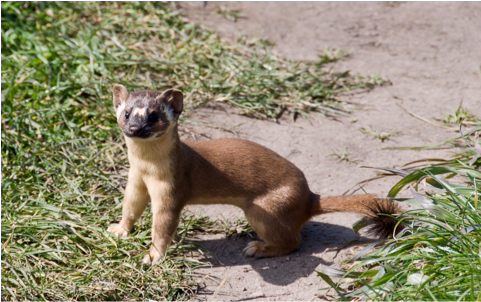
280-2805114_long-tailed-weasel-zhao-have-a-heart.png

**Nature Nugget**

They are beautiful creatures, with long slim bodies, short legs and ears, white marks on their foreheads, chins and paws, and a distinctive black tipped tail. If you are lucky enough to spot one of these elusive animals, you will likely find these characteristics quite cute. But do not let them fool you. These weasels are cunning and ferocious predators, with a well-developed sense of smell, hearing and sight, which may attack animals far larger than themselves. They are good climbers, can swim, and have exceptionally flexible backs that allow them to access the burrows of rodents much smaller than they are. Needless to say, these little guys are not to be messed with.

Long-tailed weasels are carnivores, most active at night, with a very high metabolic rate that requires them to eat approximately 40% of their body weight every day. Most of their diet is made up of small mammals such as mice, voles, gophers, rabbits, and chipmunks, with occasional birds, reptiles, amphibians and insects. They are solitary animals, except during mating season, and generally live in the abandoned burrows of other mammals, or make their dens under stumps or rock piles. Though not commonly seen, they live in a wide variety of habitats, including wetlands, woodlands, thickets, prairies and farmland. When threatened or marking their territory, the long-tailed weasels produce a strong, musky odor that they rub onto surfaces in order to leave the scent to discourage predators.

What is unique about the long-tailed weasels is that they mate in the summer, and the gestation period lasts approximately 10 months, with actual embryonic development taking place only during the last four weeks of this period. This allows for the weasels to mate but continue to hunt successfully for many months, while timing their births for spring, when their food sources are abundant. 

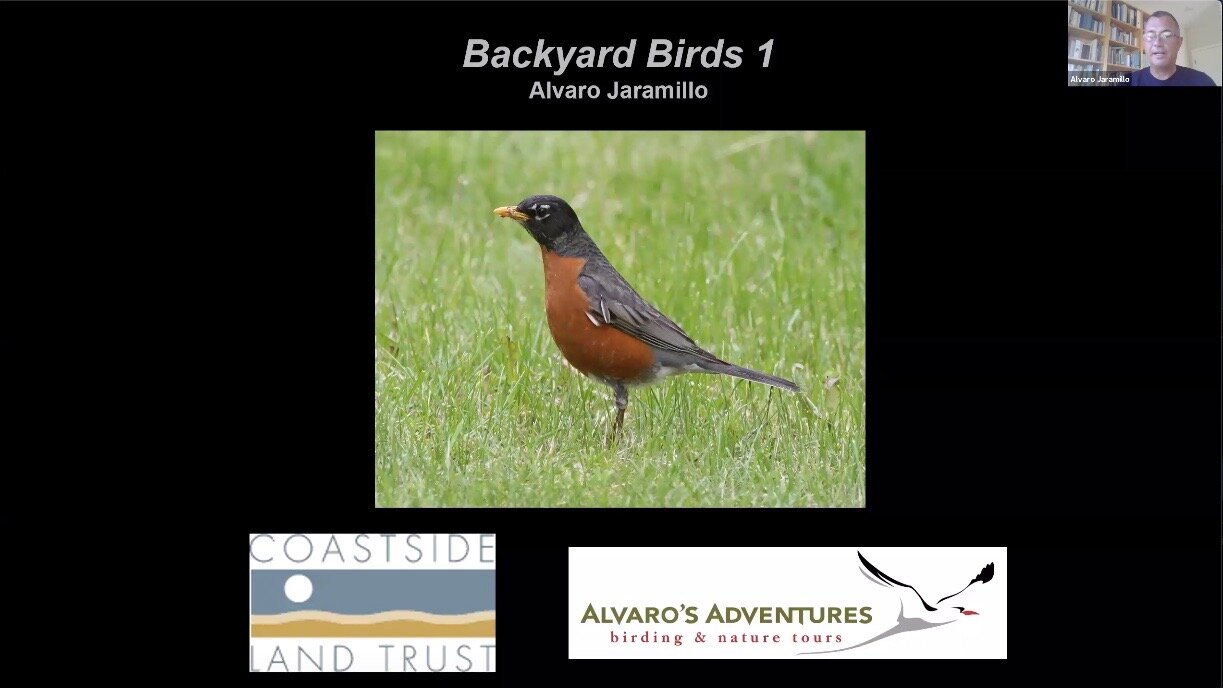
Songbirds, Seabirds and More - Webinar Series/Session 1- BACKYARD BIRDS By: Alvaro Jaramillo


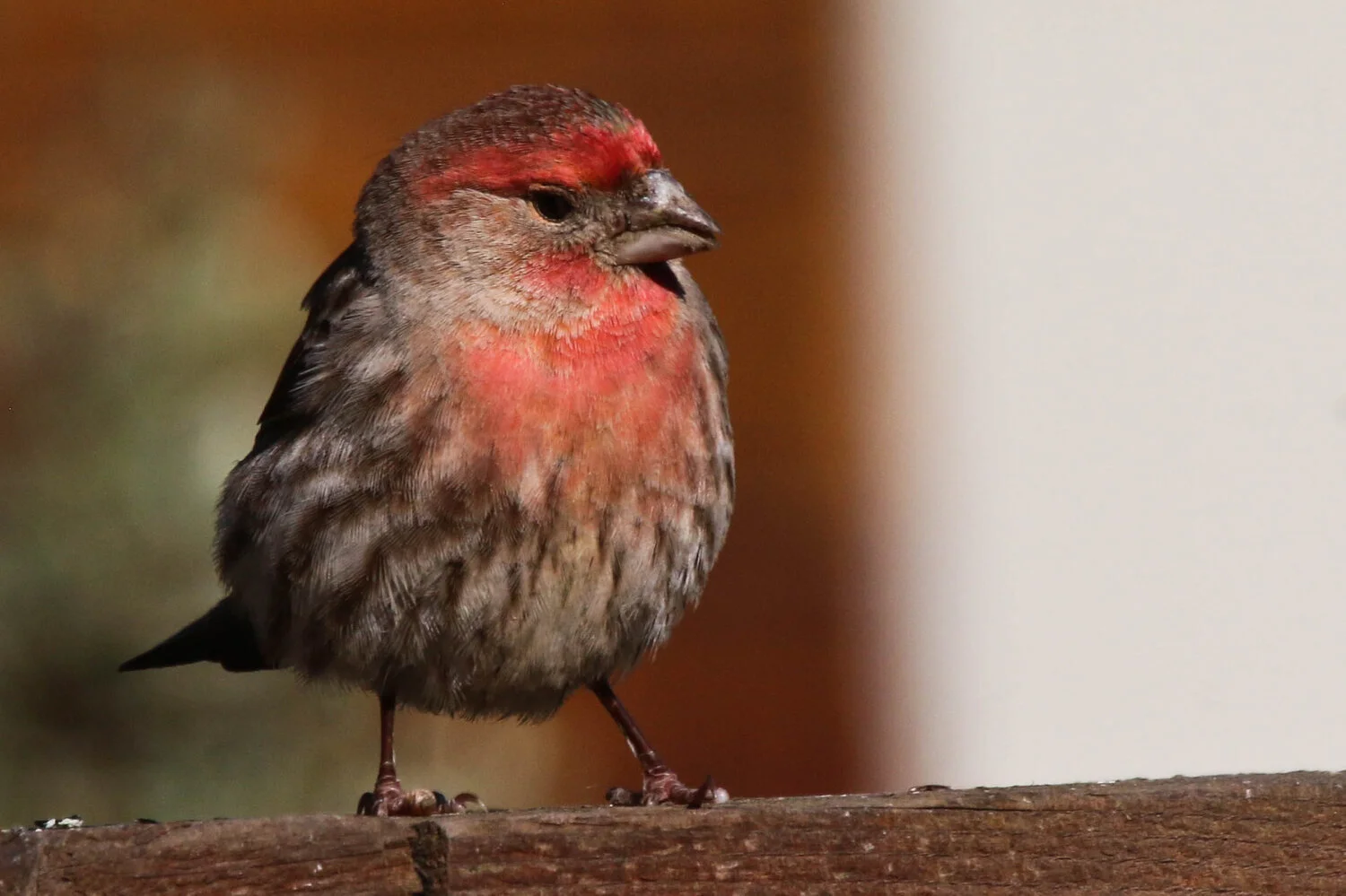
House finch

House finch

Here is a recording of the Songbirds, Seabirds and More Webinar Series/Session 1- BACKYARD BIRDS. Renowned international bird guide, Alvaro Jaramillo, joins the Coastside Land Trust to share about local backyard birds. To learn more about Alvaro Jaramillo and his tours, research and other work check out: http://alvarosadventures.com

Alvaro was kind enough to write up responses to questions we didn’t have time for in the webinar. Check out his answers to your birding questions here.

Join us for our next 5 sessions…

Register and Learn more

These free webinars are made possible by our amazing supporters! Donate to help us continue our work.

Donate

Virtual Workshop Series

Pictured: White Tailed Kite

Pictured: White Tailed Kite

Join the Coastside Land Trust every Saturday morning from June 13- July 18, when renowned bird expert and guide, Alvaro Jaramillo, will be presenting a unique bird topic in our series, Songbirds, Seabirds and More.  These 30 minute webinars are free, and are sure to be educational and engaging for adults and children of all ages!  Webinar recordings will be posted to our YouTube channel.

To Register and find out more go to:

http://www.coastsidelandtrust.org/webinars

A Coastsider's guide to whale watching

Unknown.jpeg

**Nature Nugget**

Many coastsiders enjoy watching the whales that pass along our coastside. Although many locals have become adept at anticipating the rhythm of these journeys, this is a handy guide to help coastsiders keep track of our local whale activity.

A Coastsider’s Guide to Whale Migration:

Gray Whale (March - May) Gray whales are northbound from Mexico to their Arctic summer feeding grounds. Mothers with calves and aunties travel last, staying closer to the shore and moving slowly, making this one of the best times to see them. Mothers and aunties keep the calves close to the shoreline in shallow water, where killer whales can’t feed on them.

Humpback Whale (May-November)  Typically they can be seen in greater numbers from June/July on into the fall. In recent years, Humpback whales have been seen more frequently in our area. It is believed that some of the Humpback whales are making this area a semi-permanent home.

Blue Whale (June - October) Blue whales are the largest living animals on Earth, and often feed on krill close to the surface, which allows much of their gigantic body to be seen. They, however, tend to feed further out in the ocean, and are less likely to be seen from shore. 

Gray Whale (December - February) Gray whales move southbound from their Arctic feeding grounds to Mexico for the winter where the females will give birth and care for their calves before the long migration back north again.

Please note that these are general guidelines, and may vary in relation to water temperatures, ocean currents, and location and the availability of food.

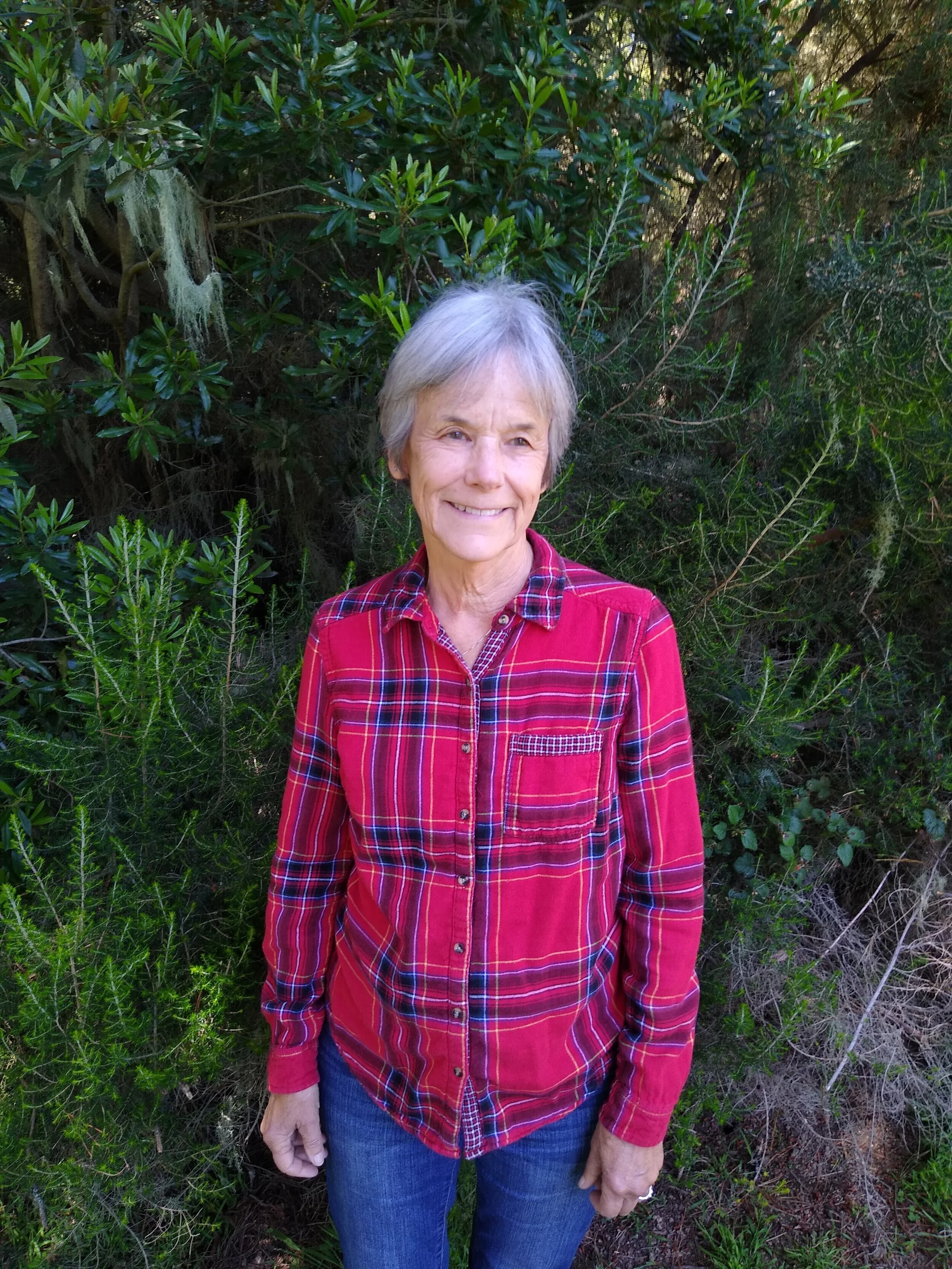
Spotlight on Barbara Lohman- Coastside Land Trust Board President 

IMG_20200525_141751709.jpg

At the beginning of 2020, the Coastside Land Trust welcomed Barbara Lohman as the new President of the Board of Directors. Barbara has served on the CLT board since 2013. She also currently serves as the Stewardship Advisory Committee Chairperson. Barbara has been an integral part in the creation and implementation of the Junior Land Stewards Program (an environmental literacy program that serves students of the Cabrillo Unified School District).

Barbara joined the CLT board shortly before she retired, after more than 30 years as an educator. Barbara taught at Half Moon Bay High School for 24 years, where she began teaching math and later taught Biology and served as the Science Department Chair. All three of her children graduated from Half Moon Bay High School. 

Barbara grew up in Southern California and graduated from Occidental College.  She and her husband, Ric, traveled a lot before moving to Half Moon Bay- living in Arizona, Wisconsin, Brazil, and Illinois. When she moved to Half Moon Bay in 1989 Barbara explains that both she and her husband, Ric, felt at home. 

Barbara knows that the Coastside Land Trust is an integral part of this community- from the protected open space land and the Junior Land Stewards Program to the coastal trail and the workshops and workdays. “The Coastside Land Trust provides a unique service to us all,” explains Barbara. “It is my hope that we can increase all parts of these services and also stay responsive to any new community needs.”   

Barbara Lohman is a tremendous gift to the Coastside Land Trust. She brings with her a passion for the environment, and also a deep commitment to educating and inspiring the younger generation to develop skills and a desire to become life-long stewards of open space. We are all very grateful for the leadership, wisdom, care, and work ethic that Barbara brings to the Coastside Land Trust and to the community.

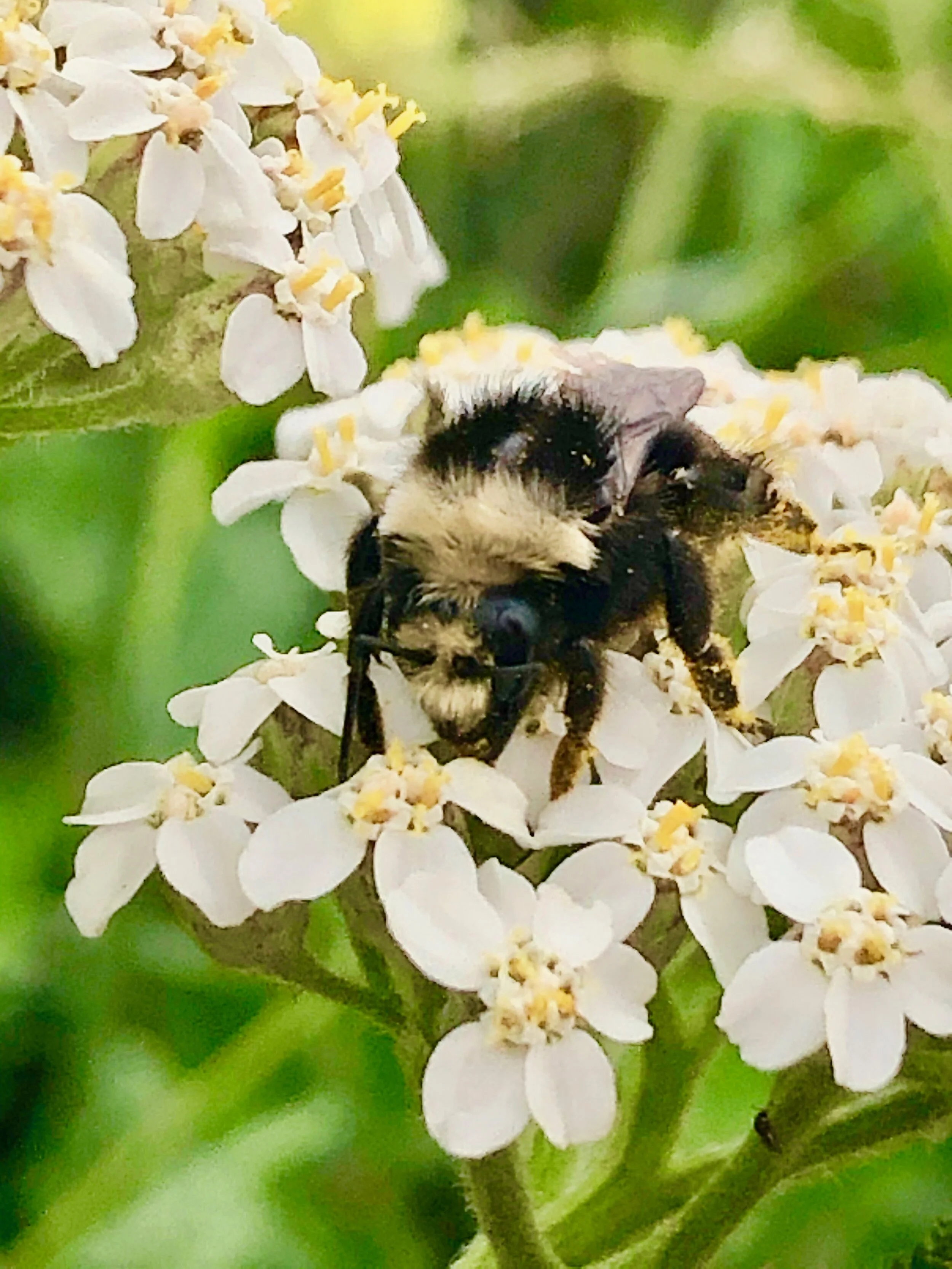
How Bees See

IMG_1097.jpeg

**Nature Nugget**

It has been expressed in a metaphorical sense that “we all see the world through different lenses.” In the animal world this is true in a very literal way, with animals using their senses with varying levels of sophistication to succeed in the environment in which they live. This time of year it is particularly interesting to think of the sense of sight as it relates to the bee.

With approximately 150 species of native bees in the Bay Area, plants all around us have evolved extravagant flowers full of nectar and pollen to entice these bees and other pollinators in order to maximize pollination. Vision is critical to bees, because they feed on that nectar and pollen—and that means they have to find these flowers. And, although bees do use odor cues at close range, it is their remarkable eyesight that is most astounding and advantageous.

Like us, bees are trichromatic, which means they have three photoreceptors within the eye, and they base their colors on combinations of these three colors. Humans base their color on combinations of red, blue and green light, while bees base their colors on blue, green and ultraviolet light. Bees can’t see the color red, although they can see reddish wavelengths, such as yellow and orange. They can, however, see in the ultraviolet spectrum, which humans cannot. This ability to see ultraviolet light reveals "landing strips" on many plants which are invisible to the human eye, but act to guide bees to the part of the plant containing nectar and pollen.

Bees have an exceptional “flicker” threshold, in which they can see individual flowers while traveling at high speeds. This is why honey bees easily pollinate moving flowers. Flying helps bees see better, in depth and three dimensions. Bees also can judge distance well, using the objects they fly by to create their own mental maps, which they later can share and communicate with their hive through a sophisticated “waggle dance.”