
A little of the learning behind the birds spotted at Wavecrest
In our recent post, we shared highlights from Cunha seventh graders' first Wingwatchers field trips to Wavecrest Open Space, where students recorded nearly 140 birds across about 30 species. But before heading out with binoculars, students spent October learning how to look at, listen to, and better understand the birds around them.
Their classroom explorations covered everything from remarkable bird adaptations to the art of careful observation.
Beaks, Behaviors, and a Bird of the Month
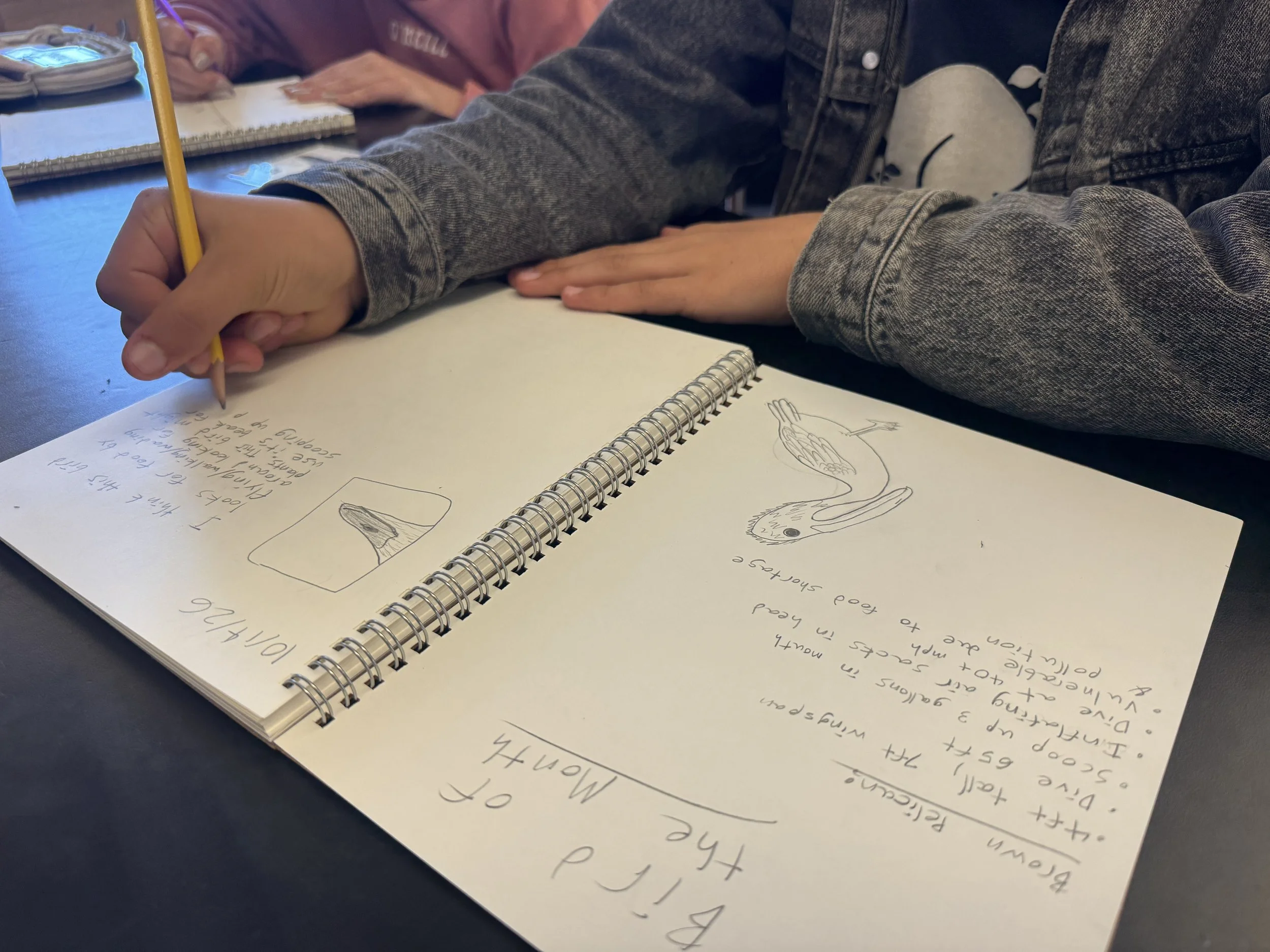
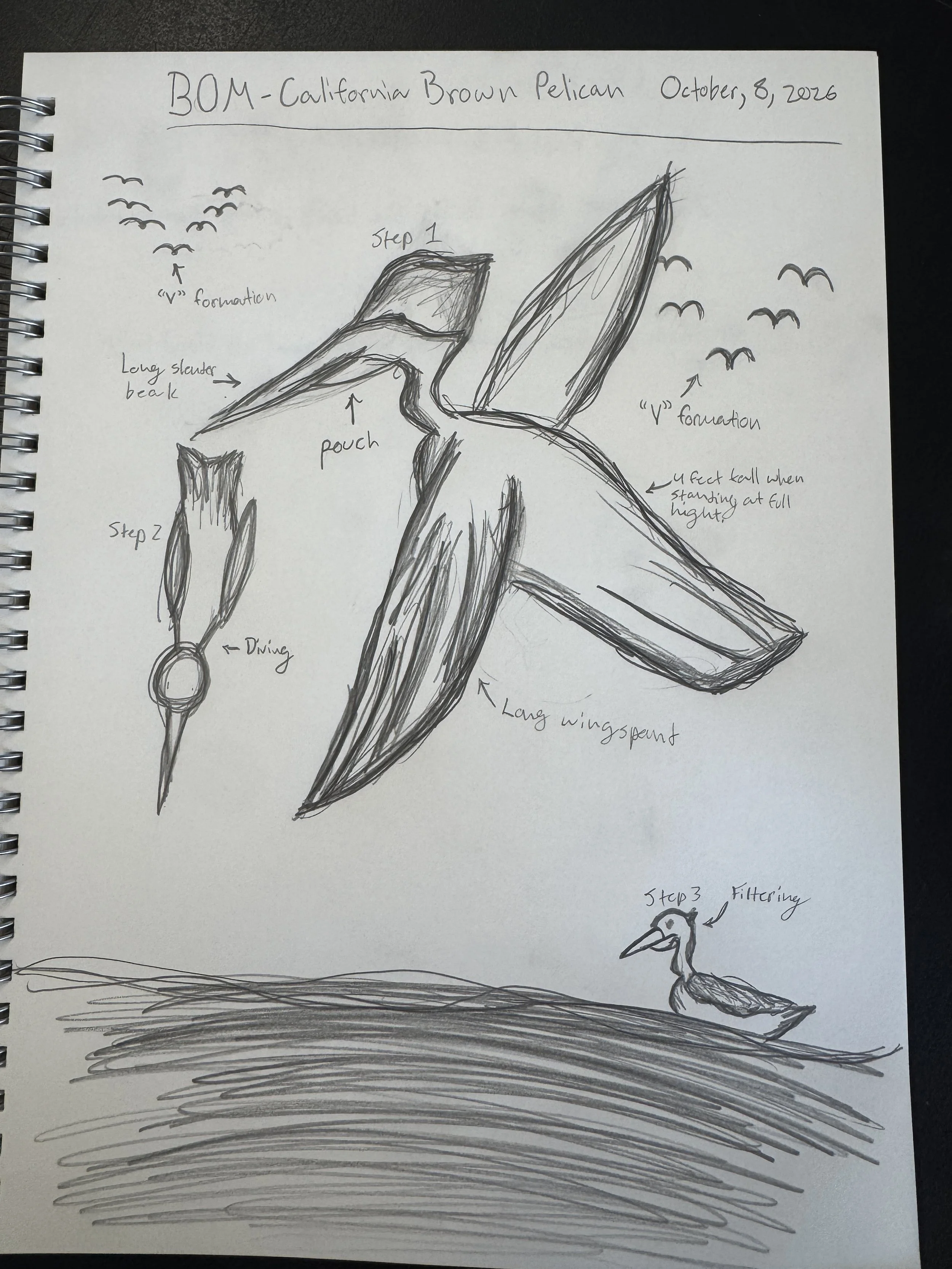
October's featured bird was the California Brown Pelican. Students learned how these familiar coastal birds plunge into the ocean from heights of up to 65 feet, using specialized air sacs in their head and neck to help cushion the impact.
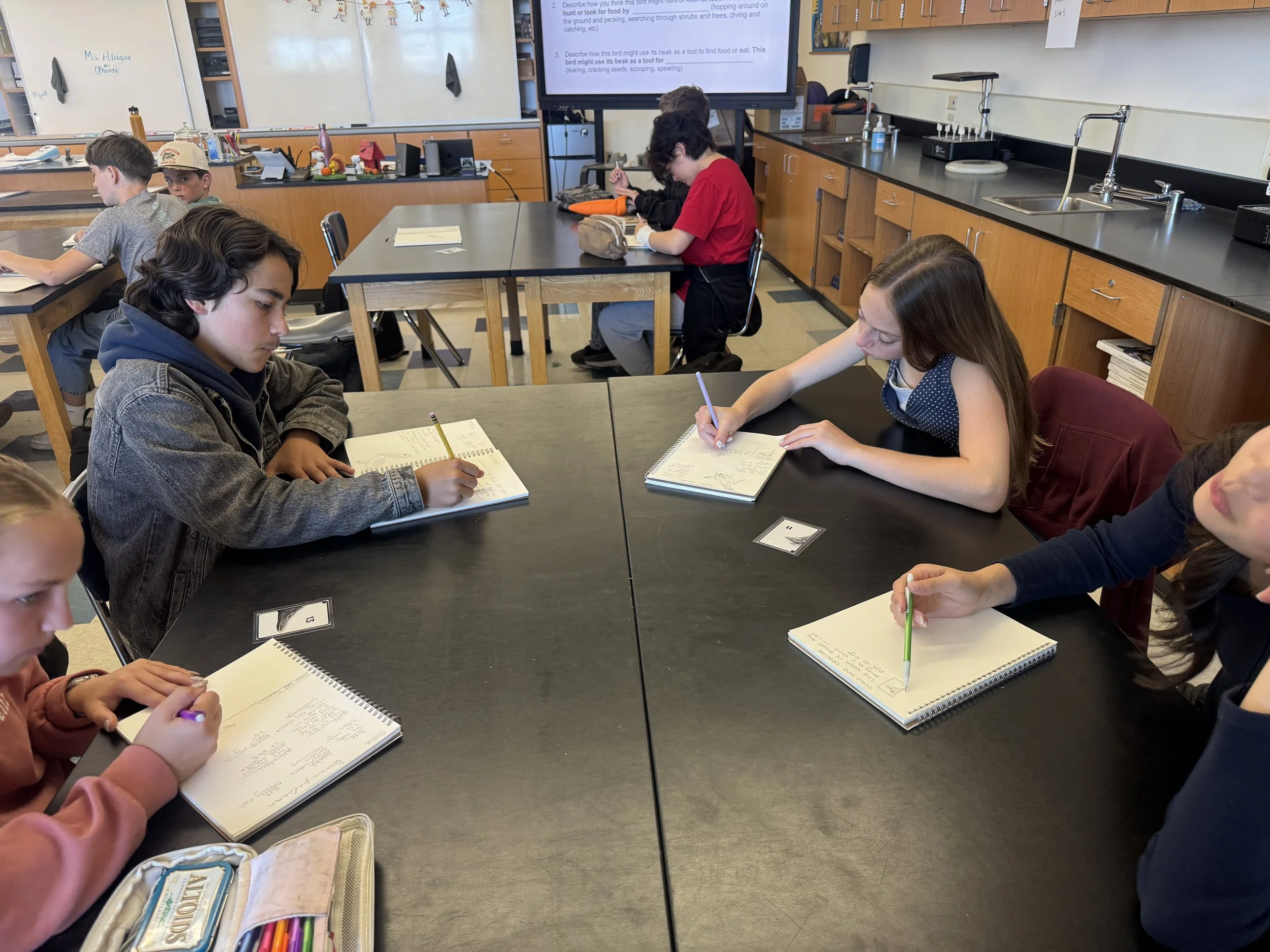
They also explored how beaks are shaped for different jobs: a pelican's pouch for scooping fish, a heron's pointed bill for catching prey, and a sparrow's sturdy beak for cracking seeds.
Then it was time to practice being field biologists. Each student selected a bird on campus and recorded its behavior minute by minute for five minutes, noting activities like feeding, preening, calling, and moving through its surroundings.
Learning to Listen
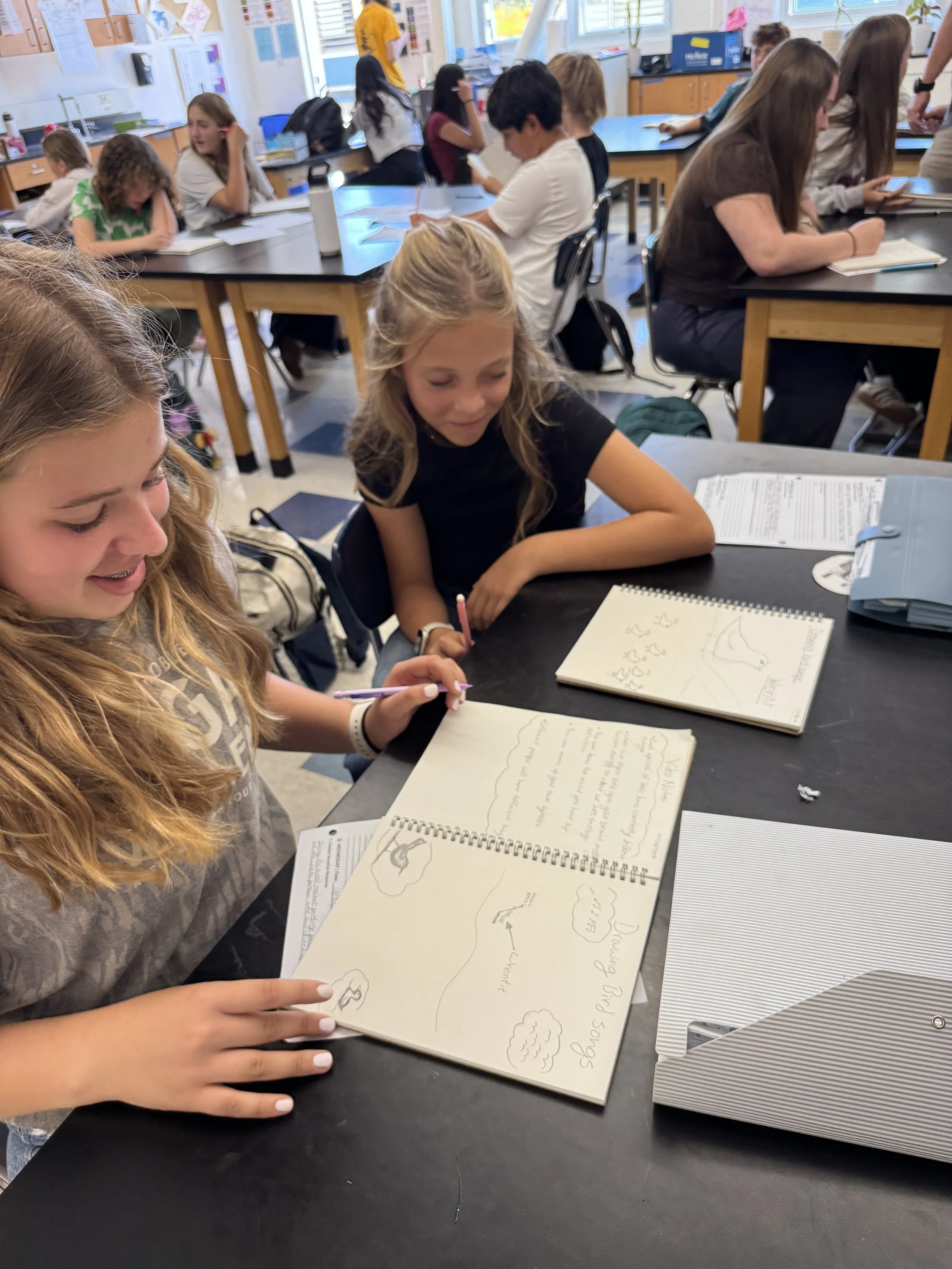
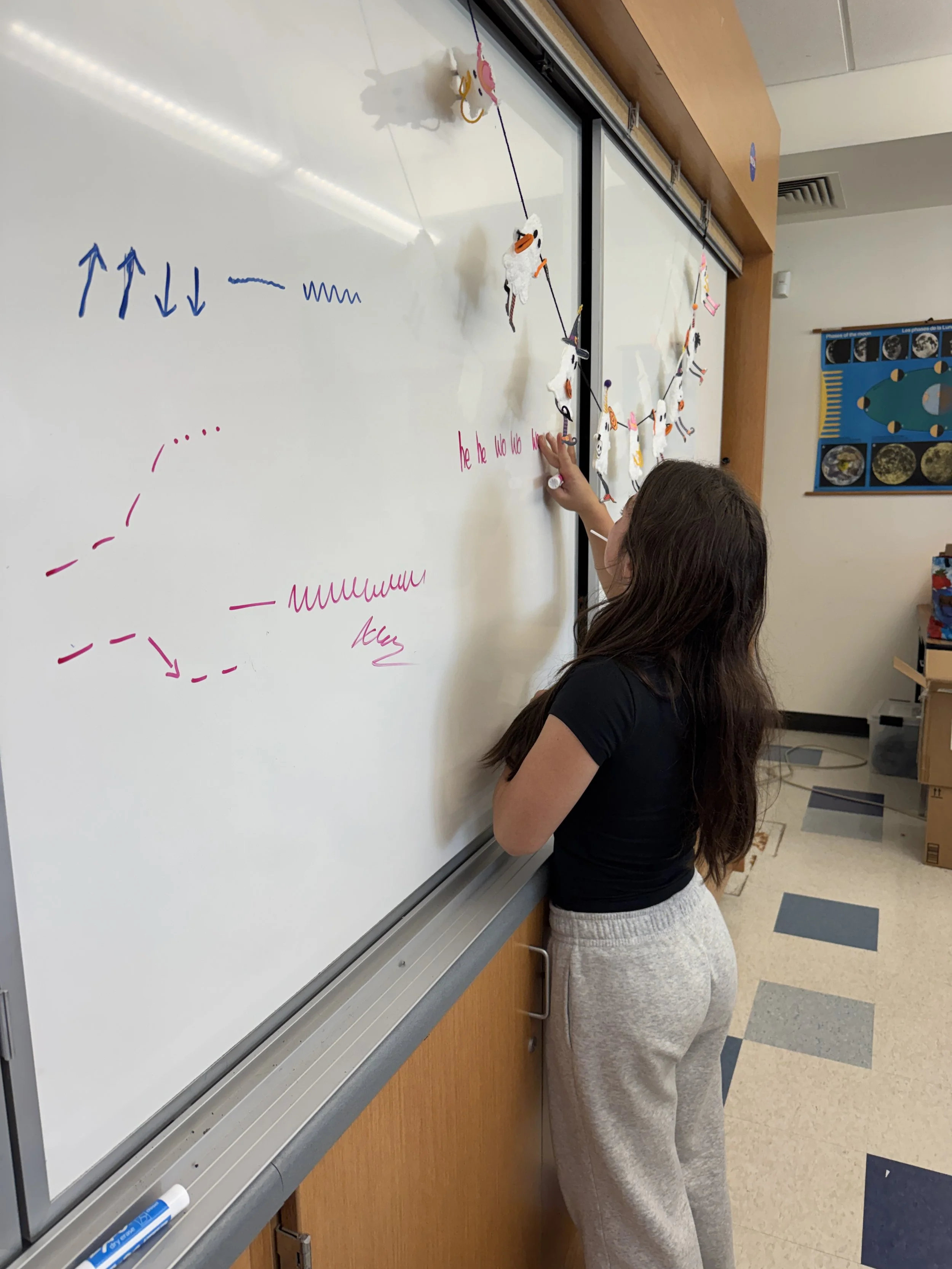
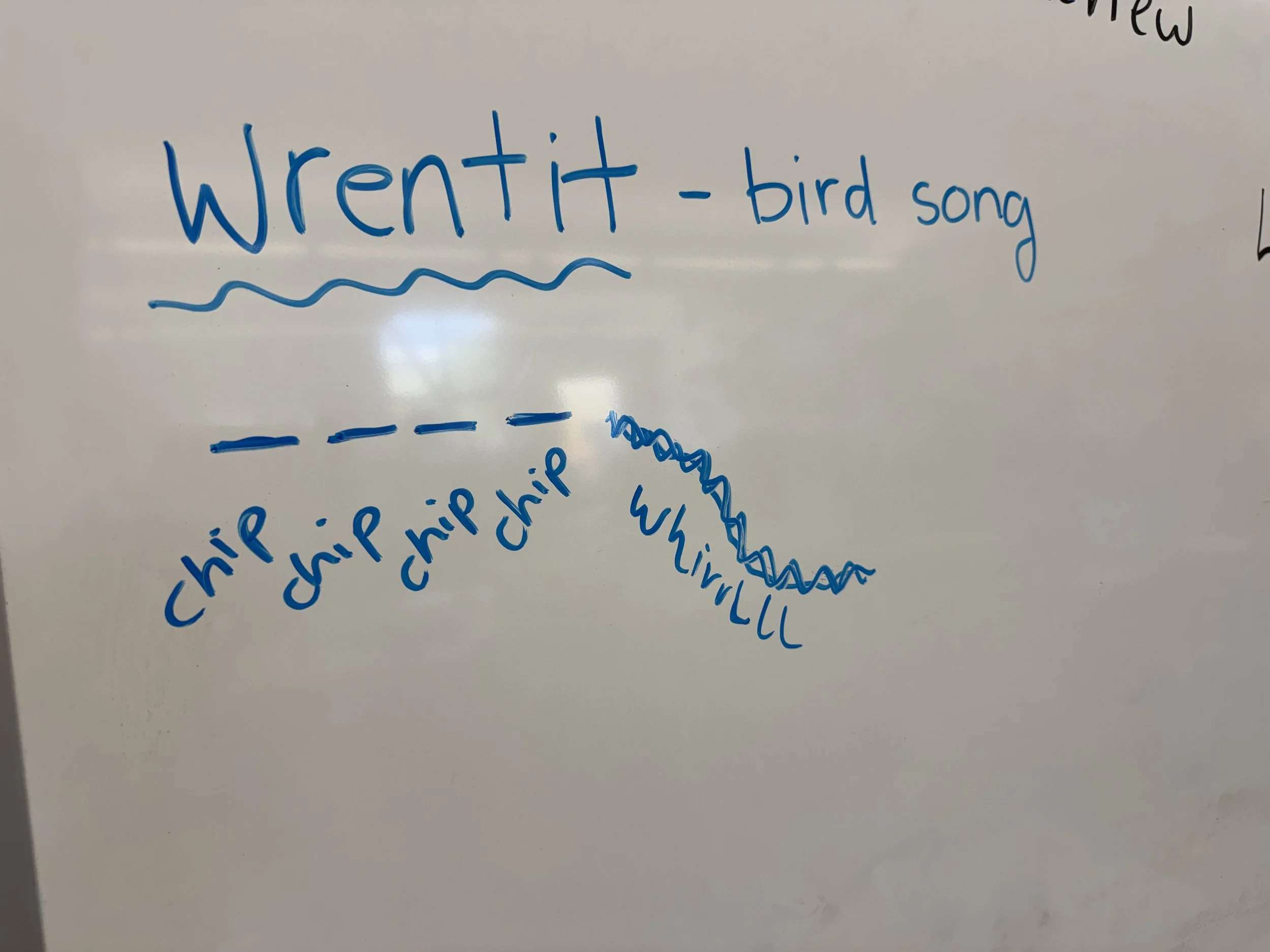
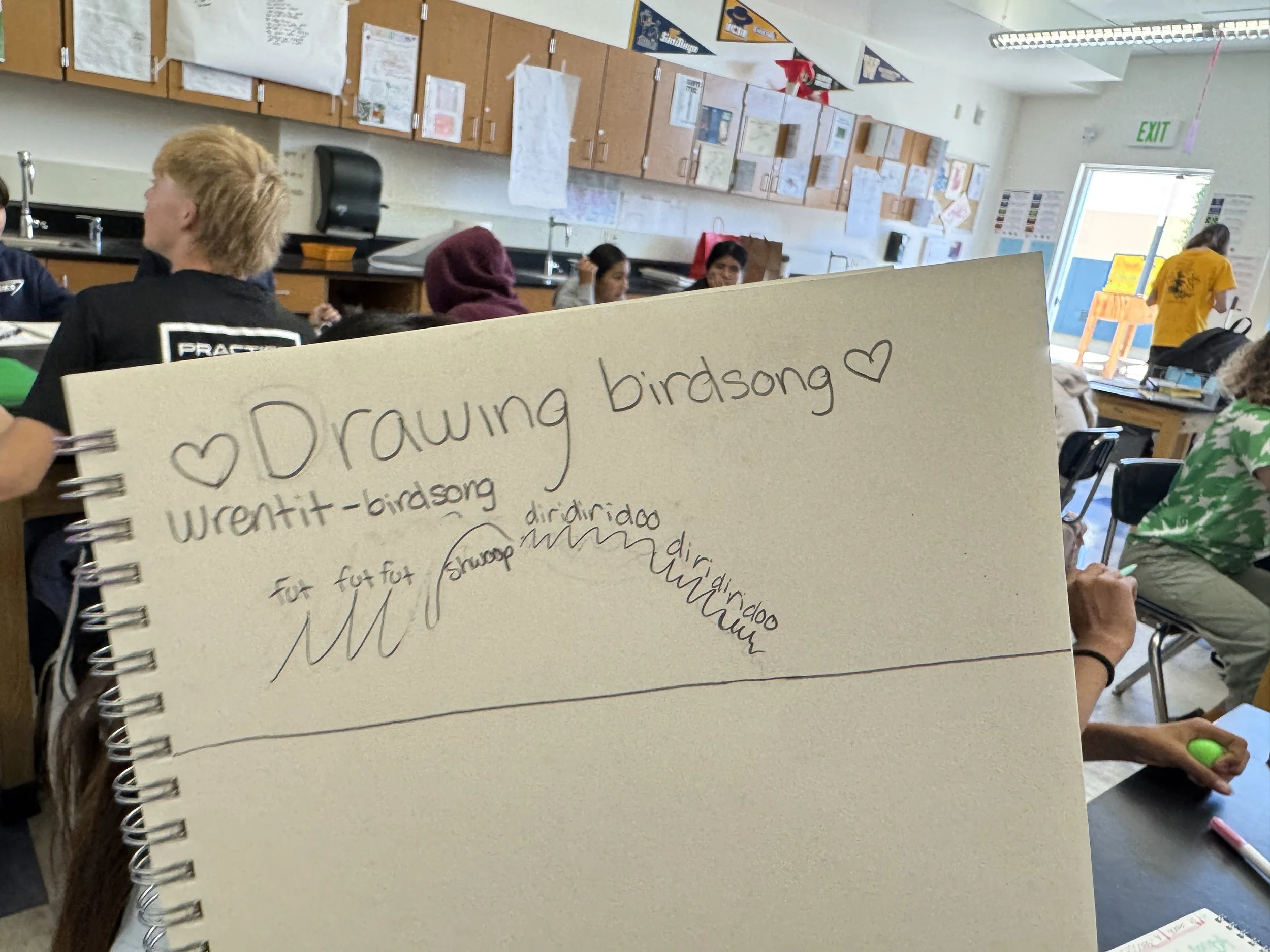
Birding isn't just about what you see. Students also practiced listening closely to the calls and songs of four local species: Song Sparrow, California Quail, Wrentit, and Red-tailed Hawk. They even tried transcribing birdsong onto paper, turning sounds into visual patterns.
One surprising discovery? That dramatic eagle scream heard in movies is actually the call of a Red-tailed Hawk. Hollywood has been fooling us for years!
Students also found creative ways to remember bird calls, connecting them to familiar rhythms and sounds — including the Wrentit's bouncing, ping-pong-ball-like song.
Putting It All Together
All this practice came together during the students' recent visits to Wavecrest. Identifying birds, listening for calls, noticing behavior, and recording observations became more than classroom exercises. They were real tools for exploring the landscape and contributing to community science.
It's rewarding to see young naturalists begin to recognize just how much is happening around them when they slow down and pay attention.
The more closely we look and listen, the more there is to discover.
Wingwatchers is part of Coastside Land Trust's community education work, connecting young people to the natural world through curiosity, observation, and hands-on learning.
This program is made possible by the Granada Community Services District, the Maxwell Hanrahan Foundation, Coastside Gives, and Cabrillo Unified School District. We’re so grateful for their support.
Help us keep kids outside, learning from this land and caring for it. Your gift supports hands-on days like these for the next generation of land stewards.