skip navigation

October 1 Wavecrest Trail Extension Update

WEEK 9:
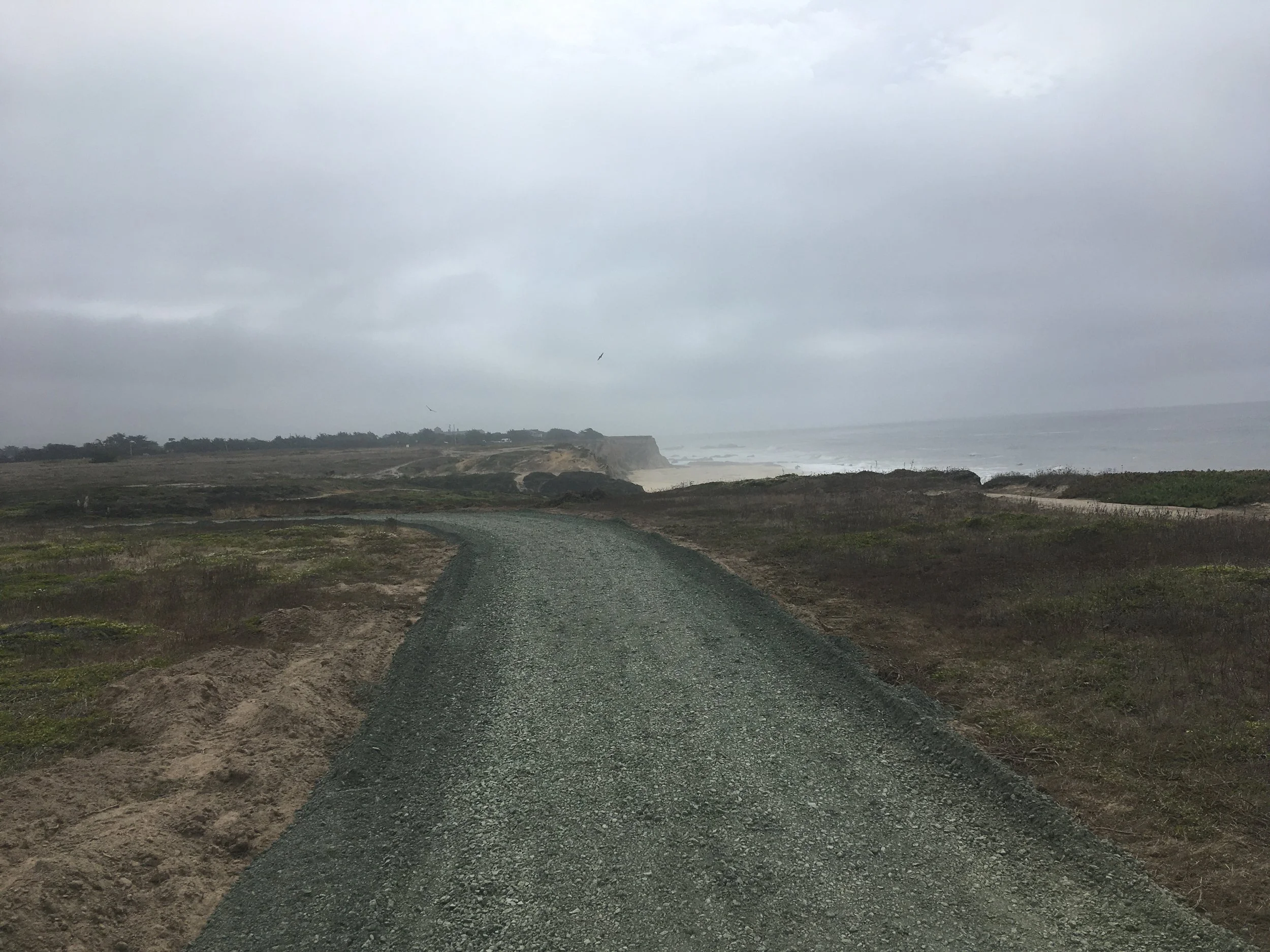
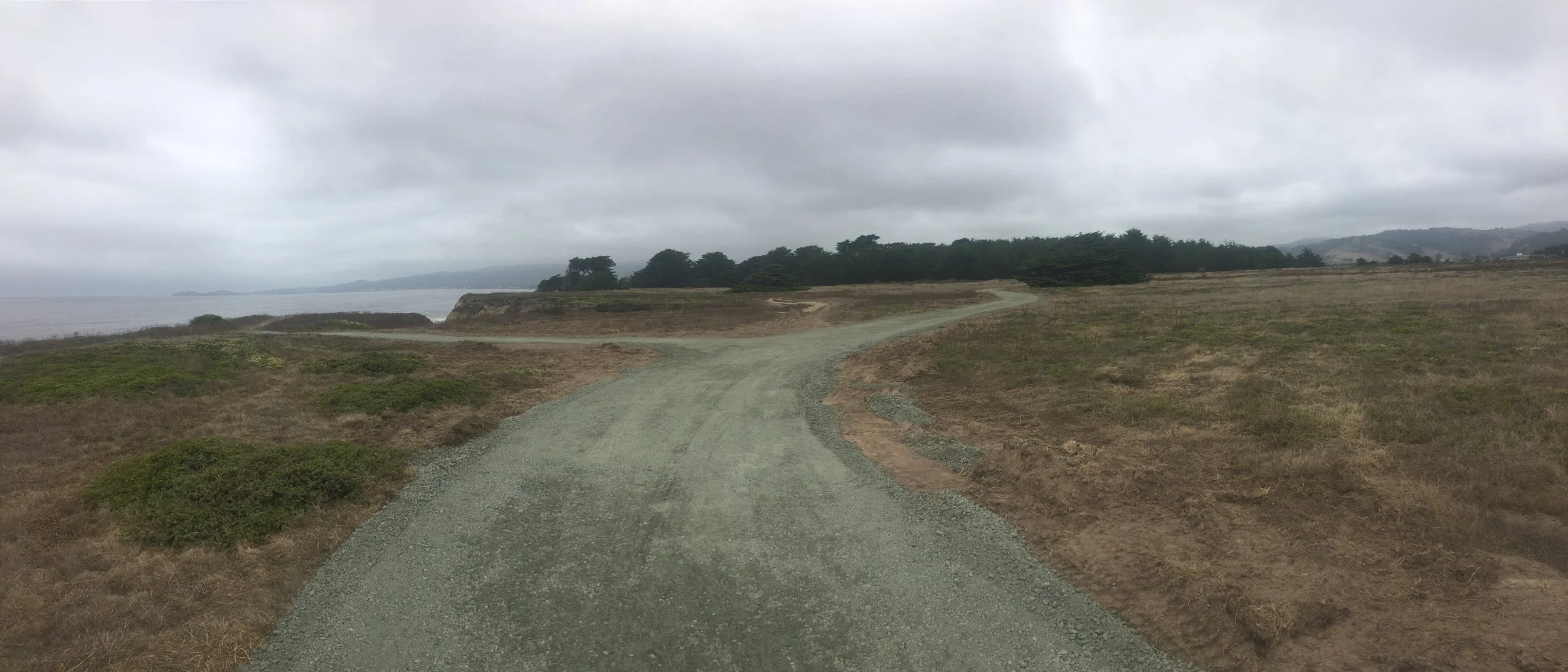
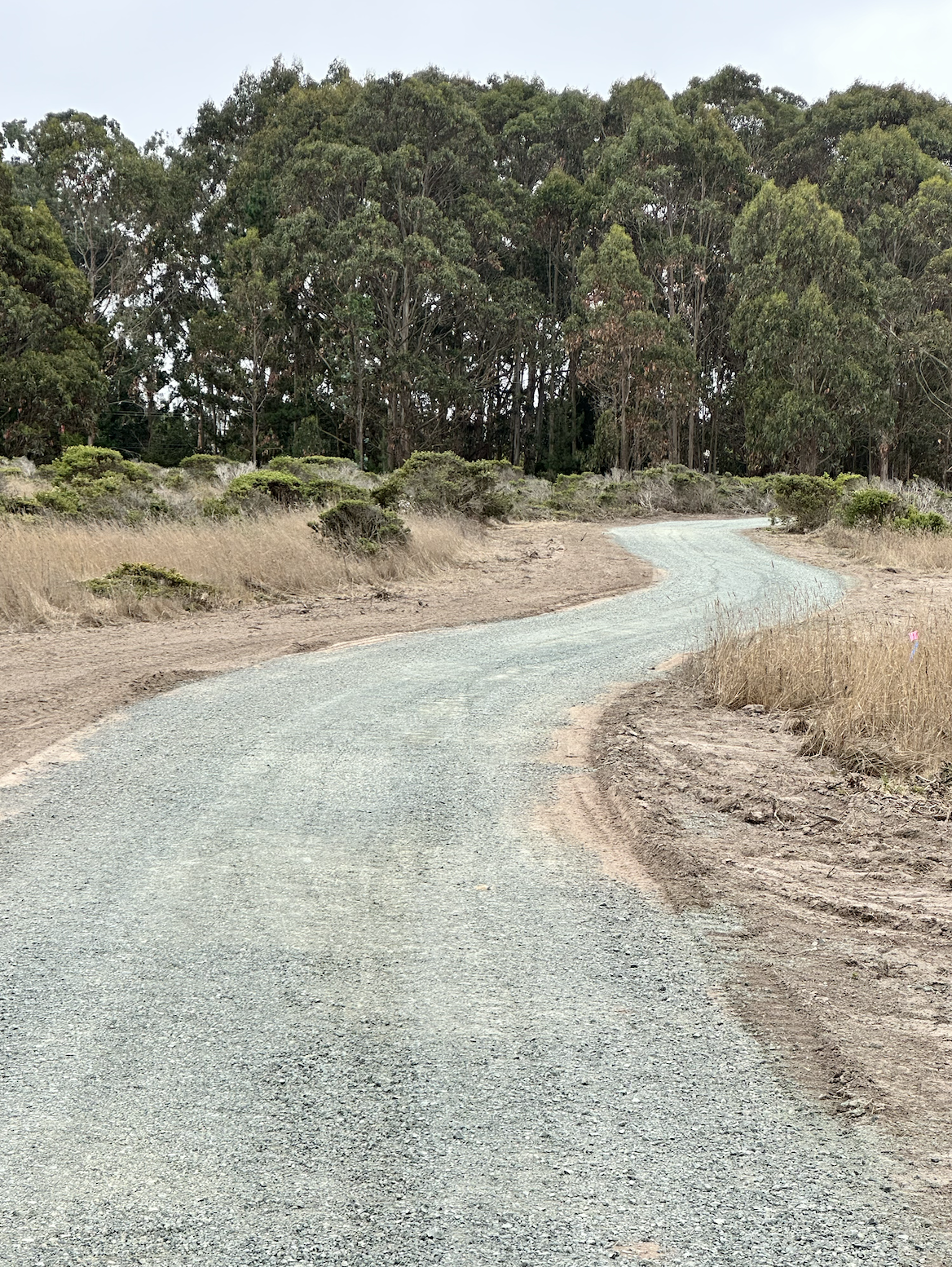
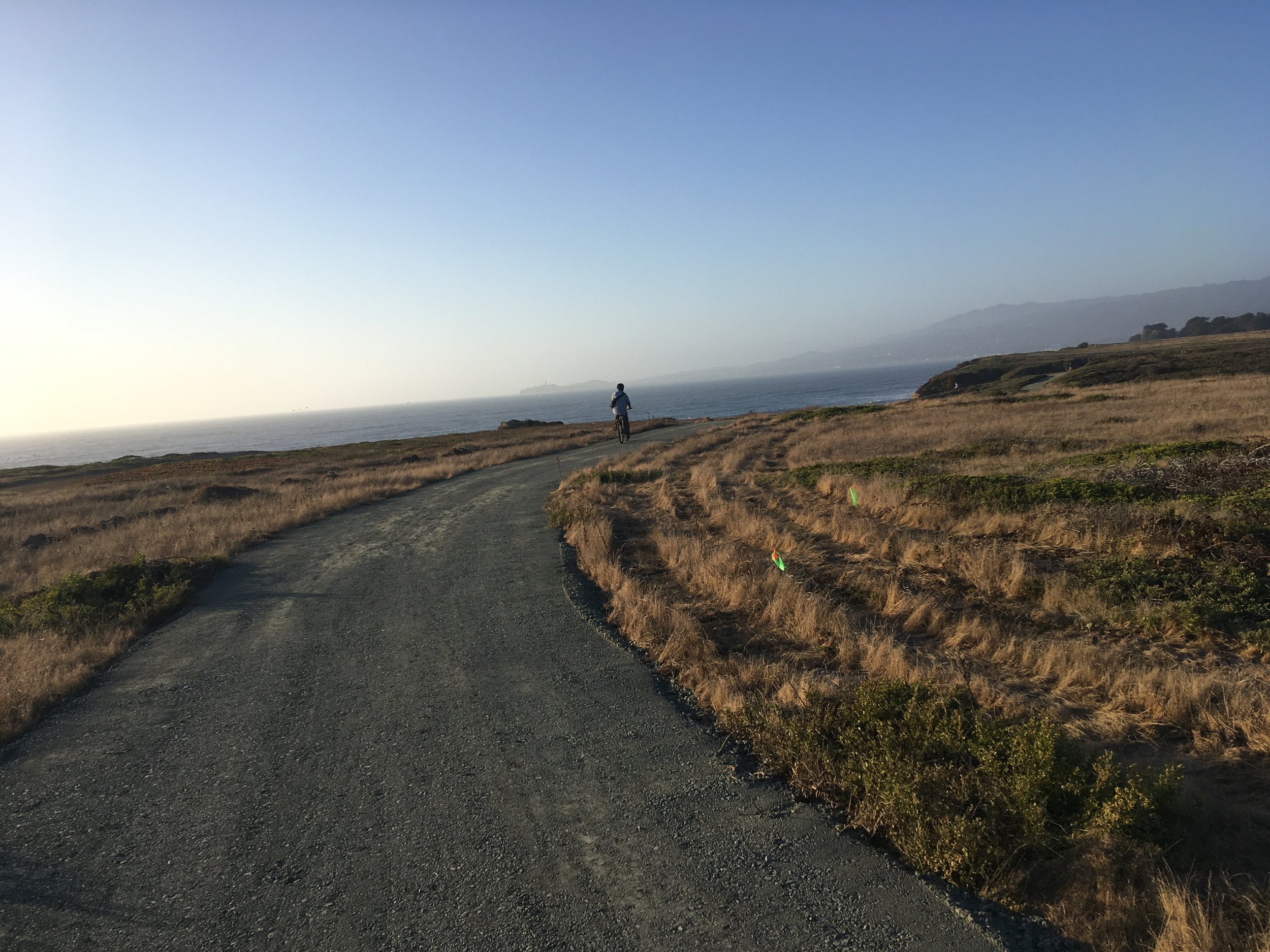
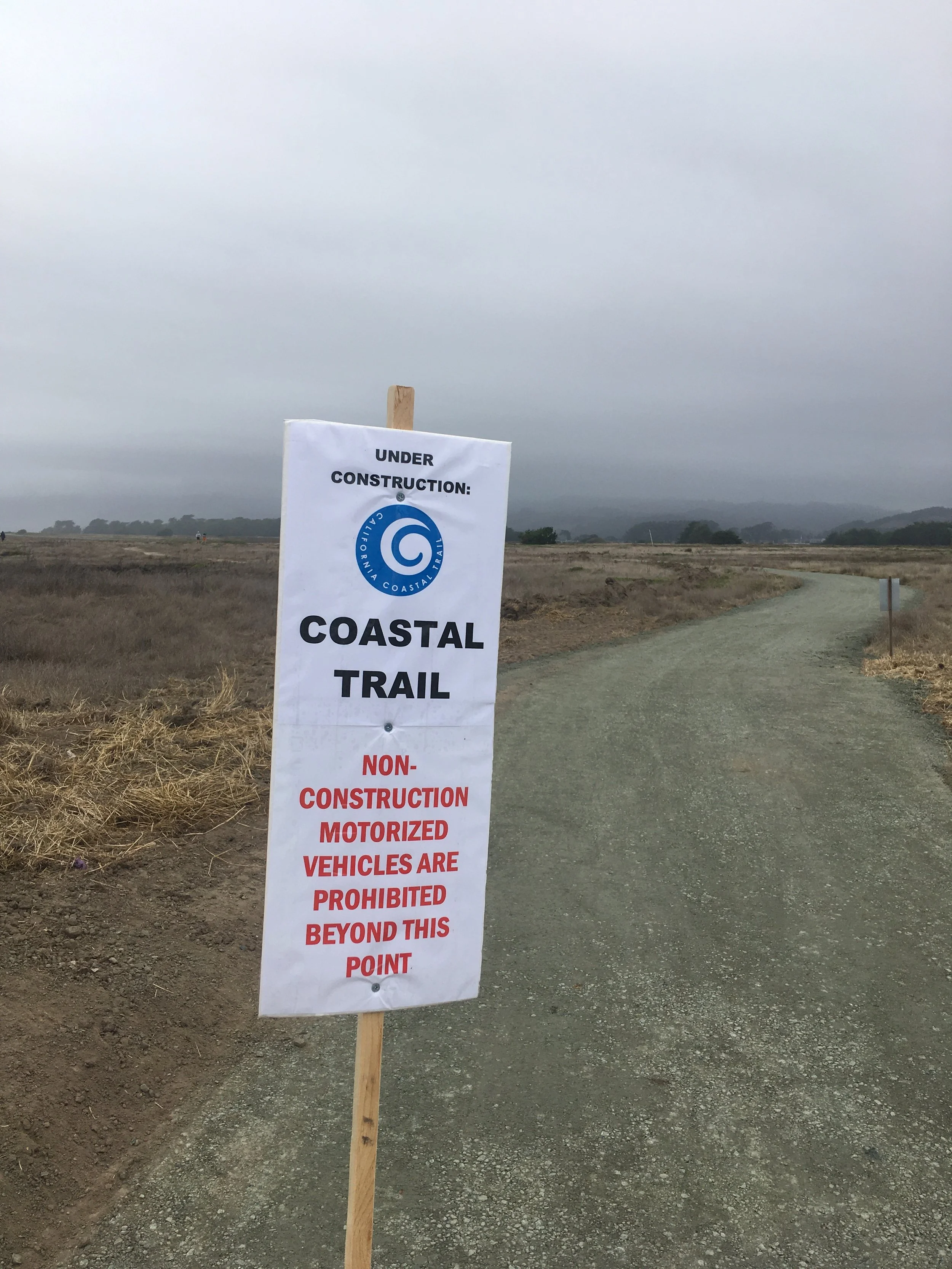
It’s official—the Coastal Trail is now fully connected through the Wavecrest Open Space! This is a milestone worth celebrating, and we’re so grateful to everyone who has been supporting and encouraging this project along the way. Out on the trail, people are already enjoying this new connection—hiking, biking, and walking their dogs along the fresh stretch of Coastal Trail.
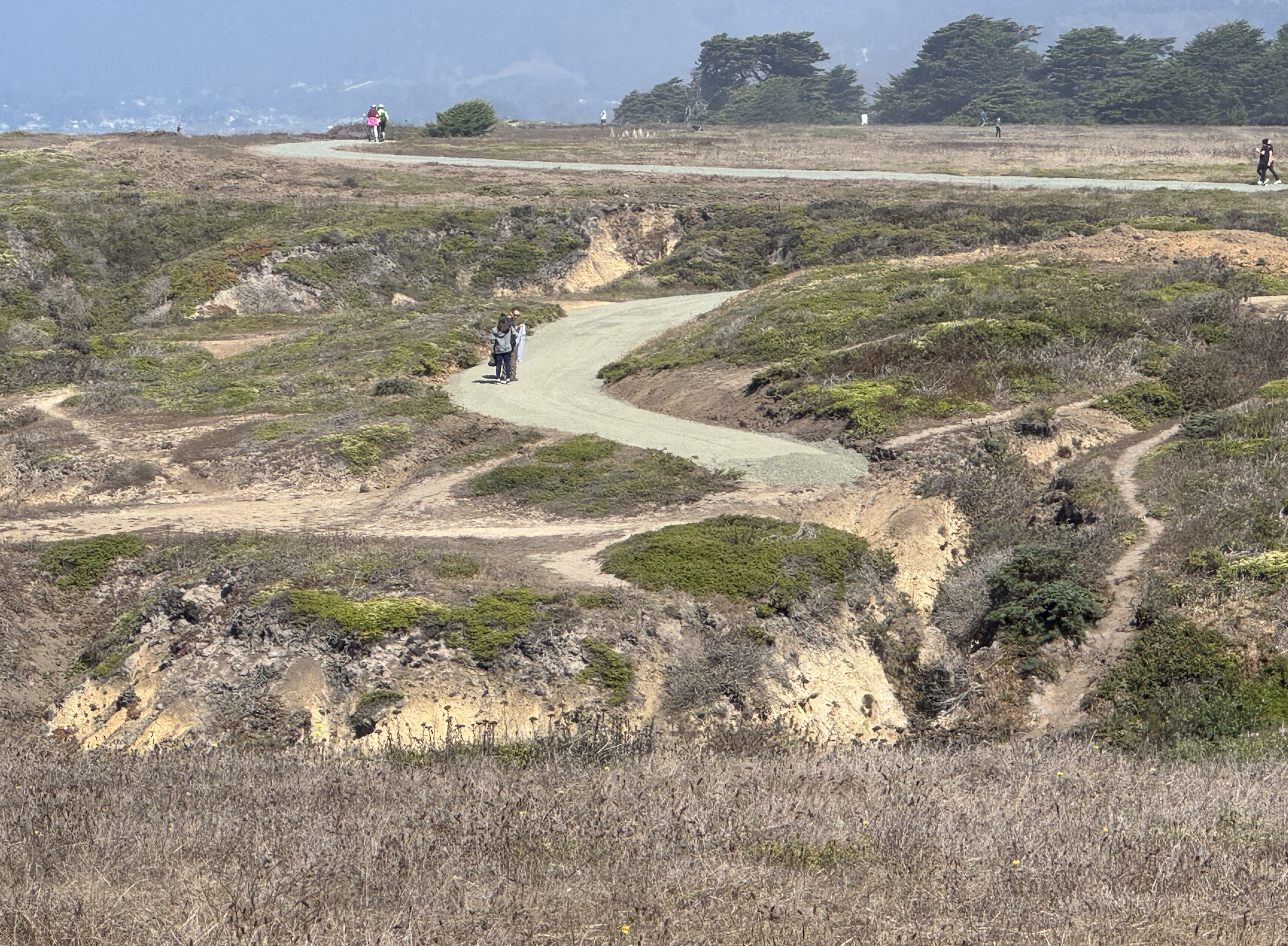
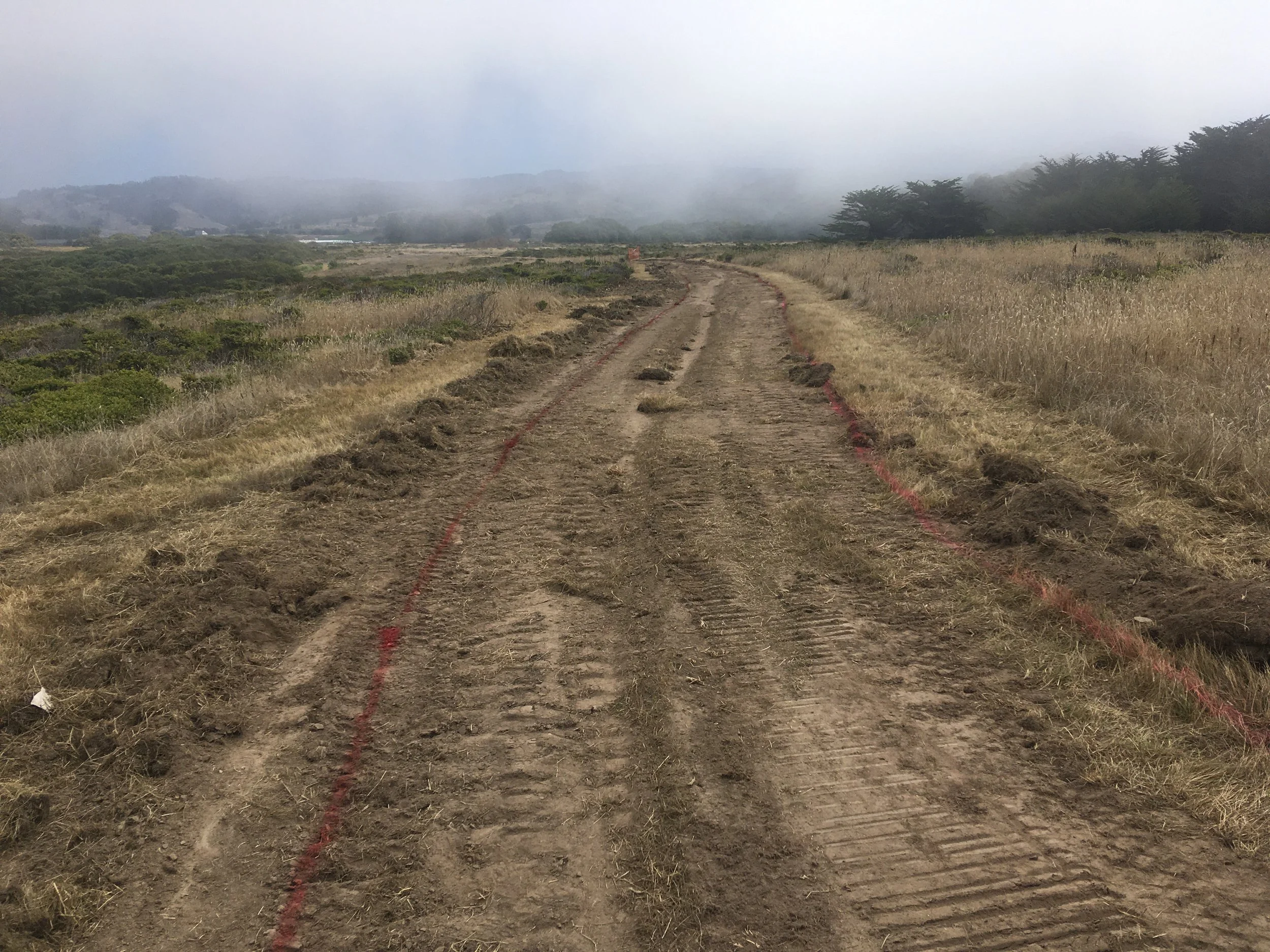
In addition to this exciting achievement, the crew also carried out extensive restoration work on compacted casual trails and finished gravelling the existing road between the Smith Field Ballpark and the ravine crossing. Each of these steps helps ensure the trail is not only connected, but also resilient and ready to serve the community for years to come.
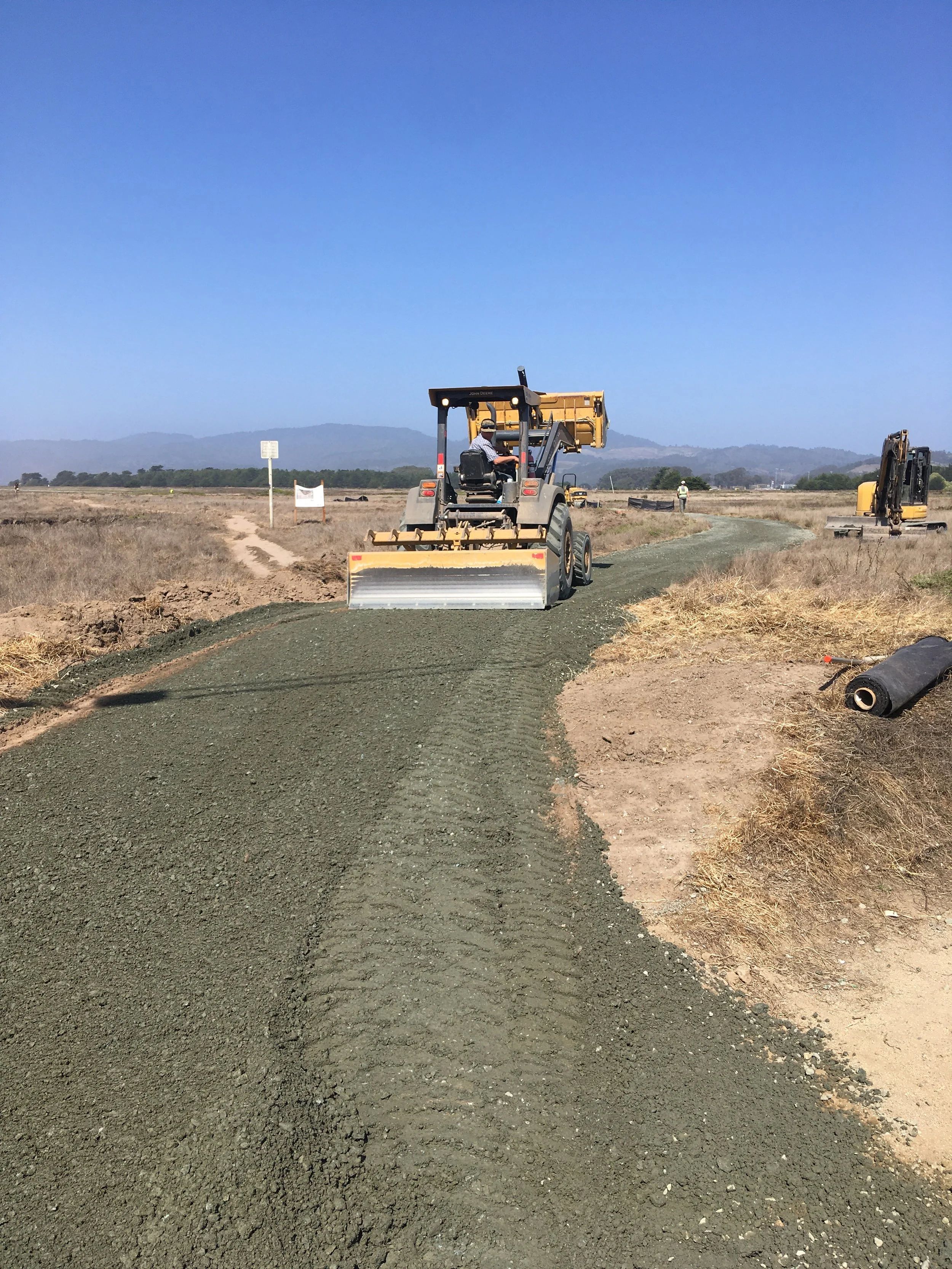
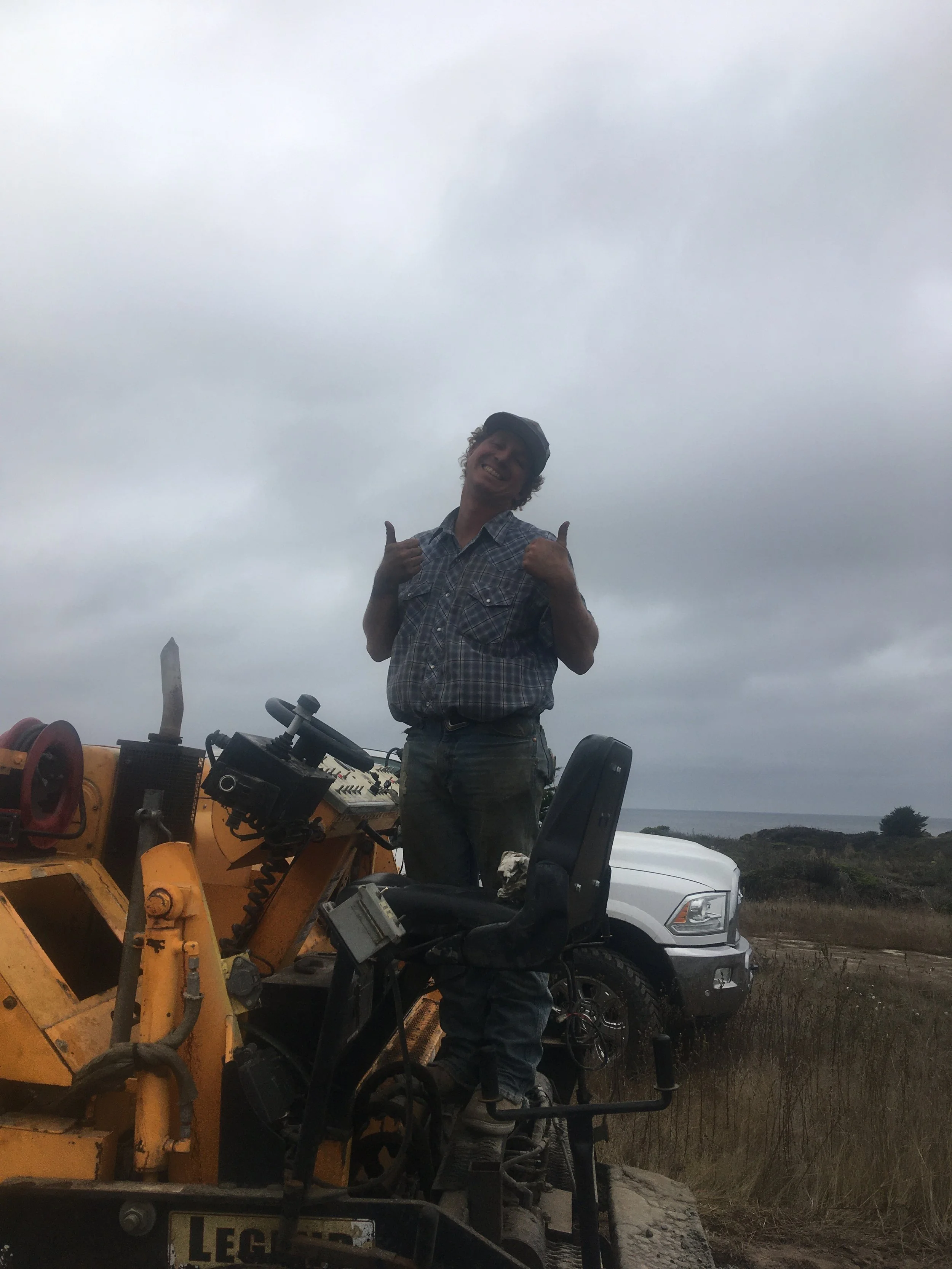
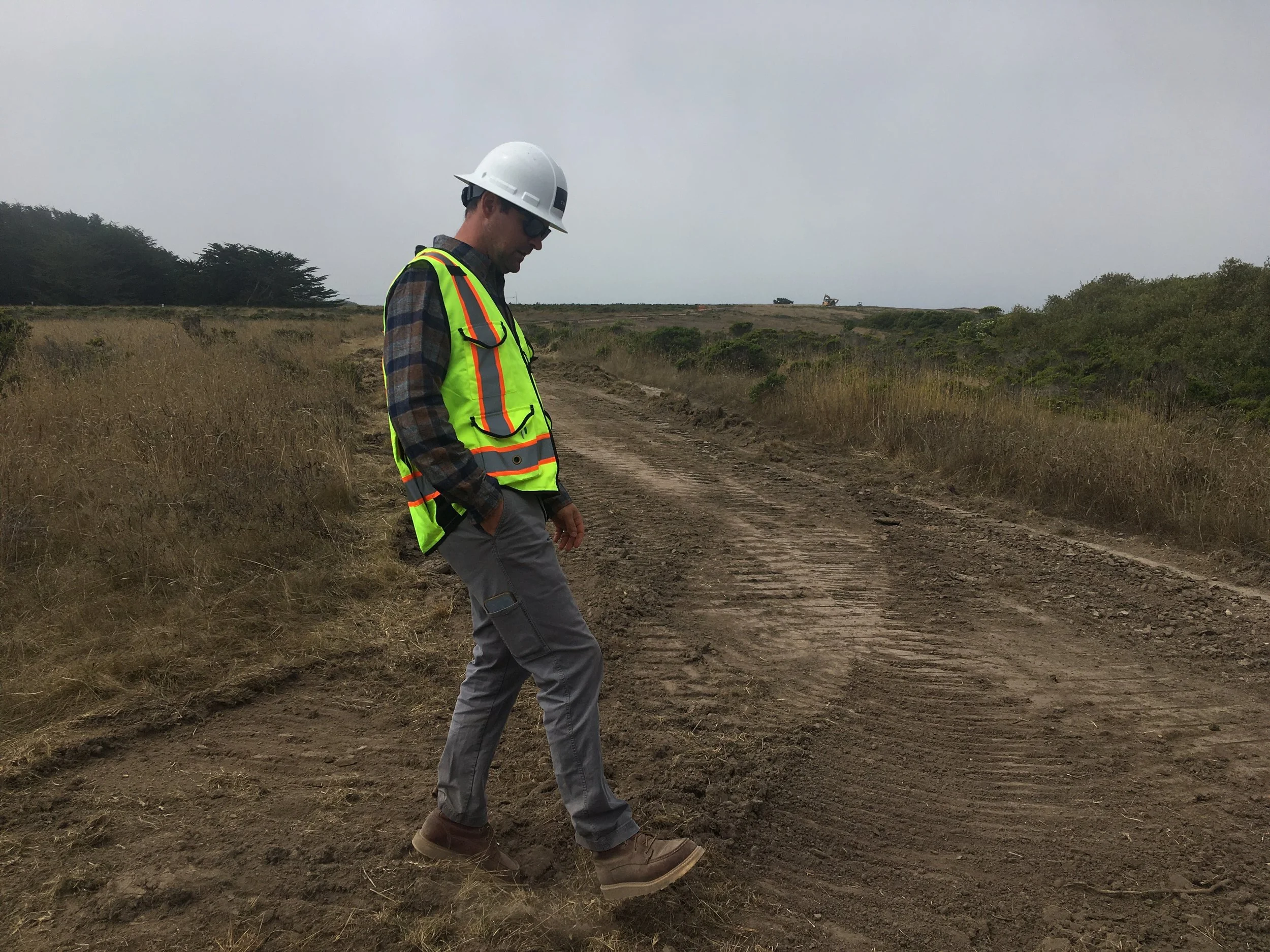
And in a special moment of celebration, our Wavecrest Trail Project Manager, Sara Polgar, took a well-deserved ride along the newly connected path to enjoy the fruits of her tireless work on this project.
WEEK 10:
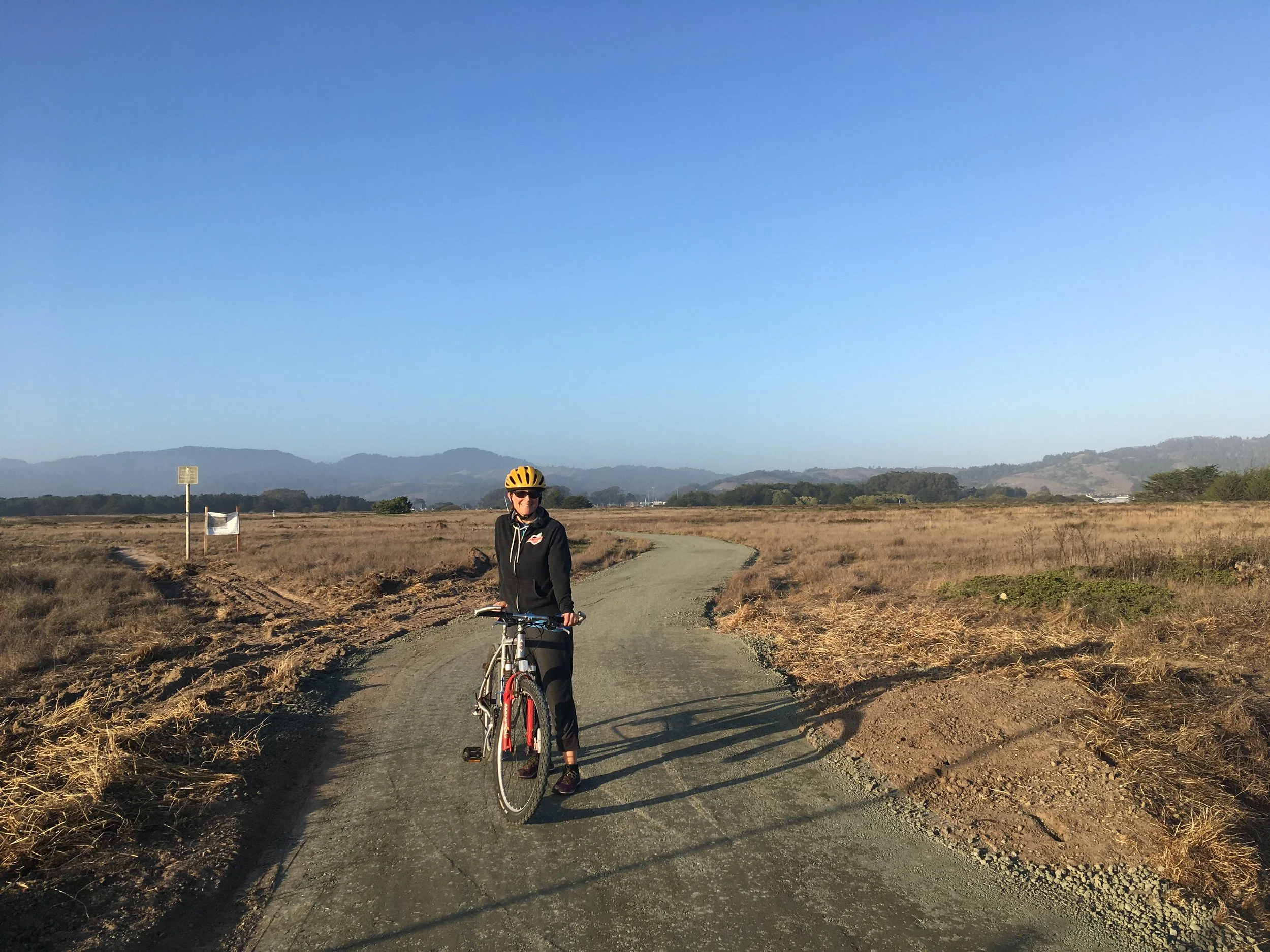
Next up, the crew is stabilizing a large gully at the northwest end of the ravine where the north stairs will eventually be installed. For now, this repaired gully will also serve as the construction access route to the beach, making it possible to begin work on the south stairs—which must be built first.
Junior Land Stewards Field Guide Orientation

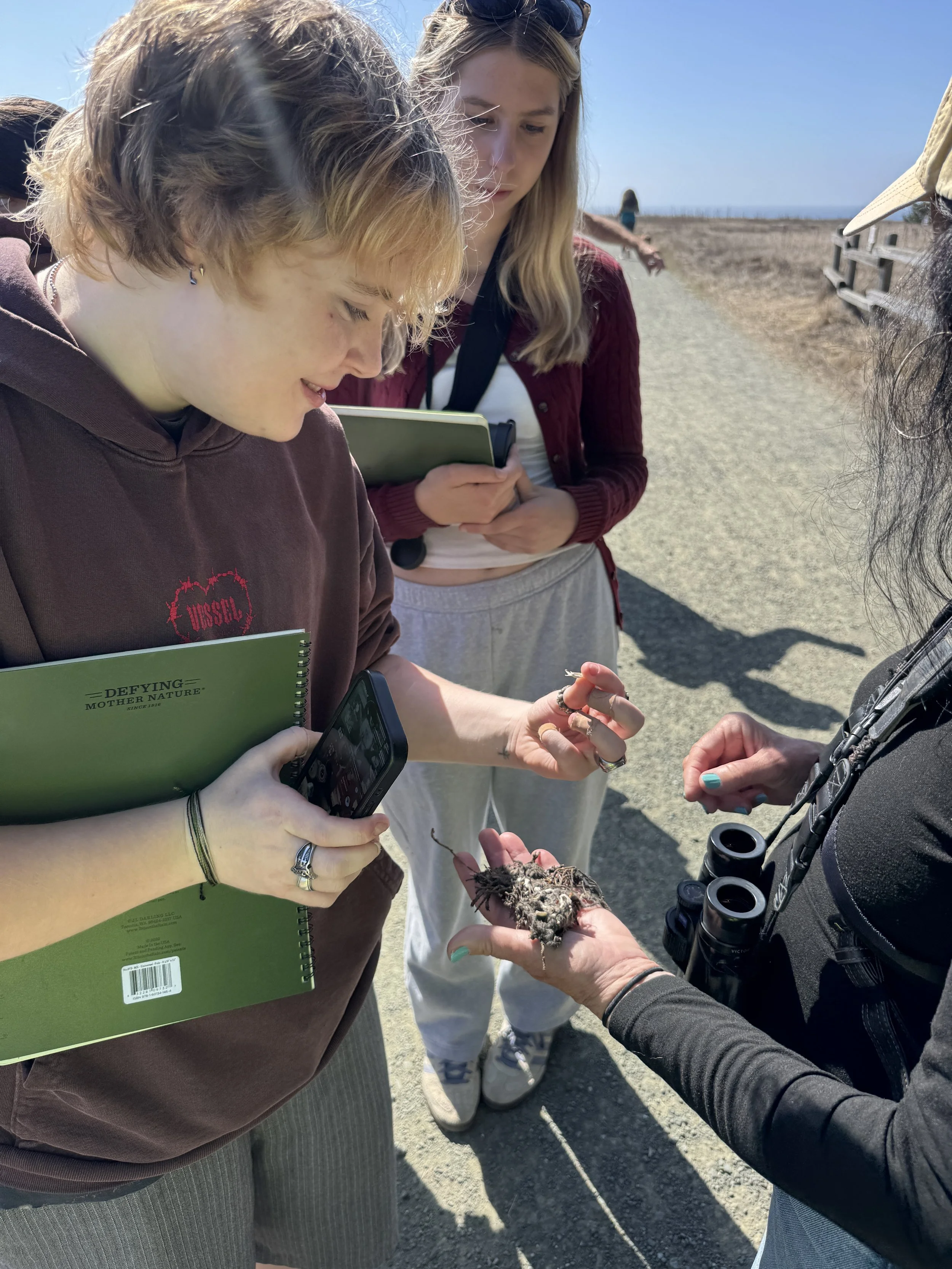
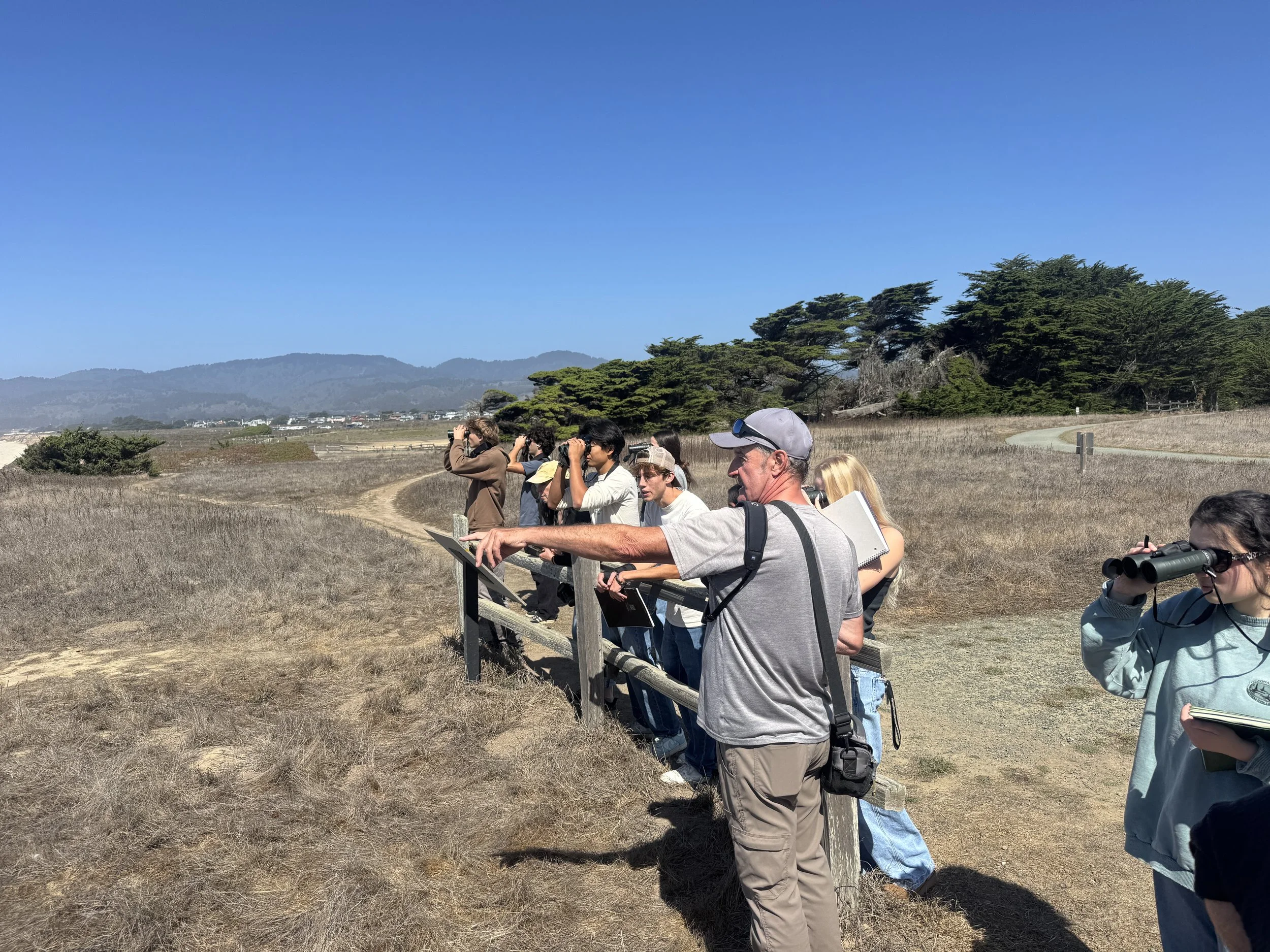
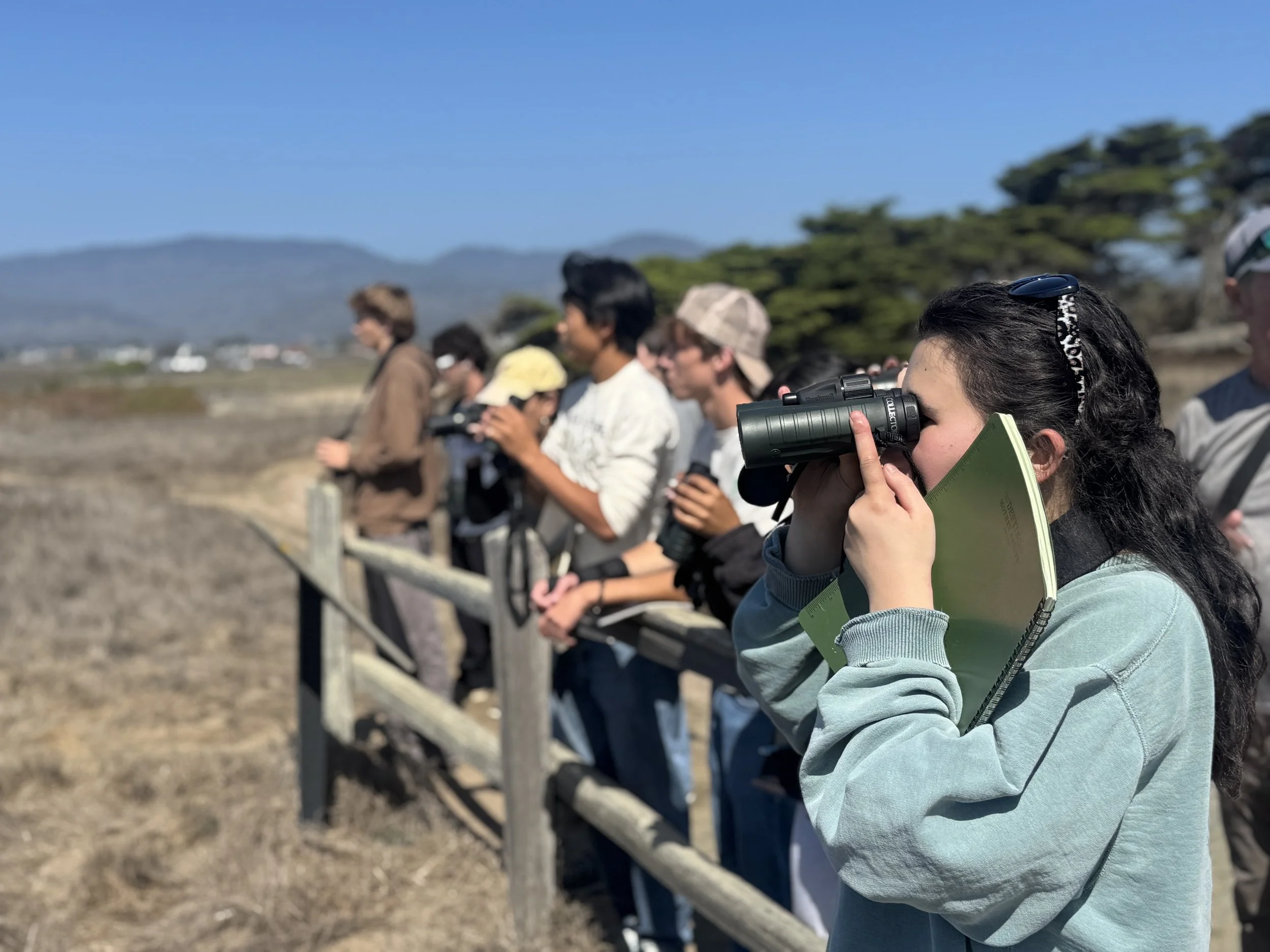
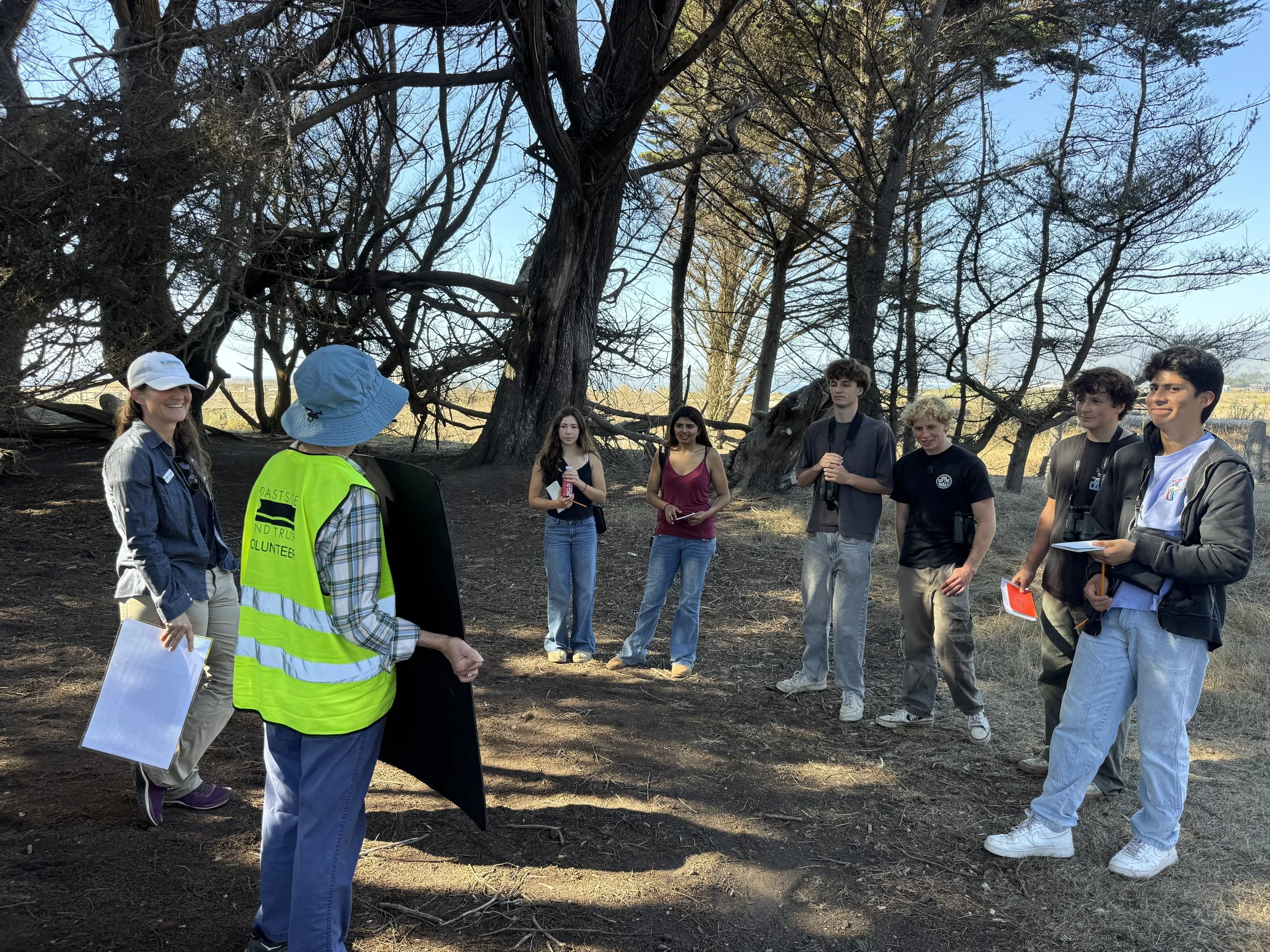
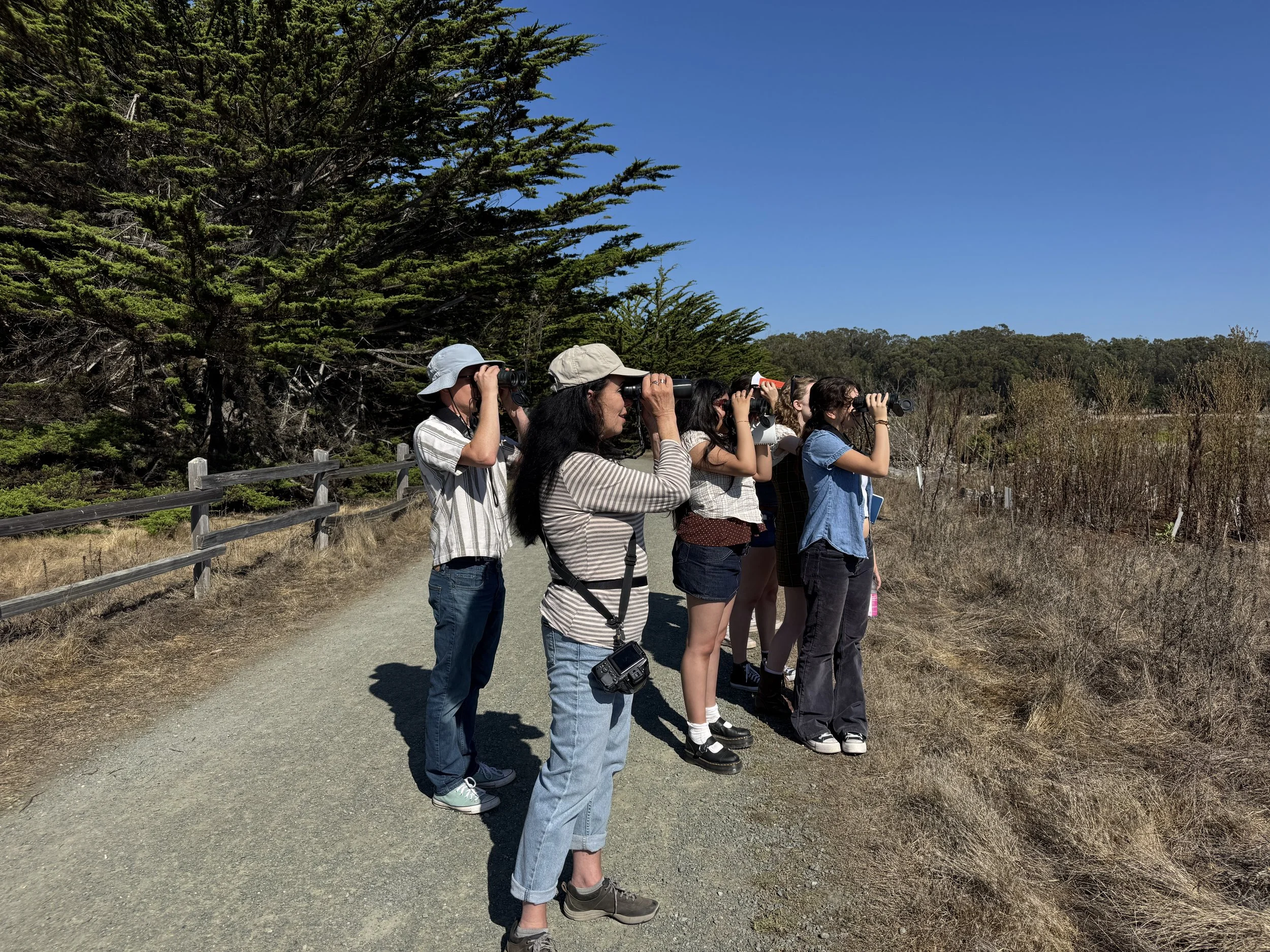
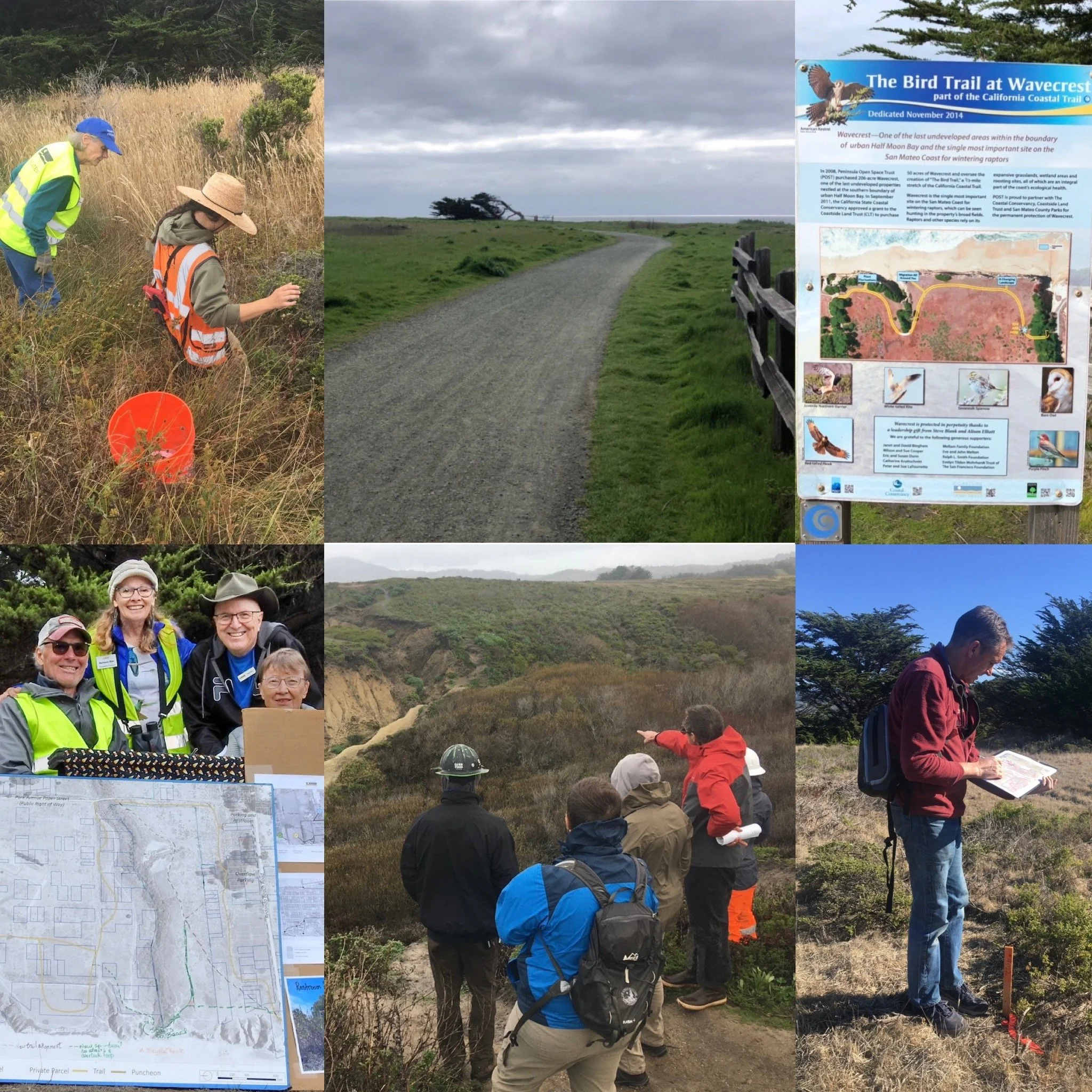
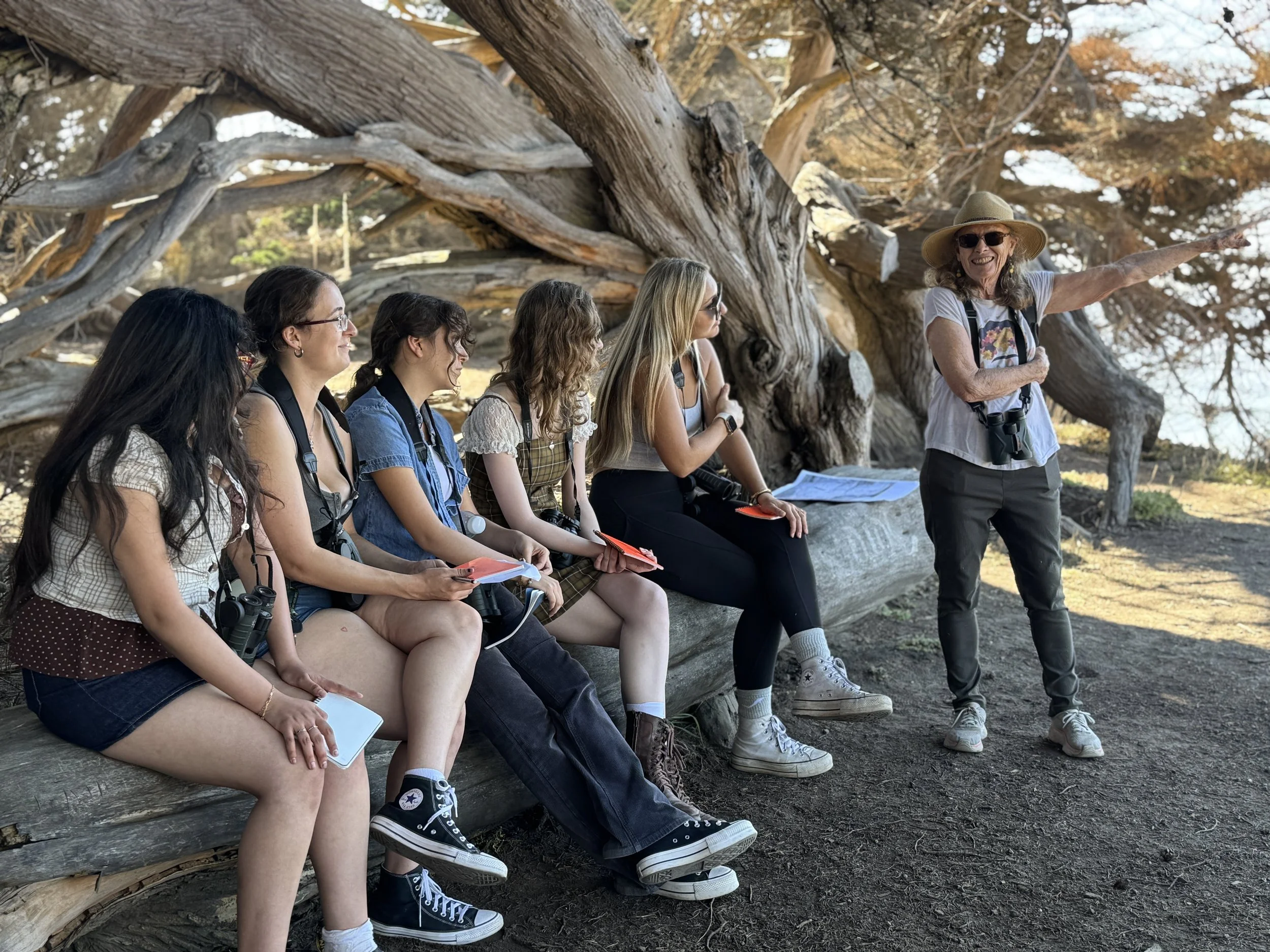
The Junior Land Stewards kicked off their orientation with an action-packed morning at Wavecrest Open Space. Half Moon Bay High School AP Environmental Science and Marine Ecology students explored 50 acres of coastal habitat while soaking up knowledge from local experts. In just under two hours, they rotated through four immersive mini-sessions, each building on the last as students examined different parts of the coastal environment. All of this preparation helps them become field guides for the local 4th-grade students participating in the Junior Land Stewards program.

Guest speakers shared their expertise with energy and enthusiasm. Sara Polgar COO from CLT introduced trail building, fuel reduction, and land stewardship. Malia DeFelice led students in the art of birding, while Elexis Padron encouraged them to use all their senses in nature journaling. Finally, Barbara Dye and Barbara Lohman wove together the rich history, geology, and ecology of the open space, highlighting both native and invasive plants.

The students eagerly took notes in their field notebooks, asked thoughtful questions, and explored the property with curiosity and care. By the end of the morning, they had not only learned a tremendous amount but also gained a deeper connection to the natural world they’ll help protect as Junior Land Stewards.

The birds stole the show—students spotted white-tailed kites, northern harriers, American kestrels, red-tailed and red-shouldered hawks, and even an American barn owl. Along the coast, hundreds of seabirds were in a feeding frenzy, including elegant terns, gulls, cormorants, western grebes, and pelicans. Smaller feathered friends like black phoebes, Bewick’s wrens, California towhees, Townsend’s warblers, and goldfinches delighted aspiring birders. But the discoveries didn’t stop in the air—students also encountered praying mantises, a shamrock orbweaver spider, voles, other rodents, and even owl pellets.

Thank you to the Maxwell Hanrahan Foundation, Cabrillo Unified School District, Granada Community Service District, and everyone who contributed during Coastside Gives for their generous support of this program.

If you would like to help this program continue to grow, please consider making a donation to support the Junior Land Stewards and the ongoing protection and stewardship of our precious open spaces.

Donate Today


Seeds of Renewal with Barbara Lohman at Wavecrest

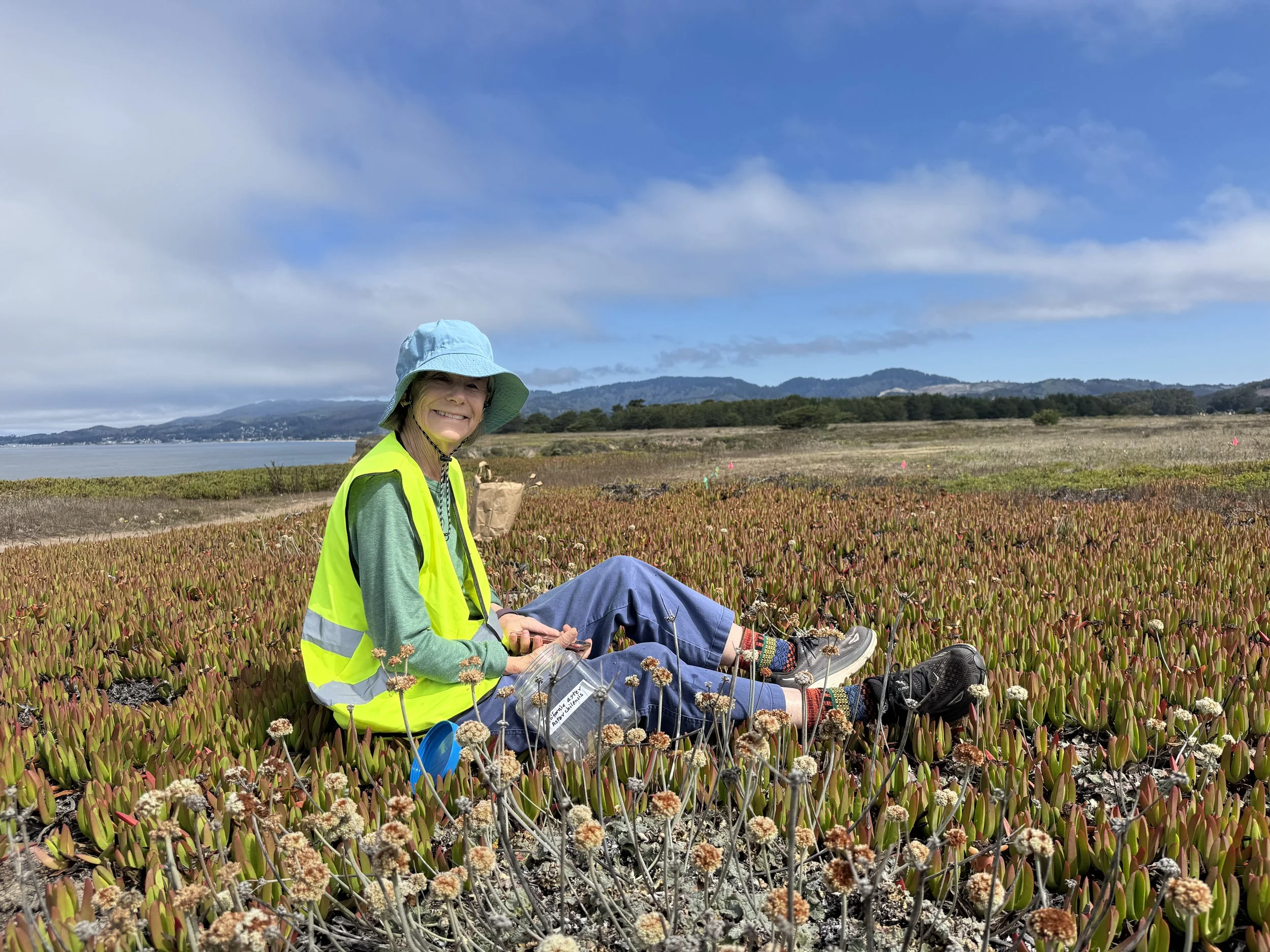
Out at the Wavecrest Open Space, our Board President, Barbara Lohman, carefully gathers seeds from California buckwheat. It may look like a small act, but these seeds will help restore native plants and heal the “casual trails” left by many footsteps.

California buckwheat (Eriogonum fasciculatum) is a hardy, native shrub that plays a big role in supporting local ecosystems. Its tiny flowers attract bees, butterflies, and other pollinators, while birds and small mammals feed on its seeds. Its deep roots help stabilize soil, making it a great ally in erosion control, especially along bluffs and open spaces like Wavecrest. Plus, once established, it thrives with little care, perfectly adapted to our coastal climate.

For Barbara, these quiet moments in the field reflect the heart of our work—each seed helping to bring balance back to the land.

Please help to support this important work—and help preserve, protect, and steward our shared open space

Donate Today

September 25 Wavecrest Trail Extension Update

WEEK 8:
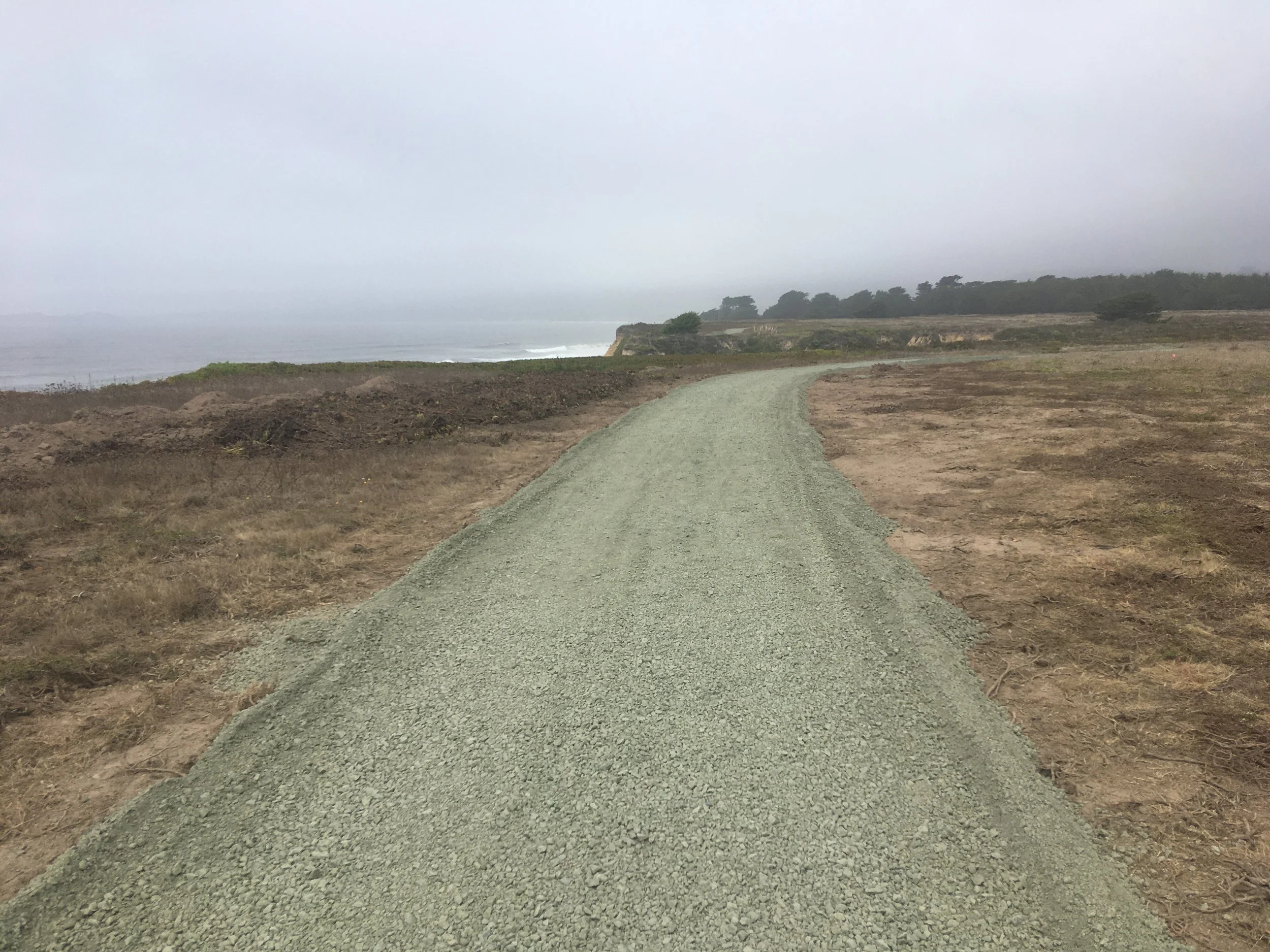
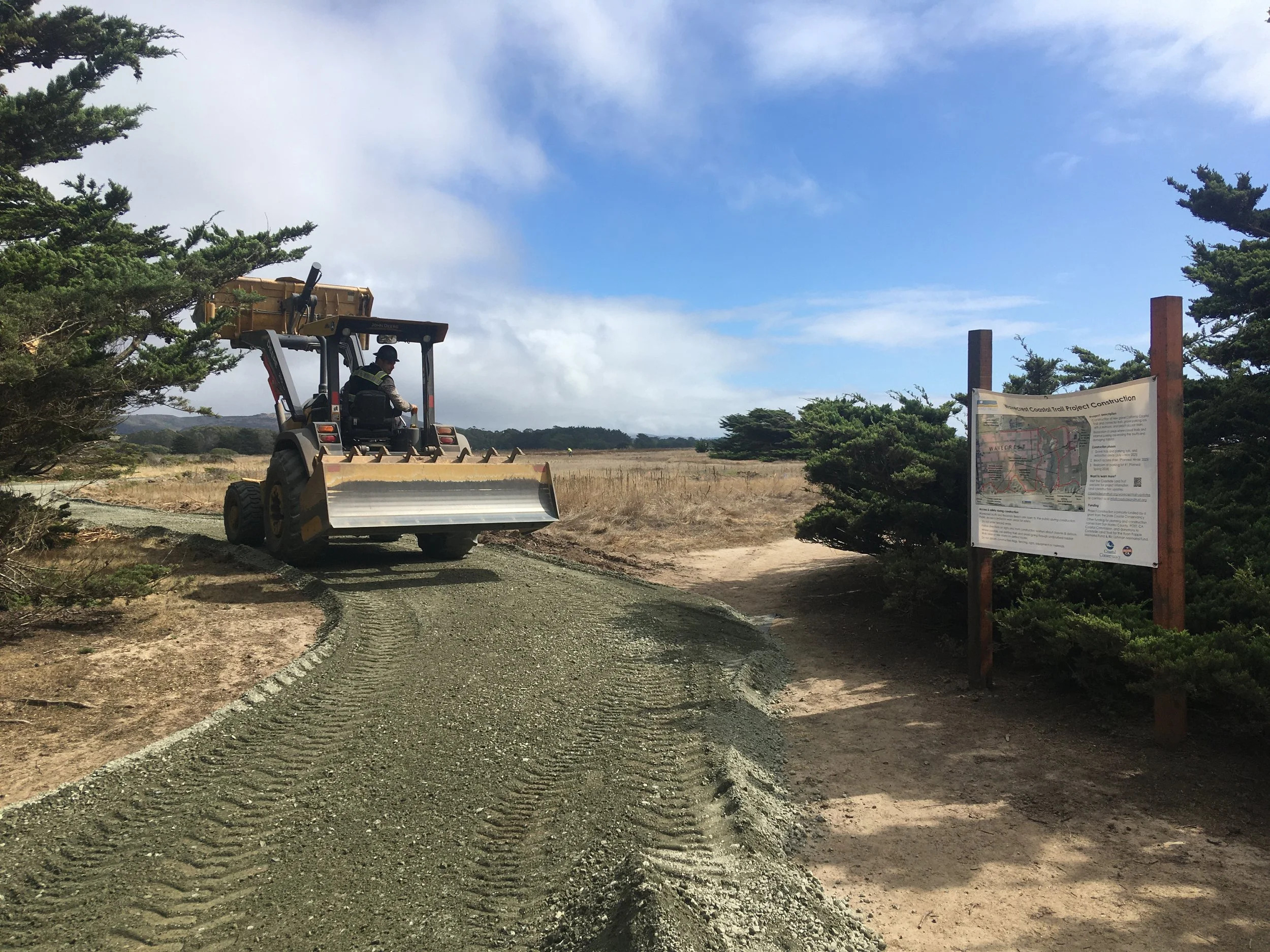
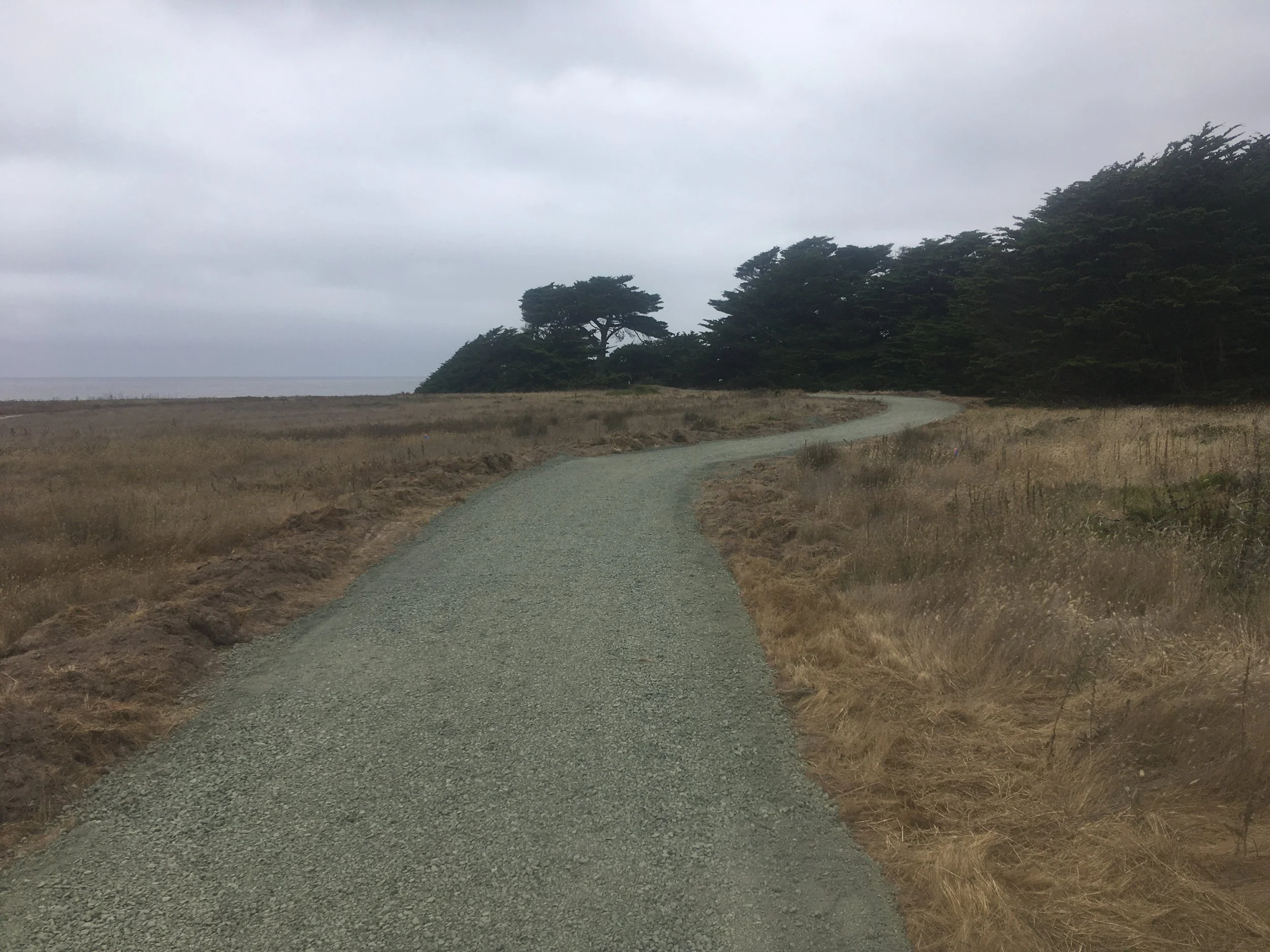
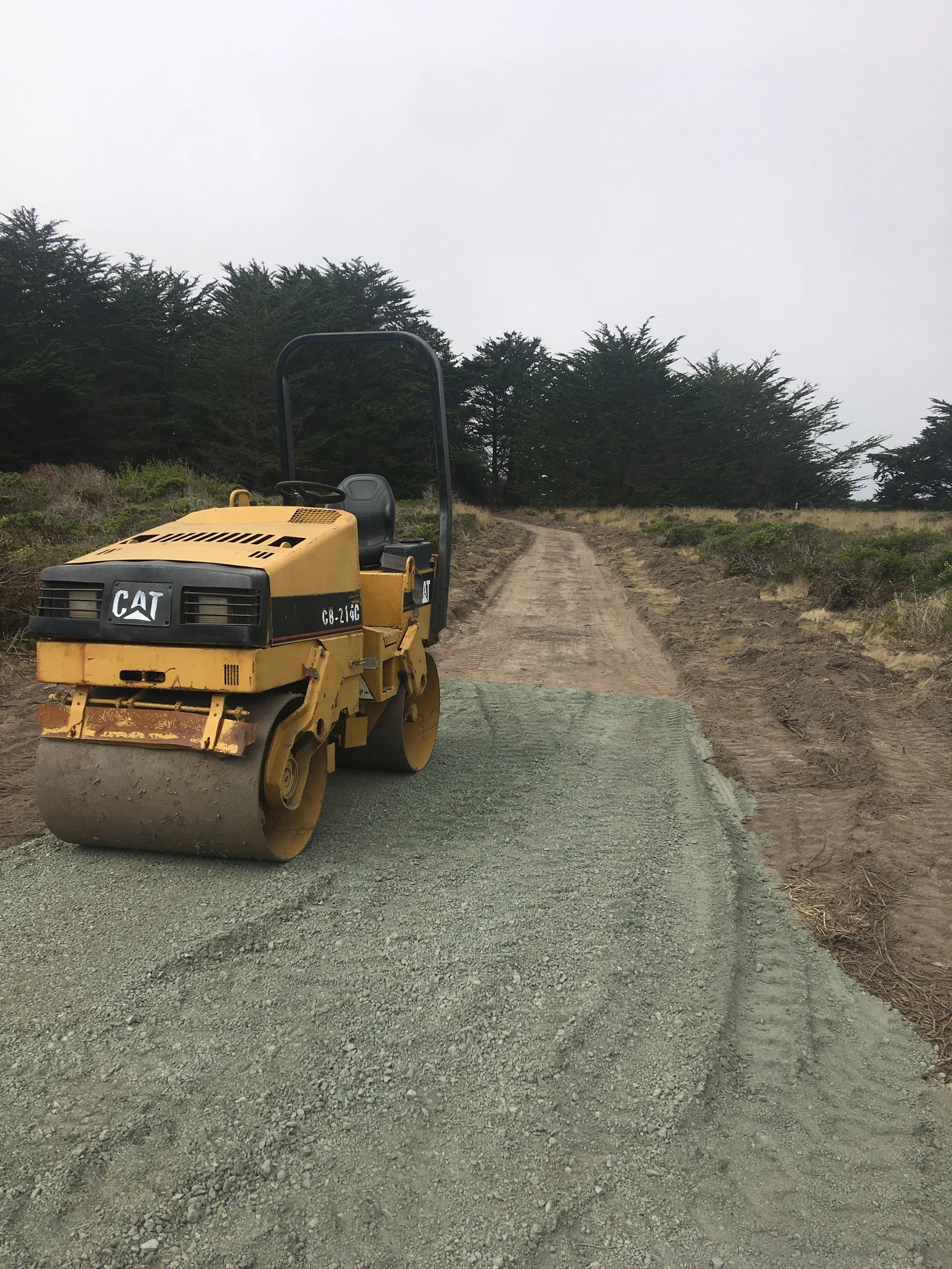
The contractor wrapped up laying compacted gravel on the north side of the ravine—about 1,800 linear feet of trail! This crucial stretch ties together the finished trail on both the north and south sides of the ravine. With this connection nearly complete, the Coastal Trail at Wavecrest is so close to being fully linked!

COMING UP NEXT WEEK:
The crew will shift focus to the northwest end of the ravine, where they’ll stabilize a large gully in preparation for installing the north stairs. For now, this repaired gully will also serve as the construction access point down to the beach so work can begin on the south stairs (which need to go in first). In addition, the team plans to lay down gravel on the existing road between Smith Field Ballpark and the ravine crossing.

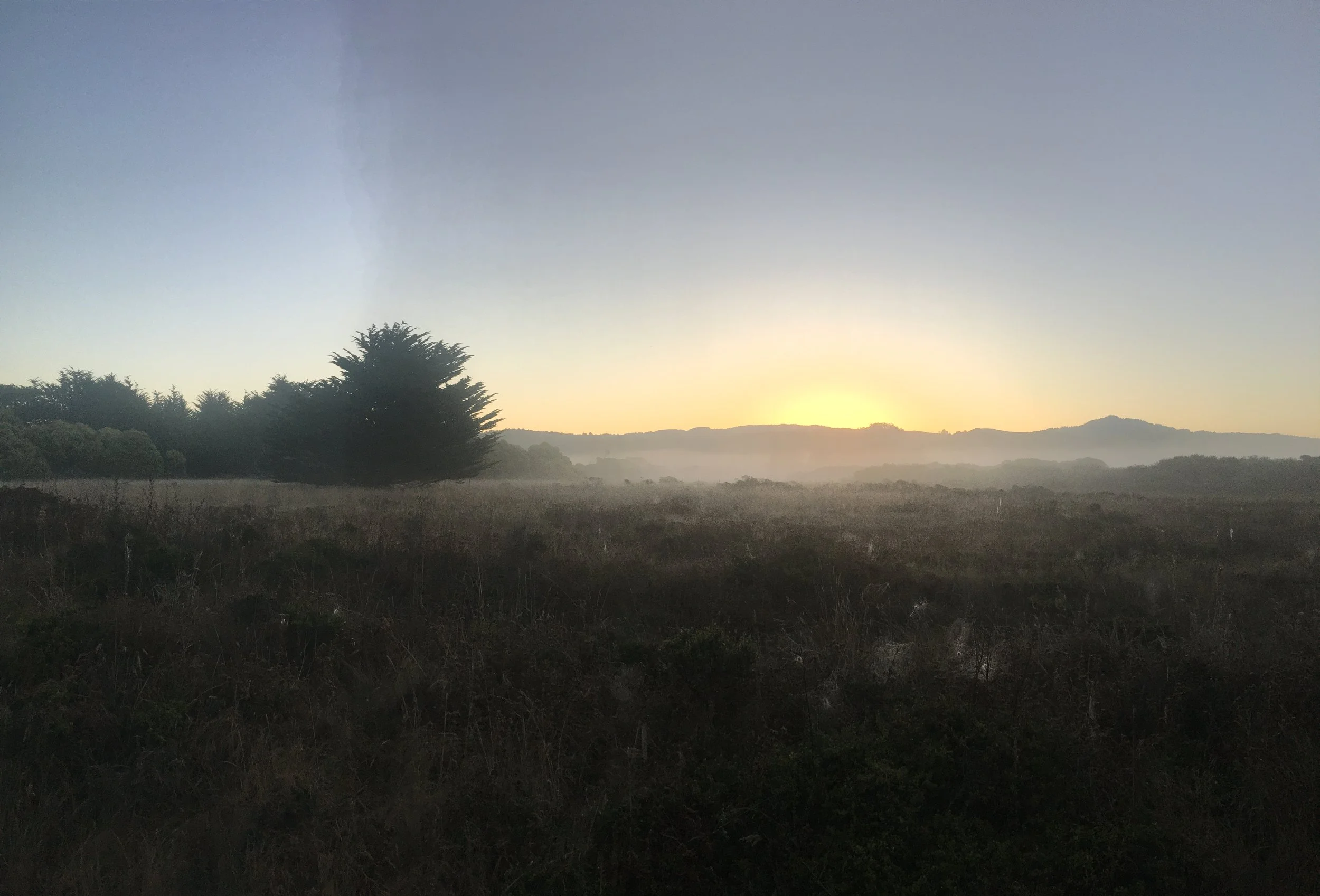
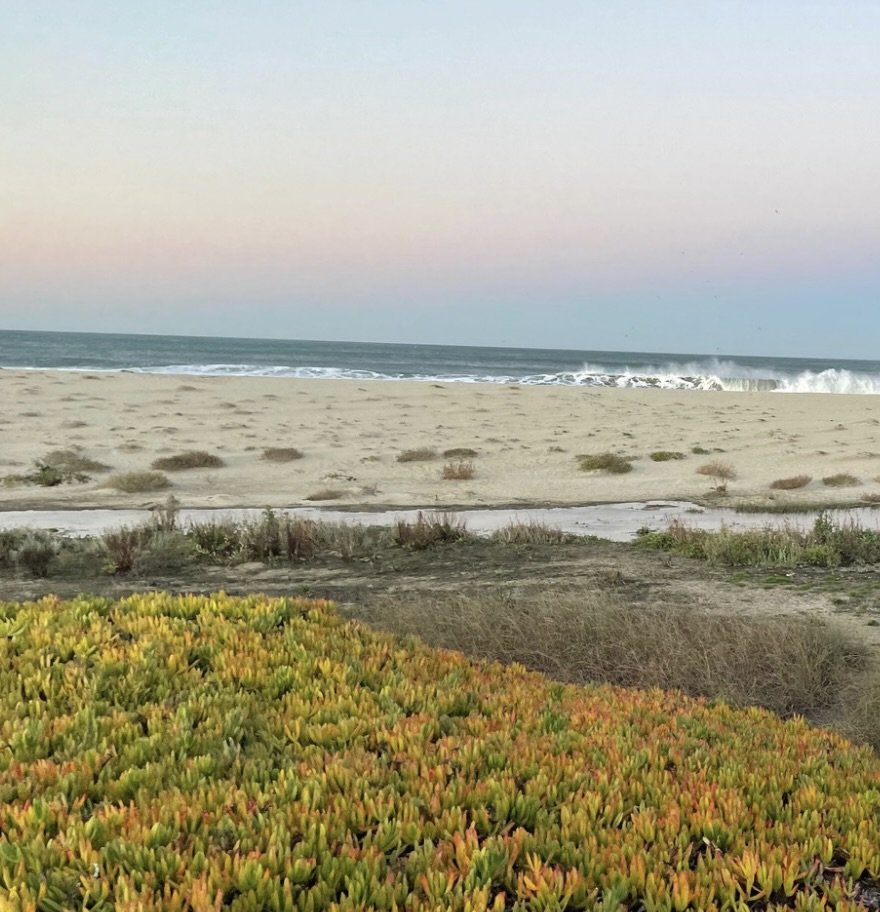
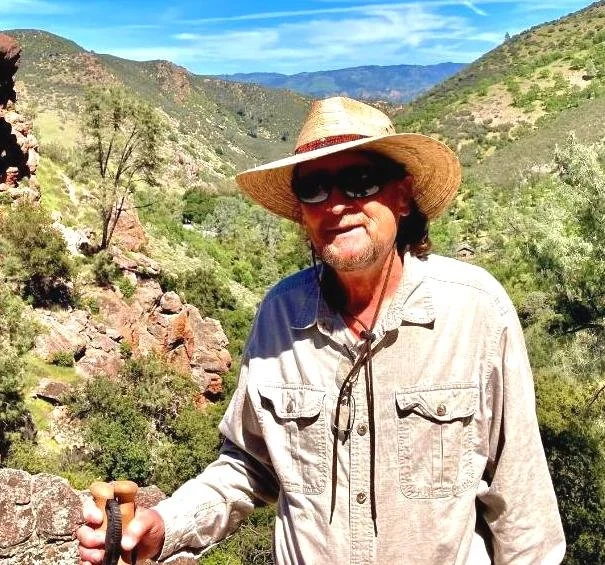
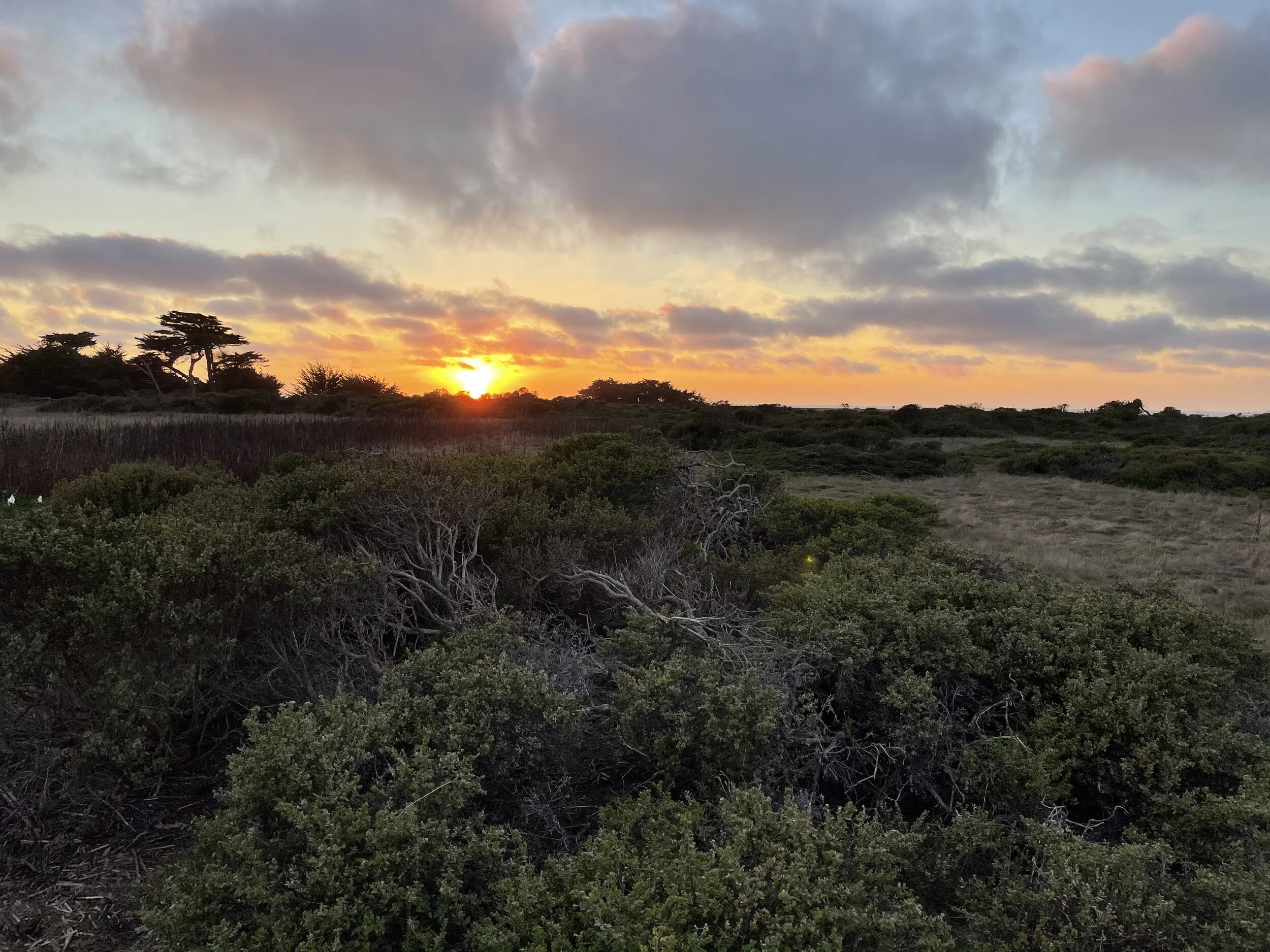
Here’s a glimpse of the beauty that greets us all as we spend time walking and working on this trail…

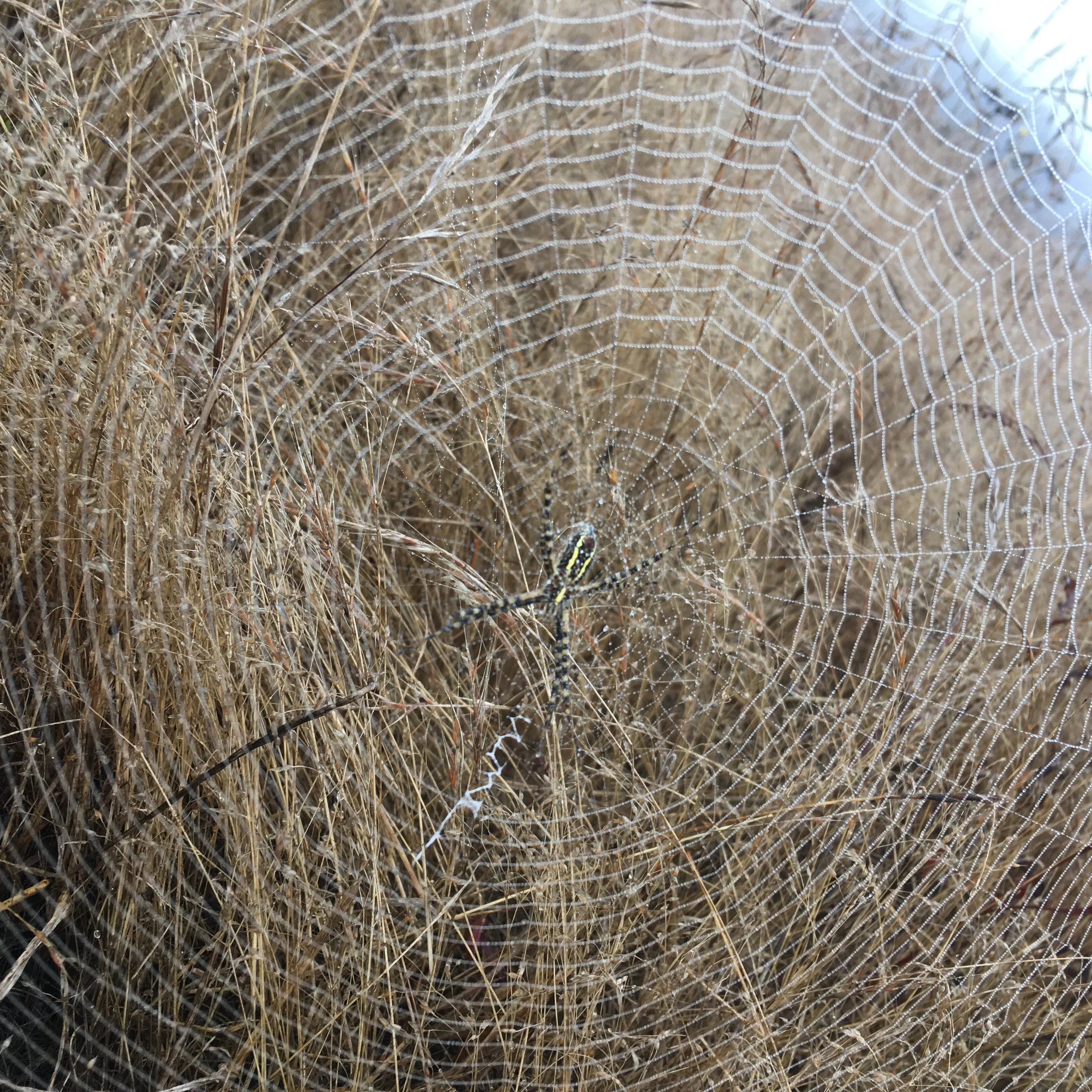
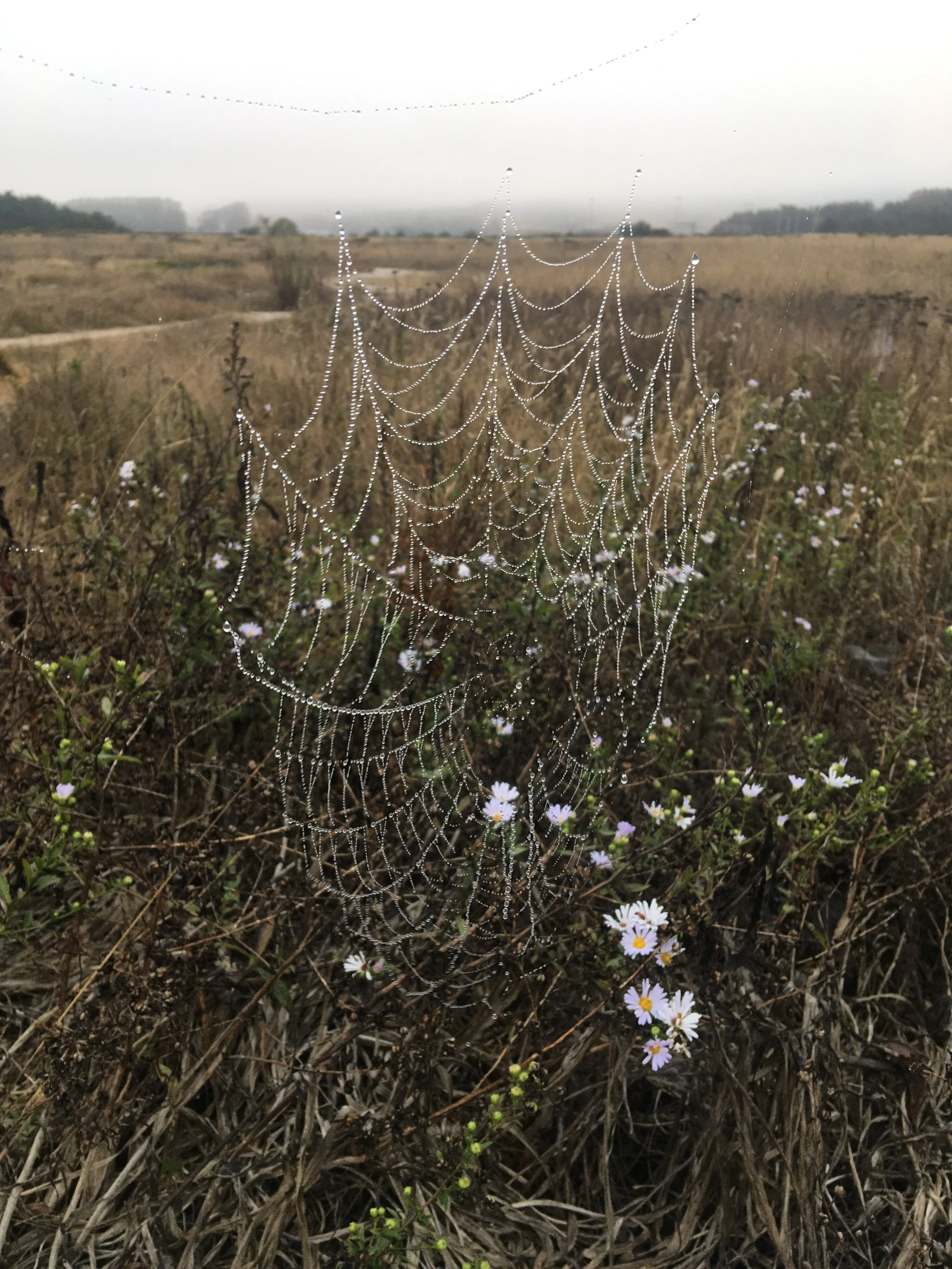
And a glimpse of someone quietly watching it all unfold…

Coyote Brush: Fall Magic on the Coast

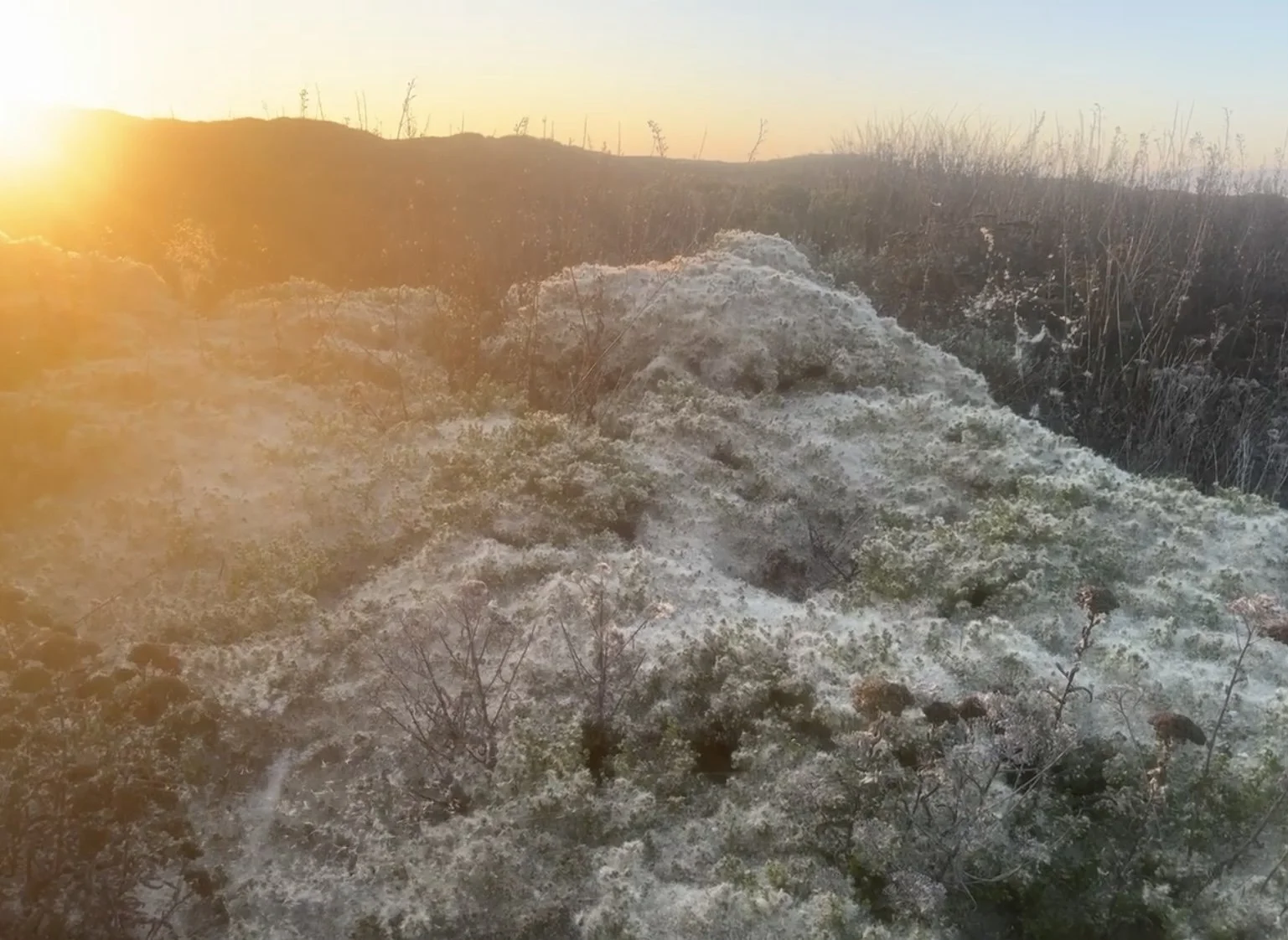
If you’ve walked the bluffs, trails, or open fields along the San Mateo Coast lately, you’ve probably noticed clouds of white fluff drifting through the air. It looks almost like snow, but it’s not winter weather—it’s coyote brush (Baccharis pilularis) going to seed.

What’s Happening Right Now

In early fall, female coyote brush plants burst into bloom with cream-colored flowers. Soon after, those flowers transform into silky seed heads, each attached to a tiny parachute of fluff. The wind carries these seeds far and wide, a natural strategy to help the plant spread and thrive. On breezy days, you can actually see the seeds floating across the landscape, sometimes catching the sunlight like sparkling confetti.

Why It Matters

Coyote brush is one of the most important native plants on our coast. It’s a pioneer species, meaning it’s often one of the first shrubs to grow back in disturbed or bare areas. Its deep roots help prevent erosion, while its dense growth offers shelter for birds, insects, and small mammals.

This plant also supports pollinators. In late summer and early fall, when many other flowers have finished blooming, coyote brush provides a vital nectar source for native bees, butterflies, and flies. If you stop and listen, you’ll often hear the buzzing and humming of insects hard at work.

The Cool Factor

  • Natural Snowfall: The airborne seeds create a magical scene, turning coastal trails into living snow globes.

  • Resilient Beauty: Coyote brush can survive salty winds, poor soils, and drought, making it a champion of coastal resilience.

  • Wildlife Haven: Birds use it for cover, deer browse on it, and countless insects depend on its flowers.

  • Restoration Hero: Land stewards often plant coyote brush first in restoration projects, knowing it will prepare the ground for other native species to follow.

So… next time you see the fluff- take a moment to notice the beauty and purpose of coyote brush seeds drifting on the wind. They’re a reminder that our coast is alive with seasonal rhythms, and that even something as small as a seed can play a big role in shaping the landscape we love.

Thank You for Joining Coastal Cleanup Day!

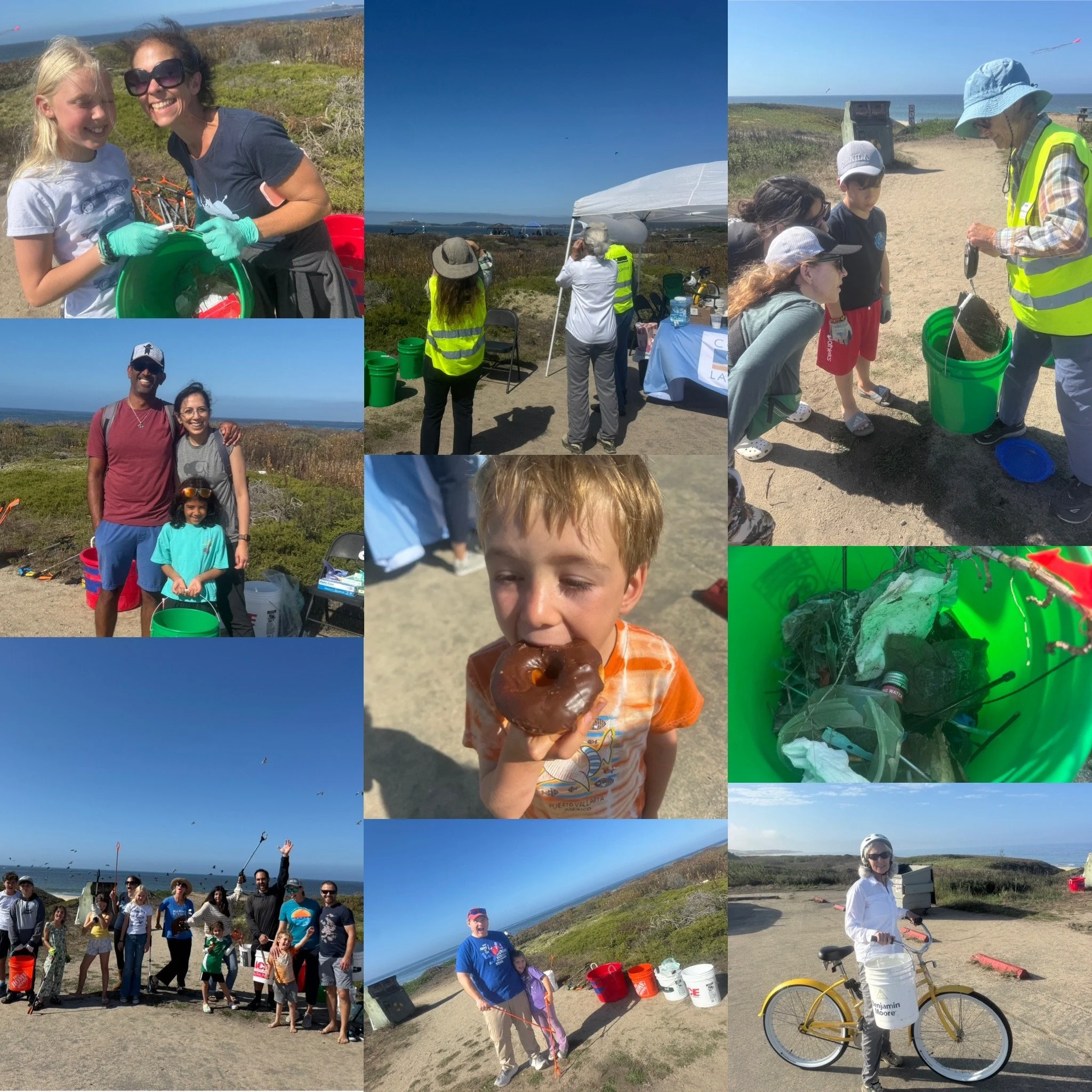
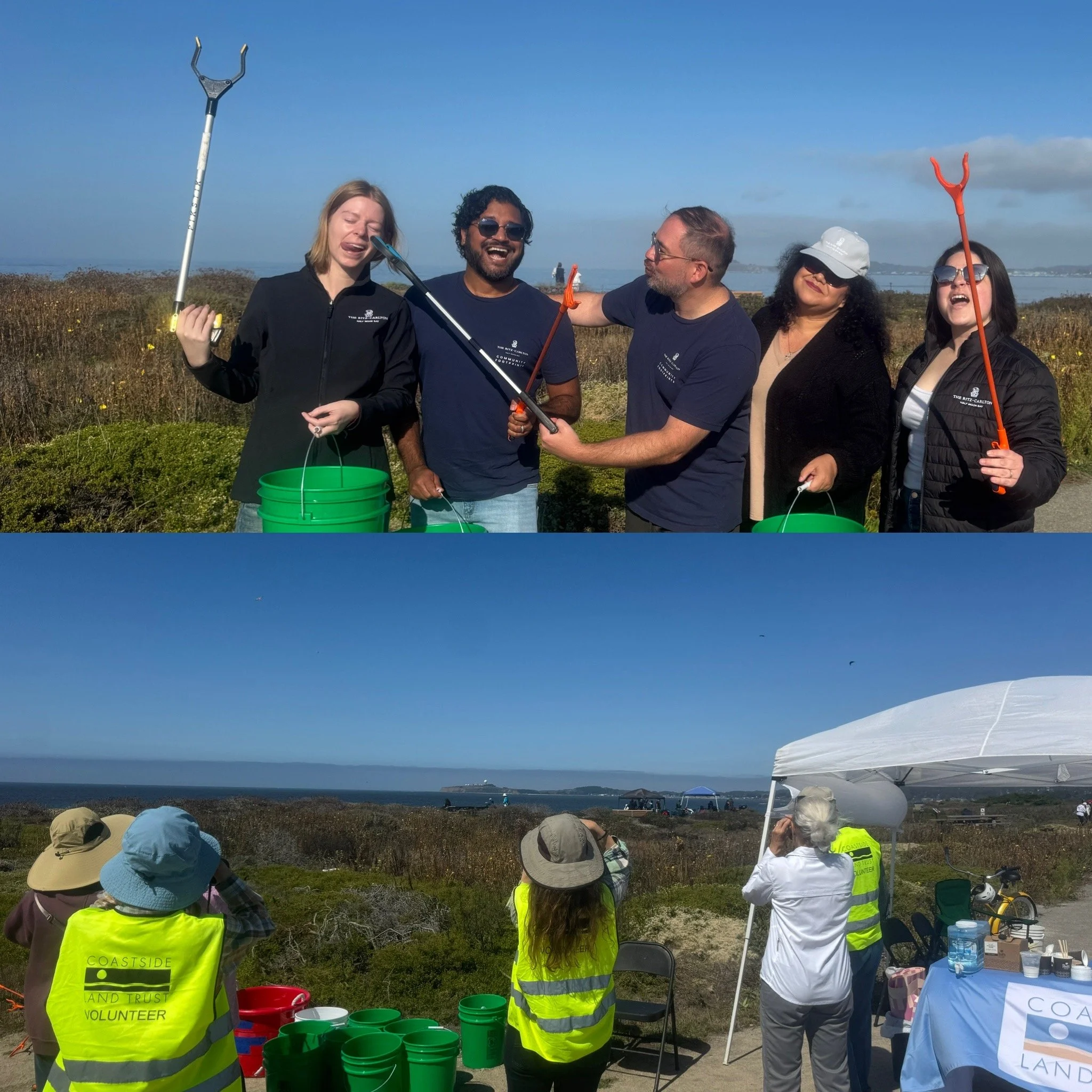
We are so grateful to everyone who came out to Venice Beach in Half Moon Bay for California Coastal Cleanup Day with Coastside Land Trust. Together with 60,000 other Californians, we rolled up our sleeves to keep our beaches and waterways clean — and what a beautiful day it was!

Thanks to our amazing volunteers — residents and visitors of all ages, and many Seacrest School families — we collected a wide variety of debris including plastics, metals, shoes, glass, clothes, and other items that might otherwise have ended up in the ocean. Every piece removed makes a difference.

A special thank-you to the Ritz-Carlton Half Moon Bay for treating our volunteers to delicious donuts, fueling the energy that powered this important effort.

This incredible turnout showed the strength of our community and the care we share for our coast. Thank you all for being part of the solution and helping protect the place we love.

A number of volunteers were treated to a large show of gratitude from some humpback whales feeding and playing closely off shore! Not sure who was having more fun, though…

California Coastal Cleanup Day is this Saturday- Join us at Venice Beach!

California Coastal Cleanup Day 2025
Saturday, September 20
9am - Noon
Venice Beach, Half Moon Bay


Attention Coastside community! Join the Coastside Land Trust for a meaningful coastal cleanup event shared by communities all along the California coast. Let’s unite here in Half Moon Bay to protect and preserve our beautiful coastline. This year, the Coastside Land Trust’s cleanup site will be Venice Beach in Half Moon Bay.


Meeting location: Venice beach 

What to bring: Sun protection

Parking: Free parking permits will be provided at the event. 

September 18 Wavecrest Trail Extension Update

WEEK 8:
The contractors excavated much of the remaining trail north of the ravine and began laying compacted gravel from the north end. They completed more than half a mile of trail—and it looks fantastic! The crew also carried out some casual trail restoration in a couple of high-priority areas, with more of this work planned in the weeks ahead.

COMING UP NEXT WEEK:
The crew will continue trail-building all the way to the northwest side of the ravine. They’ll also refine the newly graveled sections by cleaning up the edges for a finished look.

Recorded Video: Mammoth in the Artichokes community webinar

Mammoth in the Artichokes

Encounter with an Ice Age Landscape in Monterey County and Implication for the First Native Americans

Join us as we welcome back the very popular Mark Hylkema to discuss the remains of an Ice Age mammal found in our region and the research team that investigated and recovered these remains. His abstract is as follows:

In the spring of 2011, the remains of a Columbian Mammoth were exposed in an artichoke field near the town of Castroville, California. During the grading to create additional planting areas, the operator of the heavy machinery observed bones that turned out to be the partial, but articulated remains of the mammoth, along with fragments of bone representative of other Late Pleistocene (Ice Age) animals. In the hope of finding a link between the mammoth and early ancestral Native Americans, a research team involving many different colleges and universities was organized to learn what we could before active agricultural activities closed the opportunity to investigate. The process of learning about these animals led to a journey of discovery about the landscape and natural history of the Monterey Bay region at the end of the Great Ice Age. This lecture will highlight some of the many insights gained and will share information about the recovery of the remains of creatures that were once on the menu for the first people of the Americas- but have since vanished from our world as if they had never been.

Donate to support the Coastside Land Trust free webinar programs and the protection and stewardship of our shared open spaces at www.coastsidelandtrust.org/donate.

Join us this Saturday for "Mammoth in the Artichokes" free webinar...

Mammoth in the Artichokes

Encounter with an Ice Age Landscape in Monterey County and Implication for the First Native Americans
Presented by Mark Hylkema
Free Community Webinar
THIS SATURDAY
 September 13, 2025
10:00 AM – 11:00 AM

Join us this Saturday!
We’re excited to welcome back the always-popular Mark Hylkema for a fascinating presentation on the remains of an Ice Age mammal discovered in our region and the research team that recovered them.

Mark will explore:

  • The lives and diets of the first Native Americans

  • The massive animals that roamed our area during the Ice Age

  • How the Monterey Bay region once looked and the natural history it reveals

If you can’t attend in person, don’t worry—we’ll be recording the presentation, and all registrants will receive a link to watch afterward.

Register Here

September 8 Wavecrest Coastal Trail Extension Update

Photo Credit: Sara Polgar

Wavecrest Trail Extension Update: Weeks 5–7

As construction moves forward, it feels like we’re not the only ones keeping watch over the new trail. An orb weaver spider recently set up its web nearby, perfectly positioned to take in all the activity. Here’s what the spider (and our crew!) have been seeing these past few weeks:

Week 5
The contractor laid compacted gravel along the trail loop on the south side of the ravine, completing about 4,000 linear feet—roughly one-third of the total trail length.

Week 6
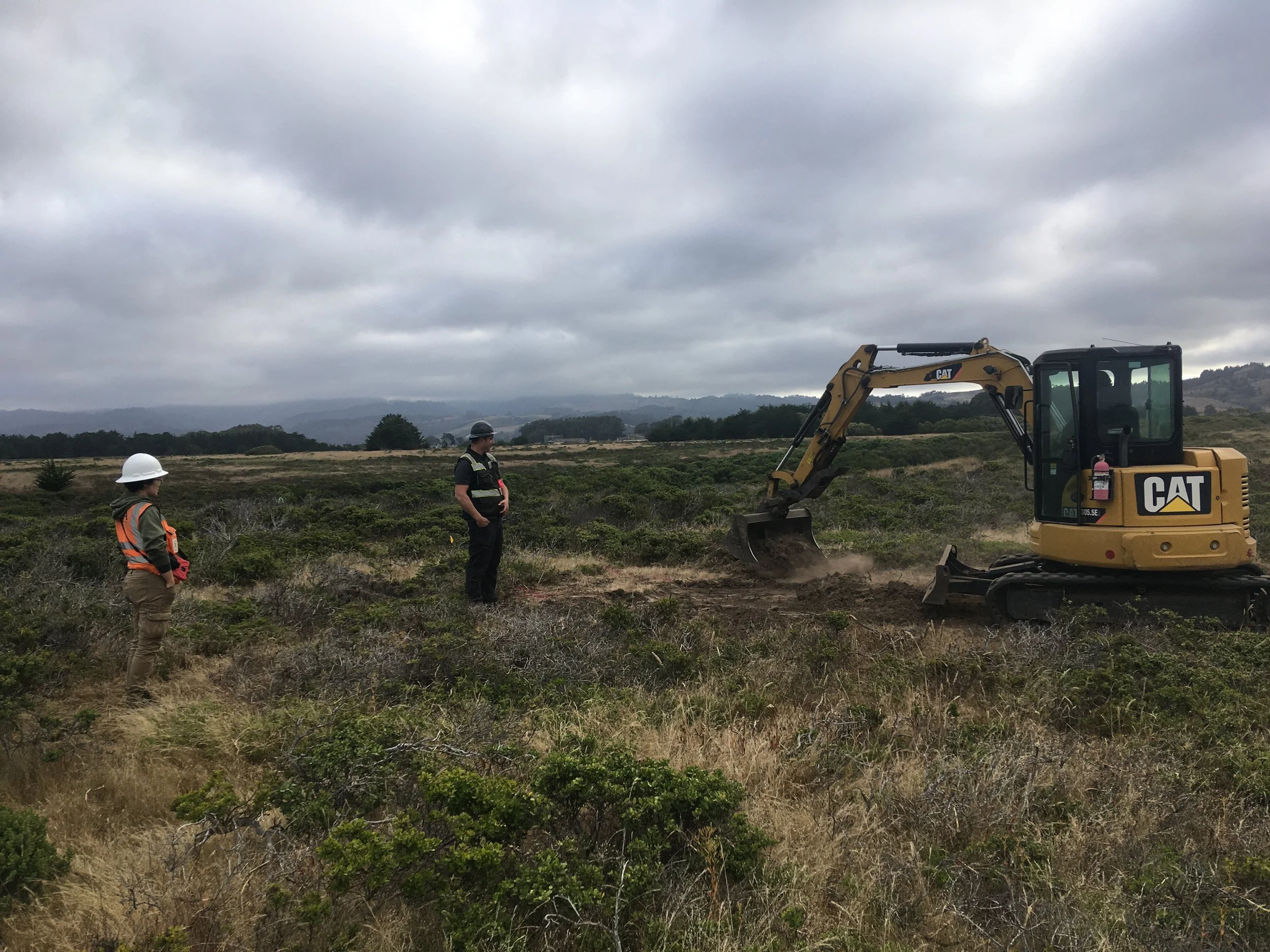
Building on the previous week’s work, the contractor cleaned up along the trail edges and used a mini-excavator to decompact and spread material on the casual trail areas adjacent to the newly constructed trail. This step will help these areas naturally revegetate over time.

Week 7
The contractor excavated much of the remaining trail north of the ravine, moving us closer to connecting the full alignment.

Just like the orb weaver’s web, each piece of this project connects to the next—slowly but surely creating something strong, beautiful, and lasting. Stay tuned for more updates as the Wavecrest Trail Extension takes shape!

Mammoth in the Artichokes; Encounter with an Ice Age Landscape in Monterey County and Implication for the First Native Americans

Mammoth in the Artichokes

Encounter with an Ice Age Landscape in Monterey County and Implication for the First Native Americans
Presented by Mark Hylkema
Free Community Webinar
Saturday, September 13, 2025
10:00 AM – 11:00 AM

Join us next weekend as we welcome back the very popular Mark Hylkema to discuss the remains of an Ice Age mammal found in our region and the research team that investigated and recovered these remains. He’ll connect the lives and diet of the first Native Americans with the huge animals that roamed this area at the time of the Ice Age, and uncover a completely different landscape and a fascinating natural history of the Monterey Bay region.

Register and Learn more

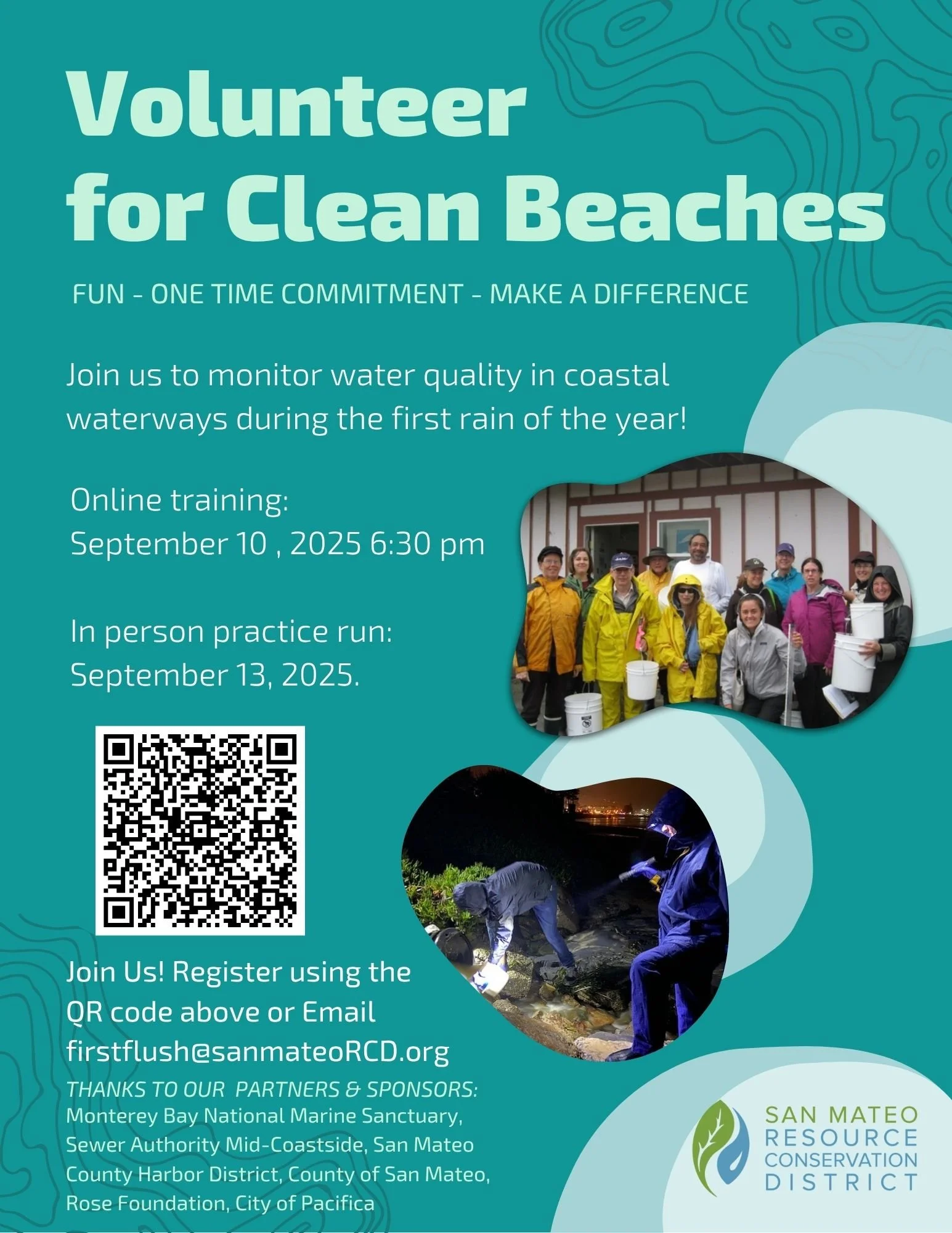
Volunteer for the First Flush Community Science Program

The San Mateo Resource Conservation District (RCD) is seeking volunteers for this year’s First Flush water quality monitoring event, the largest annual community science effort of its kind in our region. No experience is necessary!

Each fall, the first significant rains wash months of accumulated pollutants from our streets and landscapes into creeks, storm drains, and the ocean. This moment, known as First Flush, provides a rare chance for scientists and volunteers to understand how these pollutants move through our watershed—and how they impact both people and wildlife.

Volunteers will:

  • Collect water samples at designated sites from Pacifica to Half Moon Bay

  • Record field data to help track pollutants such as bacteria, metals, suspended solids, and nutrients

  • Contribute to long-term data that helps inform science and stewardship of our local waters

Training sessions:

  • Virtual Training: Wednesday, September 10, 6:30 PM (recorded for later viewing)

  • In-person Training: Saturday morning, September 13 (hands-on practice; video also available)

Register for a training

For more background on why this work matters, we invite you to watch our recent Coastside Land Trust webinar, Healthy Waters, Thriving Coast, featuring Kellyx Nelson and Clifton Herrmann of the San Mateo RCD. In this program, they share insights on local water quality, sources of pollution, and how science and community monitoring help protect our coast.

Watch Healthy waters, thriving coast webinar

Email FirstFlush@sanmateoRCD.org with any questions

Wavecrest Costal Trail Extension Update: August 24

Trail construction is moving forward at Wavecrest. The project team:

  • Completed work on the future eastern parking lot with compact gravel, which will serve as the main staging area.

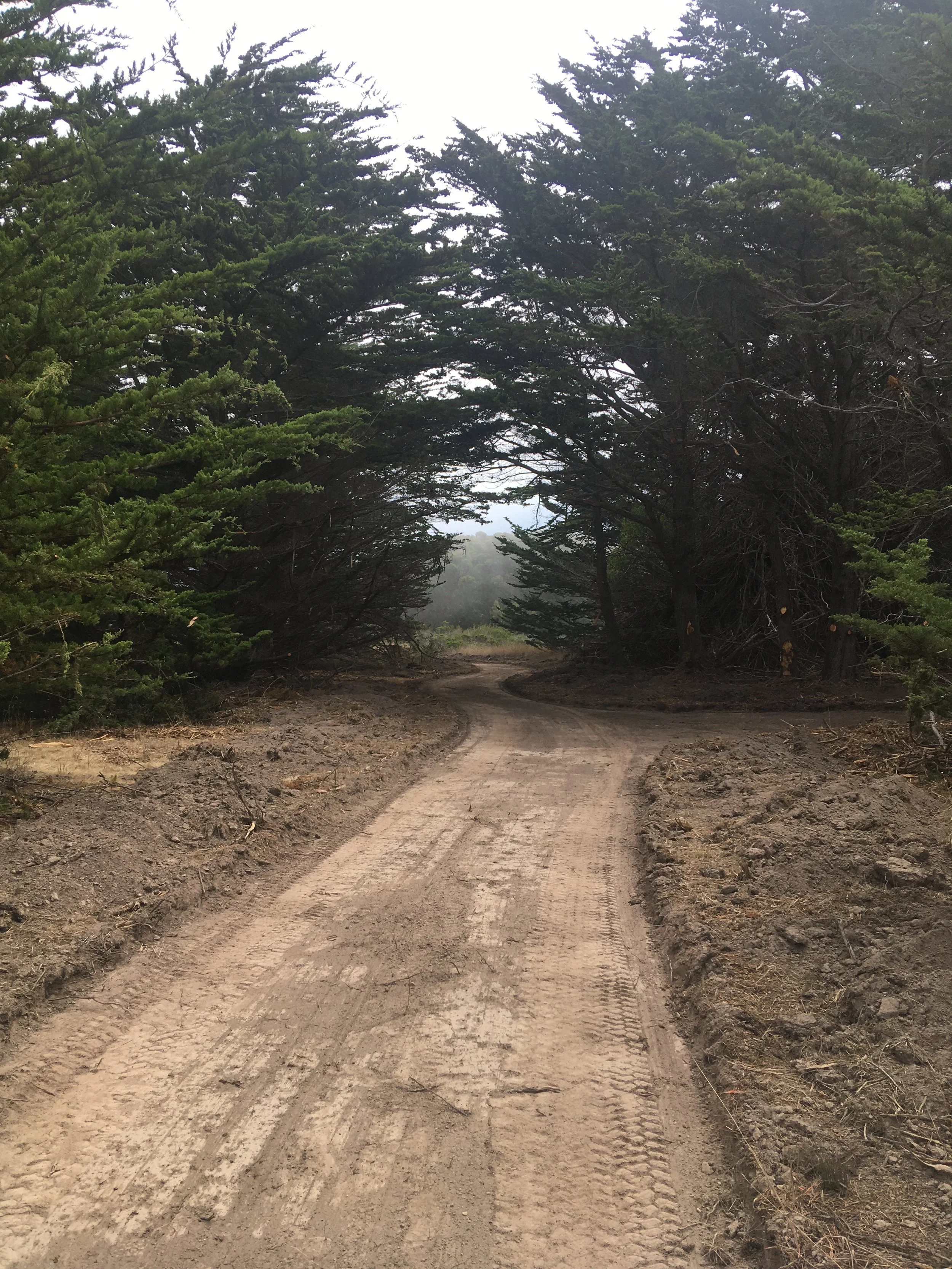
  • Cleared about half a mile of the planned trail alignment, starting south of the ravine, using both a masticator and a mower.

  • Mowed the rest of the trail alignment north of the ravine to connect with the existing Bird Trail on Coastside Land Trust’s 50-acre property.

  • Has been building the new east–west segment along the south side of the ravine with excavators, dump trucks, and gravel.

The trails will remain open during this work. However, visitors may occasionally be asked to wait or take a short detour around active construction areas for safety.

Wavecrest Coastal Access Project Update: Sequencing & Timeline

We’ve received some thoughtful questions from community members about the sequencing of the Wavecrest Coastal Access Project, and we’d like to share more detail about how and when different parts of the project will come together.

The project includes three key components:

  1. Trails, parking, and habitat restoration

  2. Beach access stairs

  3. Restroom

Why Trails and Parking Come First

Construction began this summer with the trails, parking, and restoration work. This first step is essential because safe public access and site preparation must be in place before we can move on to the beach stairs or restroom. This work is scheduled for completion in late October/early November 2025.

Beach Access Stairs: Coming Next

As trail and parking work wraps up, we’ll move directly into constructing the new beach access stairs. The stairs will be built primarily with hand tools, a process that takes time but minimizes environmental impact. The construction will take about five months in total.

  • The south set of stairs will be built first and is expected to be open for use roughly three months into construction.

  • The north set of stairs will follow and be completed by spring 2026.

Restroom Construction: Timing Matters

The restroom is the final piece of the project, and its construction is guided by both permitting requirements and seasonal conditions. Installing utilities requires trenching with heavy equipment—a task that cannot be done during the wet season. For this reason, the earliest possible start for restroom construction is late spring 2026.

Our Commitment

Unlike “phased” developments that sometimes leave promised amenities unfinished, this project is designed as a complete package of access improvements. Each element—trails, stairs, and restroom—is fully planned and funded, and every piece will be delivered in sequence as conditions allow.

We’re excited to see the project moving forward and grateful to our community for the care and attention you bring to this shared open space.

Protecting Our Raptors!

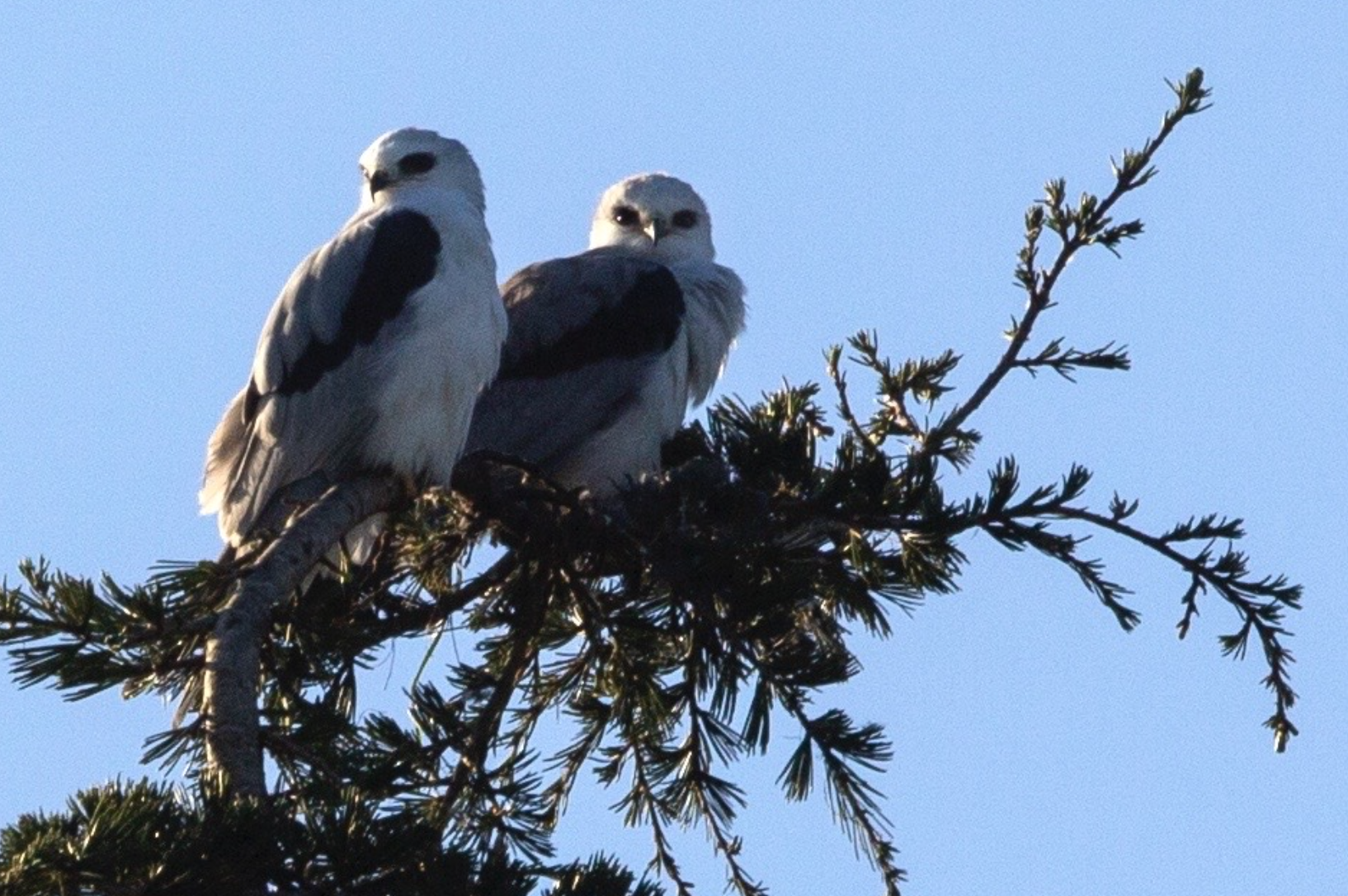
We are lucky to share our coast — and Wavecrest Open Space — with a rich variety of raptors - including barn owls, red-tailed hawks, white-tailed kites, kestrels, and other raptors that help keep rodent populations in balance. Watching these birds hunt and soar is part of what makes our community special.

Sadly, the use of certain rodenticides (rat poisons) can unintentionally harm these birds. When a raptor eats a poisoned rodent, the toxins can build up in their system, leading to illness or death. We’ve recently seen the heartbreaking impact of this in our area.

How you can help protect raptors at Wavecrest and beyond:

  • Avoid second-generation anticoagulant rodenticides (look for active ingredients such as brodifacoum, bromadiolone, difethialone, or difenacoum).

  • Use safer alternatives:

    • Snap traps placed inside secured boxes or areas inaccessible to pets and wildlife.

    • Seal holes and gaps in buildings to prevent entry.
      Keep pet food, garbage, and birdseed stored securely.

  • Choose pest control companies that commit to raptor-safe methods.

By choosing safer rodent control, we can reduce rodent problems without harming the owls and hawks that help protect our ecosystem naturally.

Learn more about raptor-safe rodent control at  https://raptorsarethesolution.org/

Thank you for helping protect the wildlife we all cherish!!

Photo credit: Tina Mills ( White-tailed kites in Wavecrest Open Space) - Thank you, Tina!

Wavecrest: A Coastal Gem in the Spotlight

Aerial view of the cypress tree tunnel near Poplar Beach cliffs in Half Moon Bay, Calif. SawBear/Getty Images/iStockphoto- (Featured in August SFGATE)

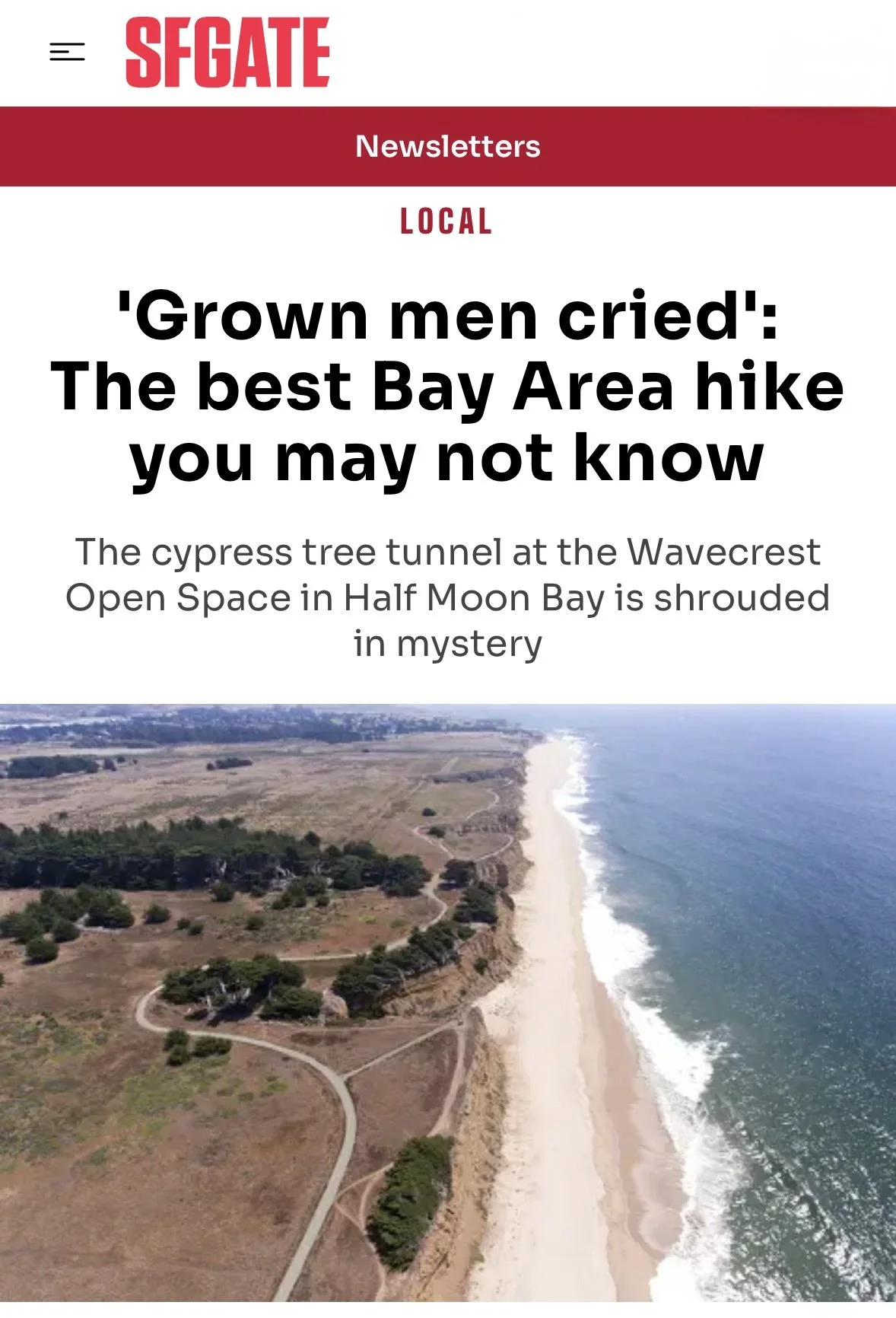
Wavecrest Open Space is one of the Coastside’s most beloved places — where windswept grasslands meet ocean bluffs, raptors soar overhead, and the iconic cypress tree tunnel welcomes walkers year-round.

This month, SFGATE shined a spotlight on Wavecrest as one of the Bay Area’s best hikes you might not know about, exploring its history, wildlife, and the magic that makes this place so special.

Read the full article here: Wavecrest is the best Bay Area hike you’ve never heard of — here’s why

Coastside Land Trust is working to enhance public access and protect sensitive habitats with 2.3 miles of new gravel trails, improved beach access, parking, restrooms, and features for universal accessibility. These updates will keep Wavecrest both welcoming and wild.

Learn more about the Wavecrest Trail Expansion Project, and come visit, explore, and experience the magic for yourself — and to support the ongoing work that keeps this coastal treasure thriving.

Deer Beds from the Sky

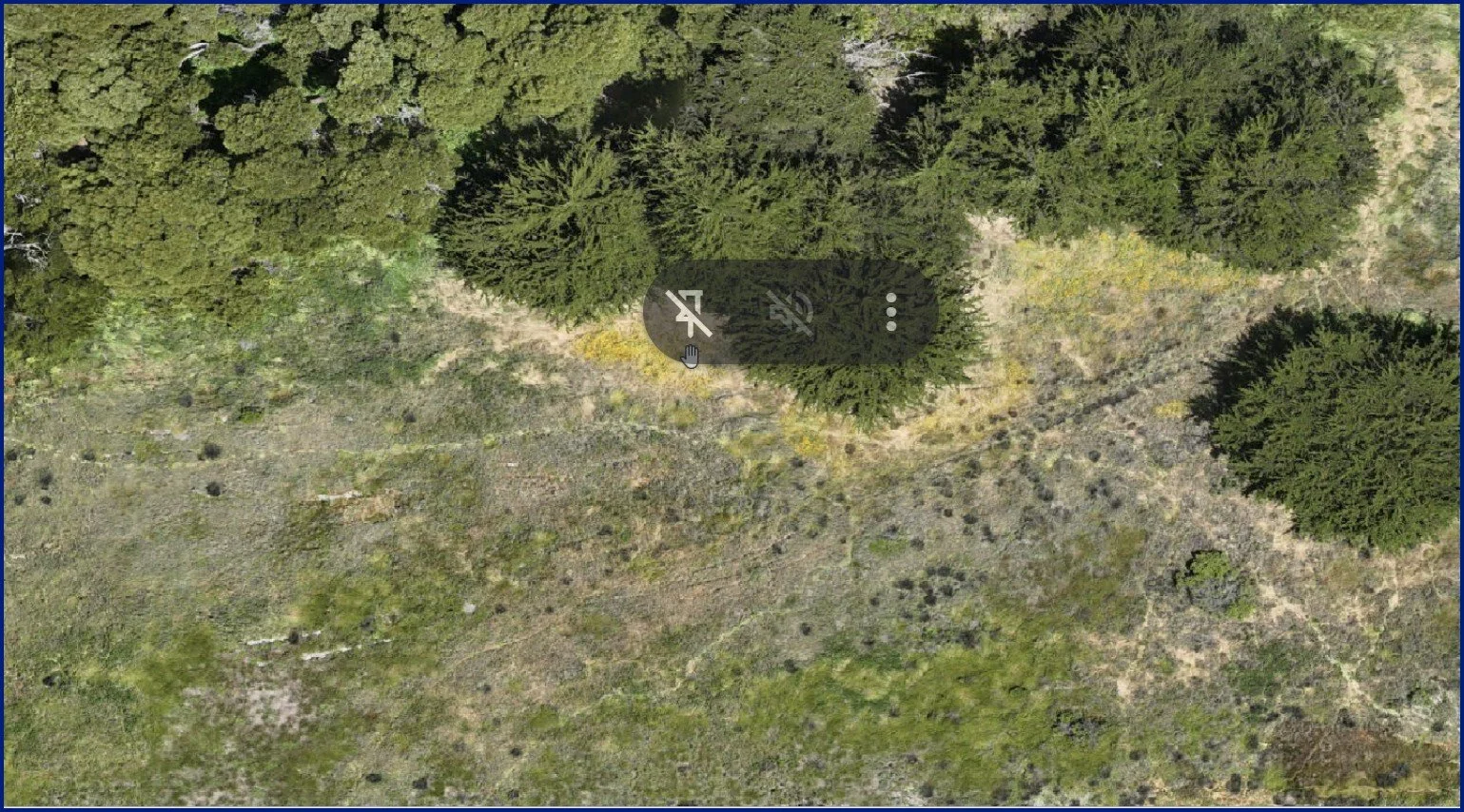
Ever wondered what the forest looks like from a laser’s point of view? This image of Smith Forest at Wavecrest was captured using LiDAR—a technology that uses pulses of light to create high-resolution 3D maps of the ground.

We use LiDAR to help monitor our Wavecrest Open Space property, but during a recent scan, something caught our eye. The lighter patches in the grass weren’t random—they’re deer beds, the cozy spots where deer curl up to rest.

It’s a rare and fascinating glimpse into wildlife habits, revealed not by a trail camera, but by lasers from above. Nature’s patterns are everywhere—you just have to know how to look.

Please help support the important work of the Coastside Land Trust and the wildlife that depends upon it.

Donate Today

Wavecrest Coastal Trail Expansion Update – Week 2

This week, the construction team made steady progress on Phase One of the trail and restoration project. Crews finished preparing the main staging area in what will eventually become the eastern parking lot, and test excavation of the trail path was a success! With that green light, the team completed excavation of the designated trail segment connecting and winding between the future parking areas.

Next week crews will begin clearing a new section of the designated trail along the south side of the ravine. This work will be done using a mower or masticator to safely clear vegetation.

Please note: This new trail segment overlaps with an existing casual trail that will be temporarily closed for 2–3 hours, likely on Tuesday morning, August 12. The closure will be clearly marked on site, and we appreciate your patience as we move this project forward with care for the land and safety in mind.

If You Want To learn More?
Check out the webinar recording, in which Coastside Land Trust's COO and Trail Project Manager, Sara Polgar, provides an in-depth overview of the trail improvements—including parking, amenities, beach access, habitat restoration, and erosion control.

Wavecrest Trail Webinar Recording

Keep Updated...
Projects like this take time, vision, and a deep respect for both land and community—and we’re excited to share this journey with you. We’ll be doing our best to keep the community updated throughout construction. You can follow the progress and learn more on our Wavecrest Trail Updates page

Wavecrest Trail Updates

Please help to support this important work—and help preserve, protect, and steward our shared open space:

Donate today