
Something remarkable bloomed in classrooms across the Cabrillo Unified School District this week.
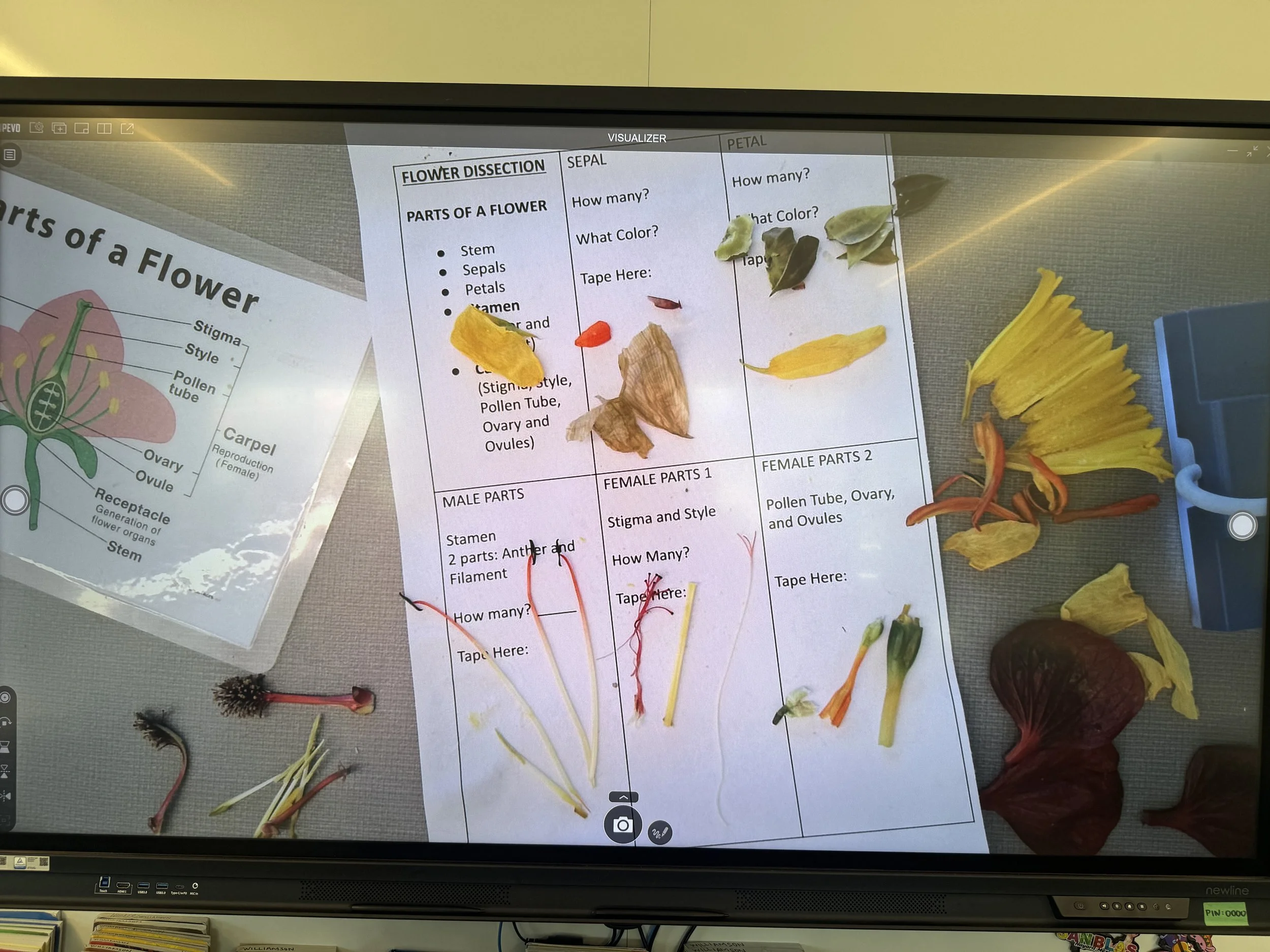
Fourth grade students at all four elementary schools became young scientists as they carefully dissected flowers — petal by petal and part by part — uncovering the extraordinary biology hidden inside every bloom.
This hands-on lesson was months in the making. Since October, students in Coastside Land Trust’s Junior Land Stewards program have helped build pollinator gardens across seven classes, planting nearly 1,000 native plants. Along the way, they’ve studied the many pollinators that sustain our coastal ecosystems — from bees and butterflies to beetles and hummingbirds — and discovered the essential role each plays in helping plants reproduce. The flower dissection was a natural next step: to understand pollination, you first have to understand the flower itself.
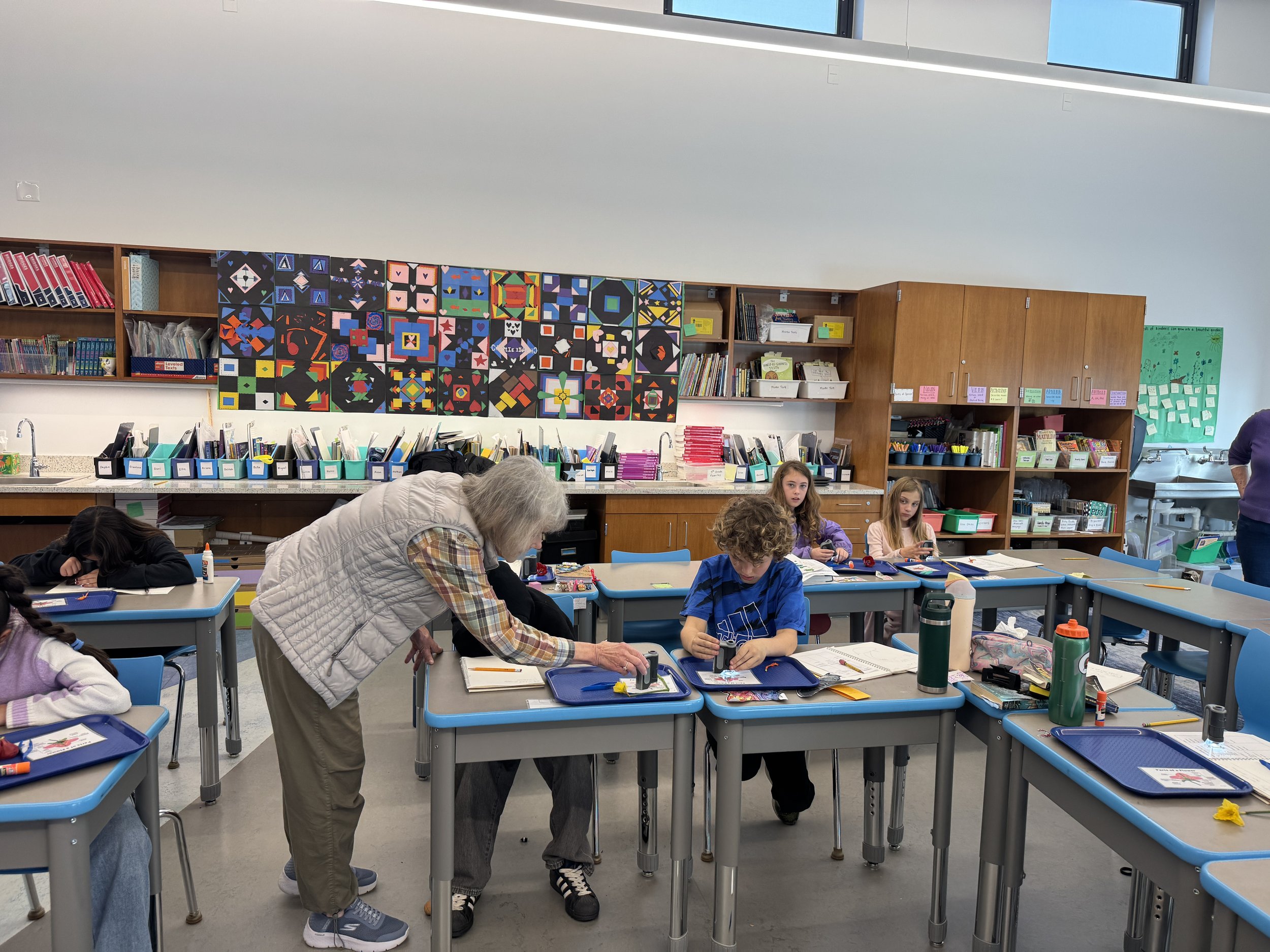
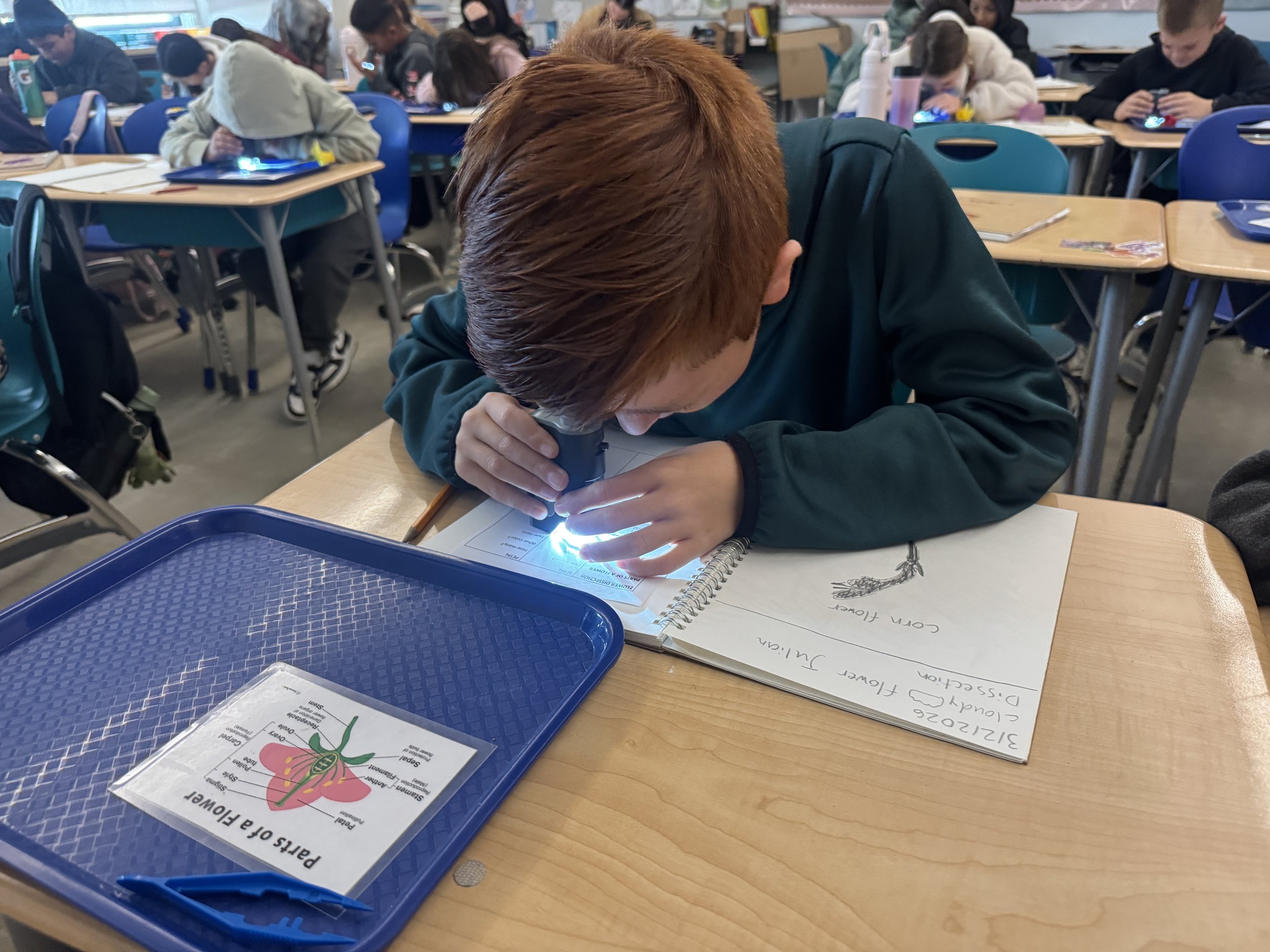
During the lab, students removed and examined each part - petals, sepals, stamens, and the central pistil - learning the name and job of every structure. Stamens are the male parts, producing pollen that pollinators carry from flower to flower. The pistil is the female part, with a sticky stigma at the top to catch that pollen and an ovary at the base where fertilization happens. Then students picked up handheld microscopes and entered another world entirely - suddenly, delicate pollen grains, intricate textures, and structures invisible to the naked eye came into sharp focus, transforming a familiar flower into something almost alien and completely fascinating.
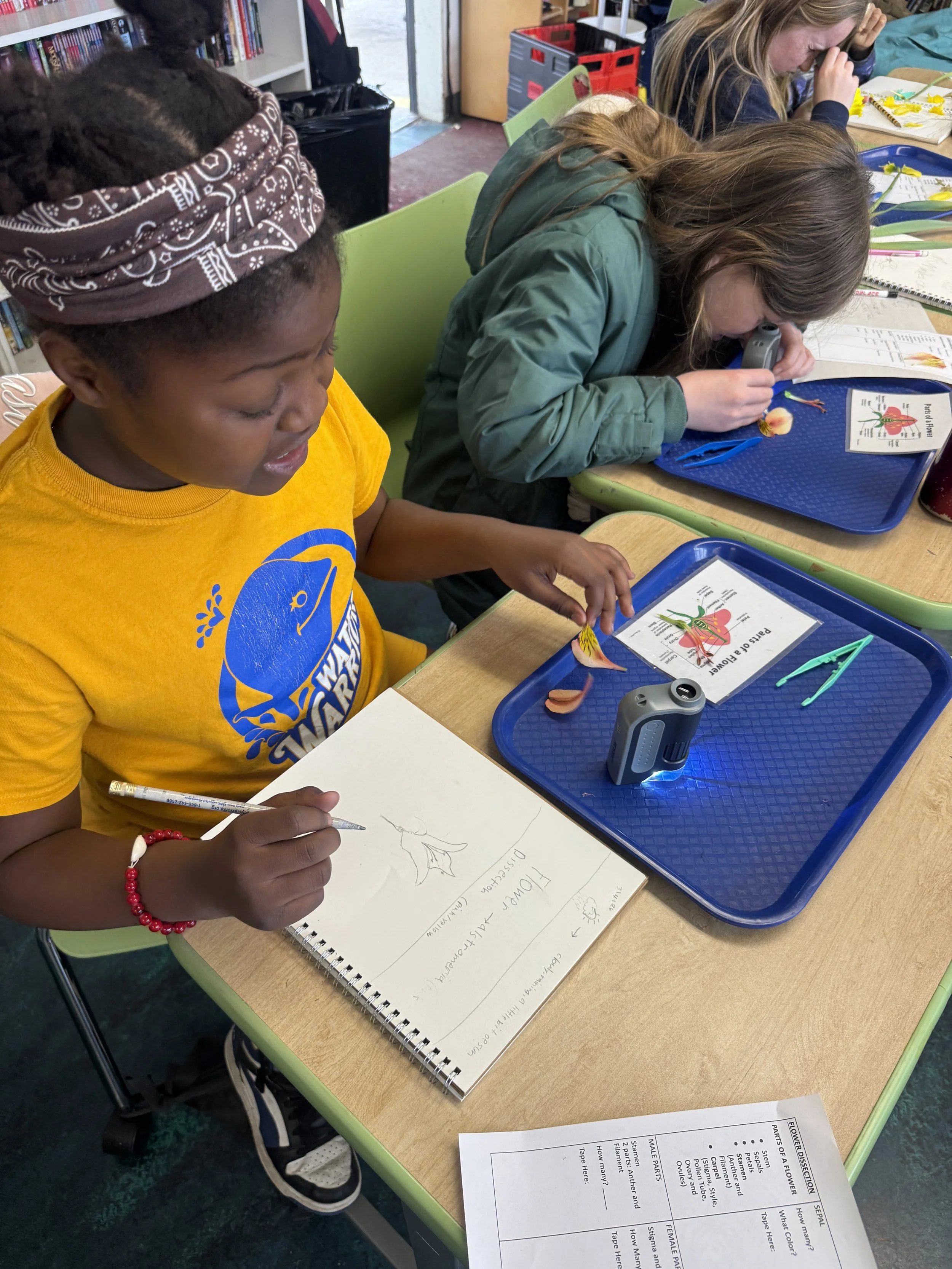
Two discoveries stopped students in their tracks. First, that flowers have both male and female parts in a single bloom. Second - and this one really got them - that flowers have eggs. When students opened the ovary and spotted the tiny ovules inside, the connection between pollinators, flowers, seeds, and food suddenly became real and tangible.
During the dissection, students sketched their flowers, labeled each part on a worksheet, and pressed the flower pieces into their nature journals - a personal record of observation and growing scientific knowledge they'll carry with them all year.
The pollinator garden is growing. So are the scientists who built it.

Thank you to the Maxwell/Hanrahan Foundation, Cabrillo Unified School District, Granada Community Service District, and everyone who contributed during Coastside Gives for their generous support of this program.
If you would like to help this program continue to grow, please consider making a donation to support the Junior Land Stewards and the ongoing protection and stewardship of our precious open spaces.