

If you’ve walked the bluffs at Wavecrest on a clear evening, watched a red-tailed hawk drift over the fields, or caught the soft glow of soap plant blossoms opening at dusk, you’ve experienced something Sara Polgar hopes everyone gets to feel: connection — connection to land, connection to community, connection to something larger than ourselves.
As Coastside Land Trust’s Chief Operating Officer and the passionate project manager behind the Wavecrest Coastal Trail extension, Sara’s work is rooted in that simple idea.
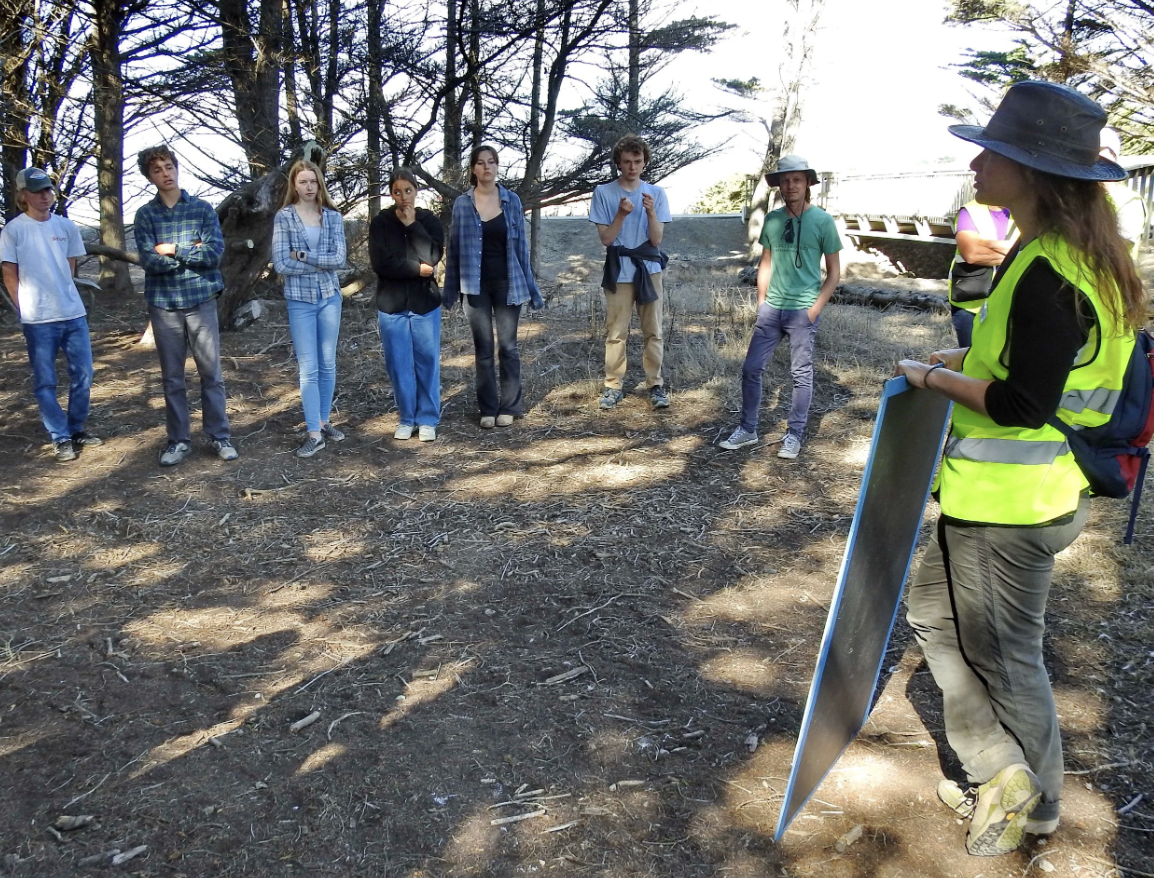
Sara Polgar with the HMBHS Junior Land Stewards field guides.
Finding Home on the Coast
Sara grew up in a small rural town on the East Coast, and after studying at Stanford and earning her master’s degree in coastal resource management at UC Santa Barbara, she knew she wanted to land somewhere that felt both coastal and close-knit.
Nearly nineteen years ago, she found that here. “This area had the small-town feel I loved,” she says. “Friends nearby, being able to walk everywhere, spending lots of time outside. It felt like a place where you could really live.” It’s also where she and her friends raised their kids together - more like siblings than neighbors- with open space as their shared backyard.
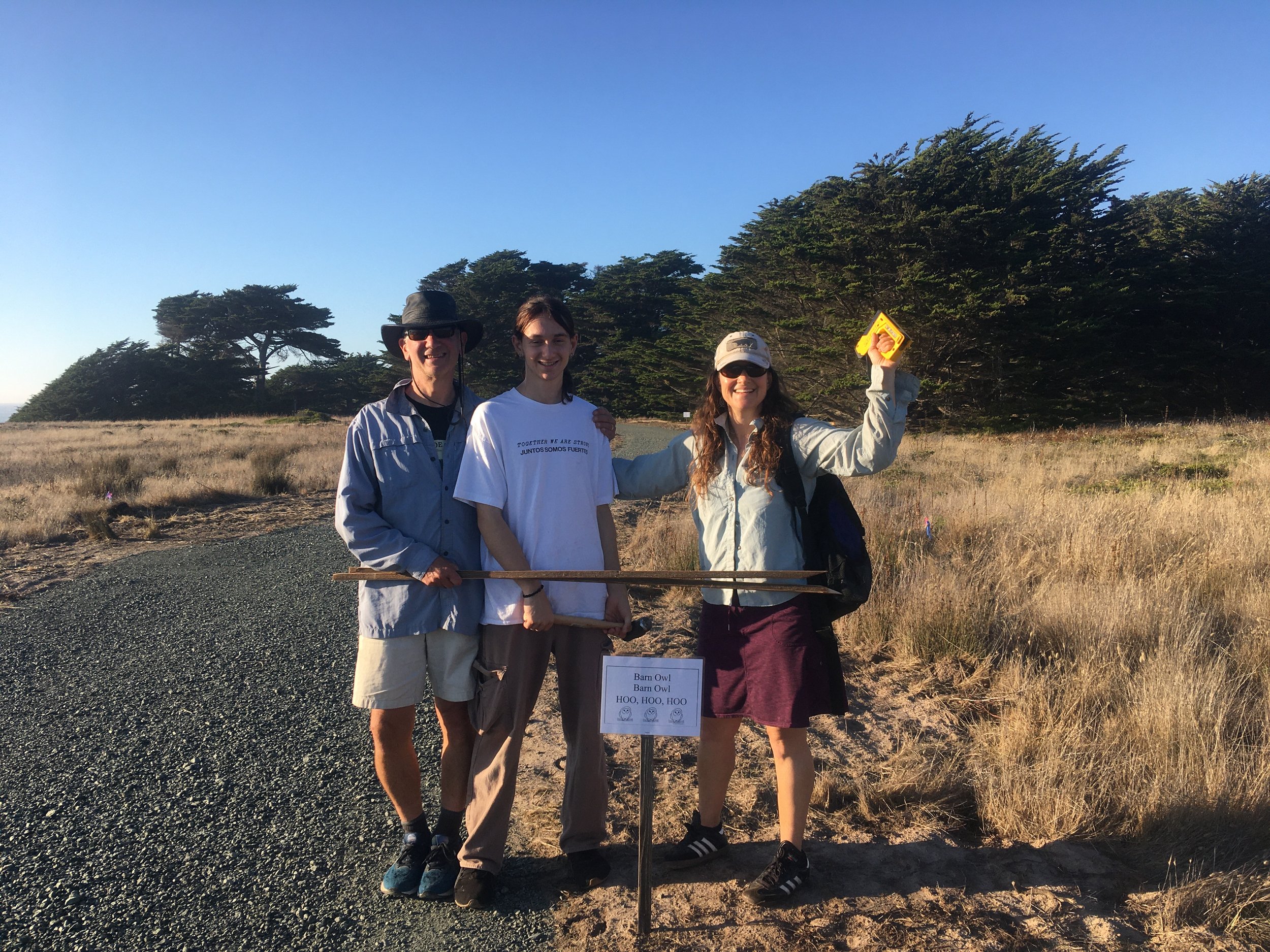
Sara with her family on the Coastal Trail.
From Planning to Doing
Sara’s career began in the world of regional planning for coastal access and sea level rise adaptation for San Francisco Bay - important work, but often slow-moving and without the satisfaction of following through on plans. That insight led her to focus more locally in her career and volunteerism. For almost ten years at the San Mateo Resource Conservation District, she did “boots on the ground” work on the Coastside, fixing erosion issues, restoring habitat and improving water quality in coastal creeks.
Meanwhile, Sara joined the Coastside Land Trust board in 2011, drawn to the organization’s hands-on stewardship and tangible impact. Today, as COO, she helps guide everything from natural resource management and restoration projects to trail planning, grants, and programs like the Junior Land Stewards. “It’s work that leads to action on the land,” she explains. “You can actually see the difference.”
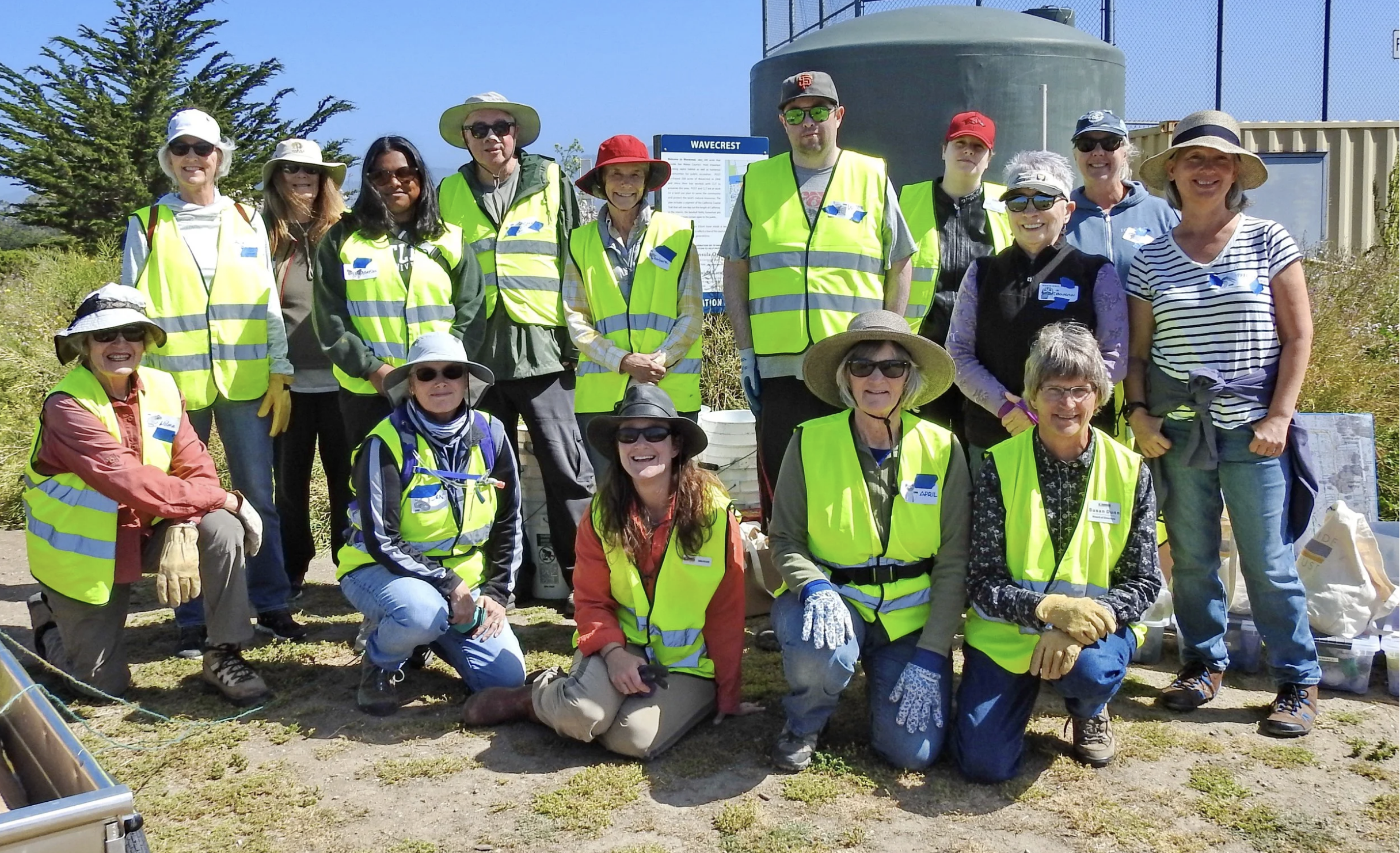
Sara leading one of her many habitat restoration projects.
Why Protected Spaces Matter
For Sara, coastal open space is both ecological refuge and community commons. These lands protect habitat for raptors, native plants, and fragile ecosystems. They also serve as gathering places for families, neighbors, and visitors - places that are accessible to everyone, regardless of income.
“Public coastal access is protected by law," she says. “Anyone can come here - to walk, play music, sit, watch the ocean, or dip their feet in the ocean.” She smiles thinking about the everyday scenes: volleyball games in the field, kids wandering trails, families escaping the heat inland for a foggy afternoon at the beach.
“It’s not always shiny and perfect,” she adds. “People can be hard on habitat. Part of my job is figuring out how we make human use and nature more compatible.” That balance, between welcoming people and protecting the land, guides her work on projects like the Wavecrest Coastal Trail Project.
The Magic in the Details
Ask Sara when she feels most connected to Wavecrest, and she talks about the small, unexpected moments: soap plant blossoms glowing at dusk, lying on the ground for a breather during a long day of work at the trail project and smelling the ocean air, a calm moment to sit under the stars listening to frog songs and trading stories with her colleagues on a recent night when the Land Trust hosted an astronomy event. “Those surprises in nature…” she says.
During the pandemic, when the world felt uncertain, open space became even more essential. She watched her seventh-grade child and neighborhood kids bike through the trails, build forts, invent games, and claim the fields as their own. “It was such a reminder,” she says. “Even when everything feels like it’s falling apart, the natural world keeps going. Kids still find freedom and silliness out there.” It reinforced something she already knew: these places aren’t luxuries. They’re lifelines.
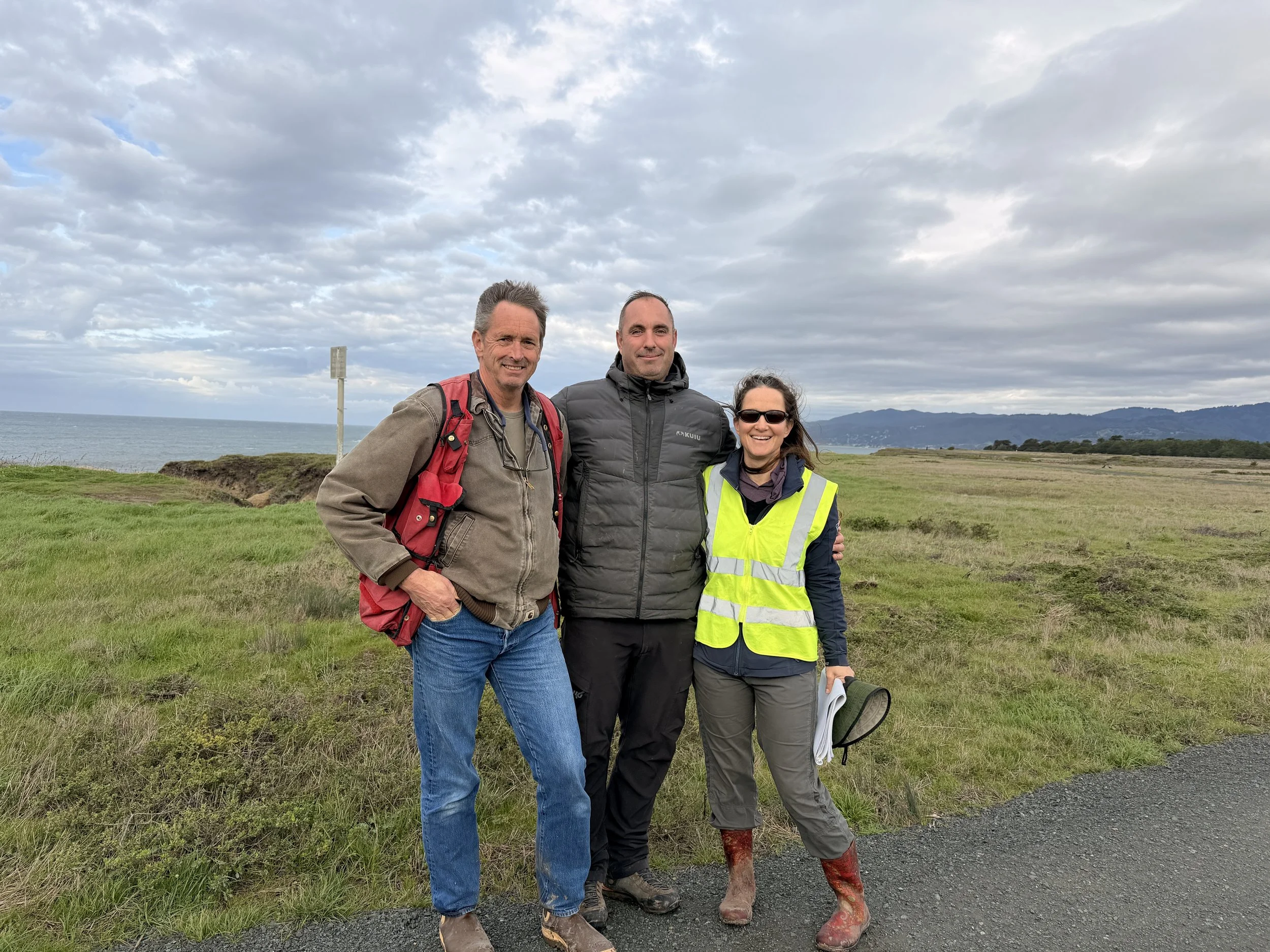
Sara with fellow Wavecrest trail extension visionaries.
Looking Ahead
As the Land Trust grows, Sara sees a future with deeper stewardship - larger-scale restoration projects, stronger habitat support, and more education through programs like Junior Land Stewards, and partnerships with local schools. At the same time, the organization’s “bread and butter” remains the same: protecting open space as it becomes available and ensuring it stays accessible for generations. And the work can be slow. Environmental progress often is.
So how does she keep going? “With a sense of humor,” she laughs. “You can’t take everything too heavily. You have to find levity and give people the benefit of the doubt. Most folks are just out here because they want to enjoy being outside.”
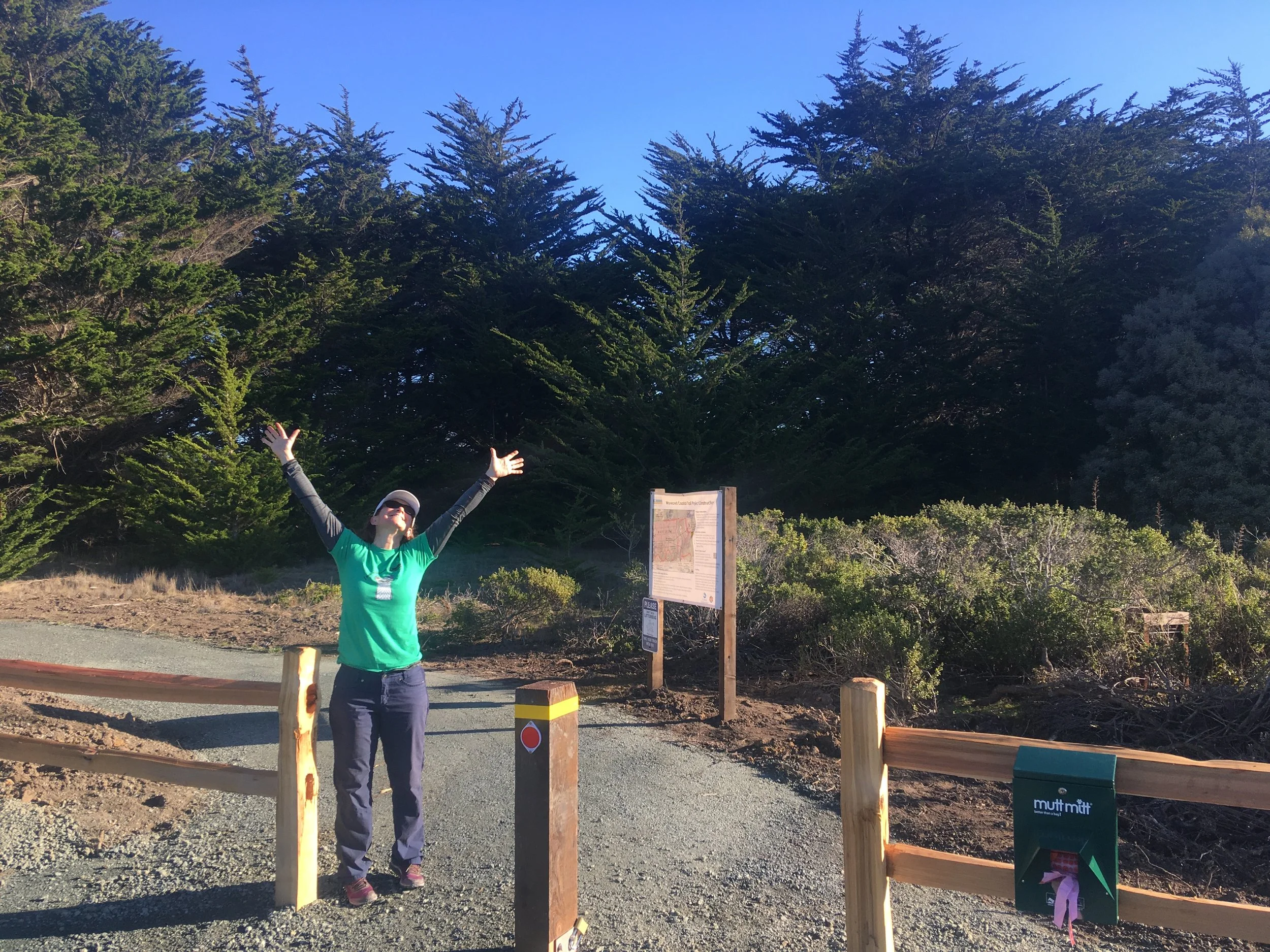
Sara, we are all so grateful for you!
Full Circle
Recently, Sara brought her parents out to see the Wavecrest Coastal Trail in person. It was one of the first projects of hers they’ve ever been able to witness firsthand. And after her dad’s recent hip surgery they were able to take a comfortable walk together on this trail along the bluffs that she has been working so hard on for the past 11 years.
“At 51, I still want to make my parents proud,” she says, smiling. Sharing that walk - showing them the path she helped shape and the landscape she works to protect - it captures something essential about her work.
These trails aren’t just infrastructure. They’re invitations: to walk, to gather, to heal, to belong. And thanks to Sara’s steady, thoughtful leadership, Wavecrest - and all of the shared Coastside open spaces - will keep offering that invitation to all of us.