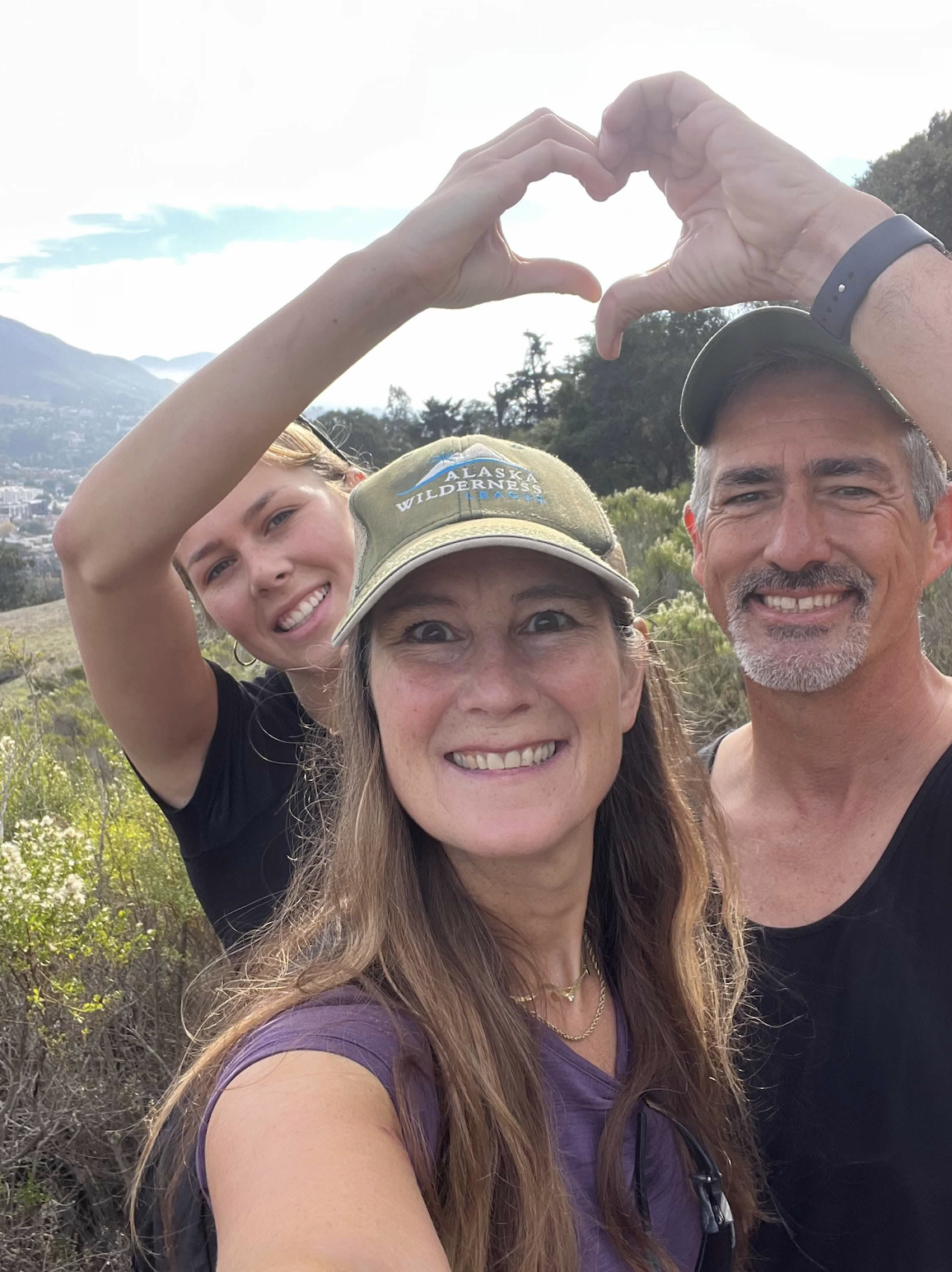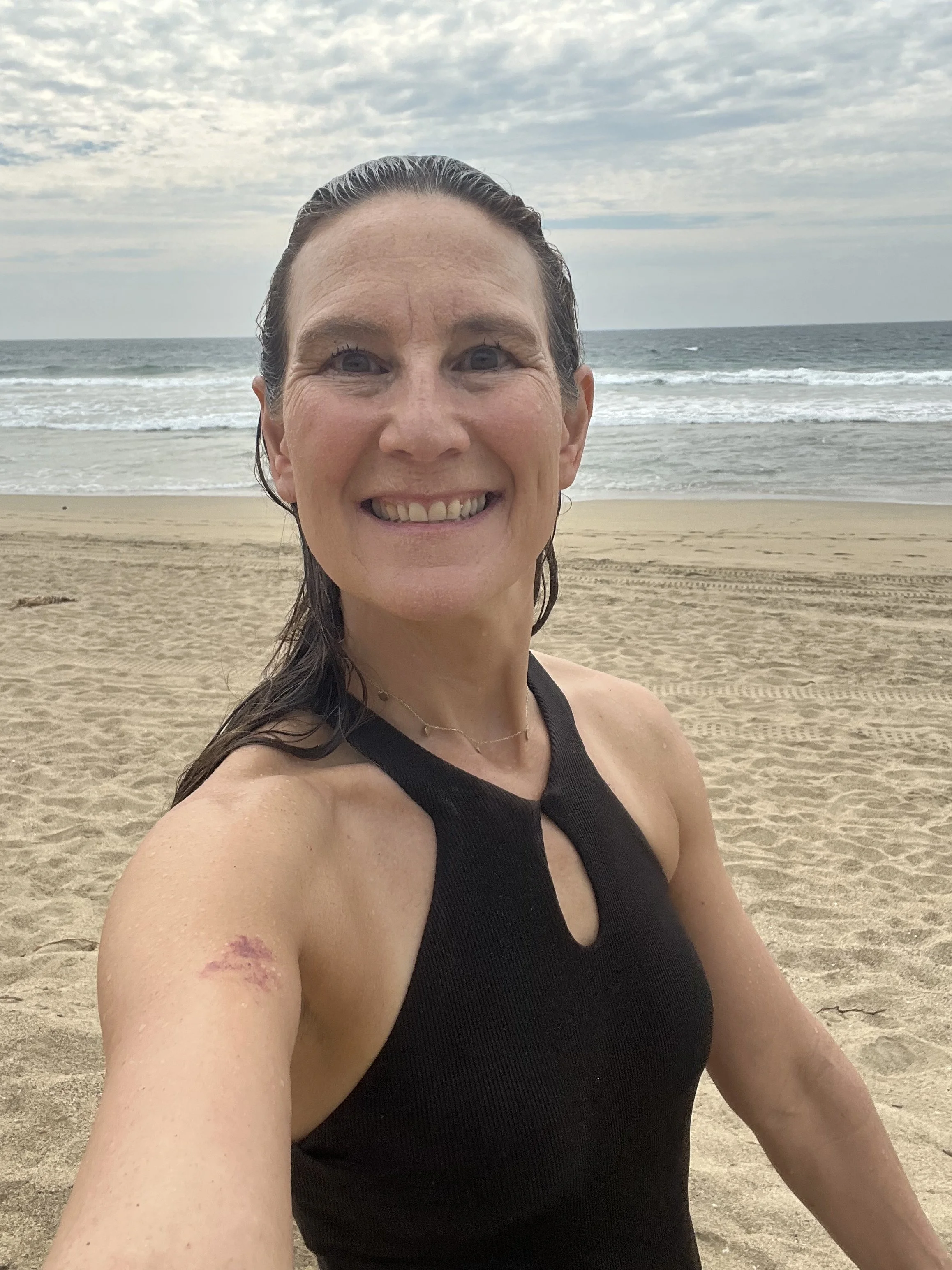
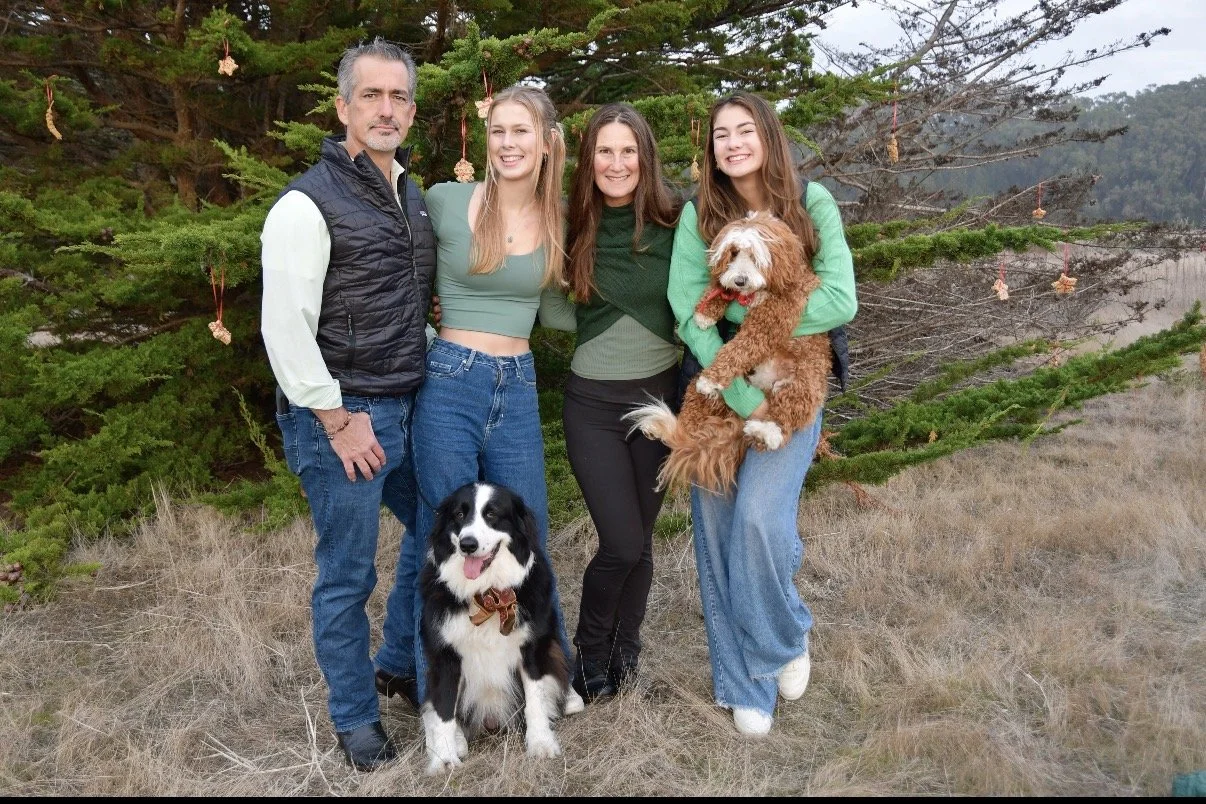
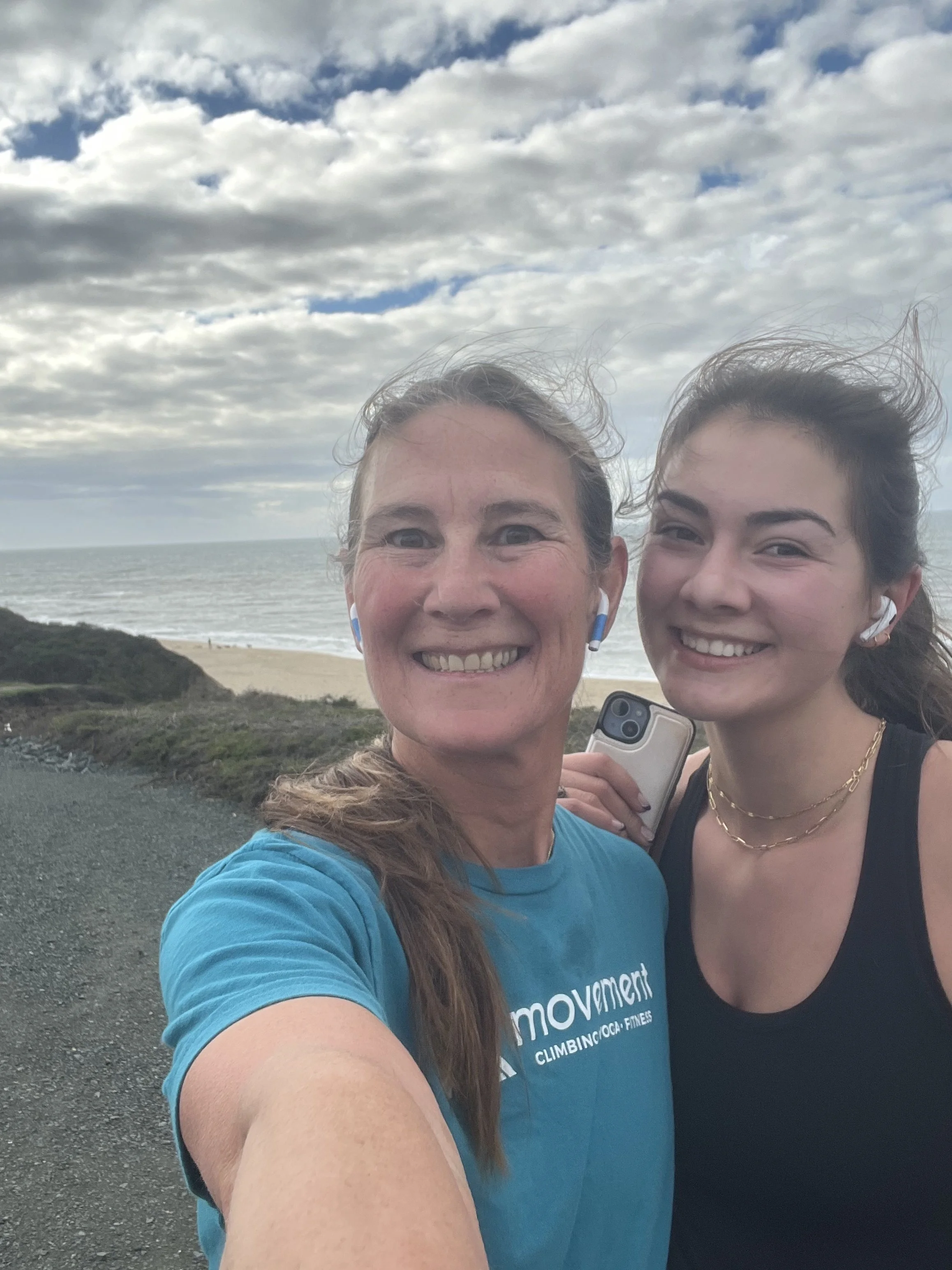
Since moving to Half Moon Bay from Palo Alto in 2007, Hilary Stamper has made the Coastside home for herself and her family. A longtime environmental advocate with more than 20 years of experience in nonprofit communications, fundraising, and social change, Hilary currently serves as Director of Development and Communications at CalWild, working to protect California’s public lands for future generations. Her work has included collaborations with organizations such as Defenders of Wildlife and Oceana, as well as Coastside Land Trust.
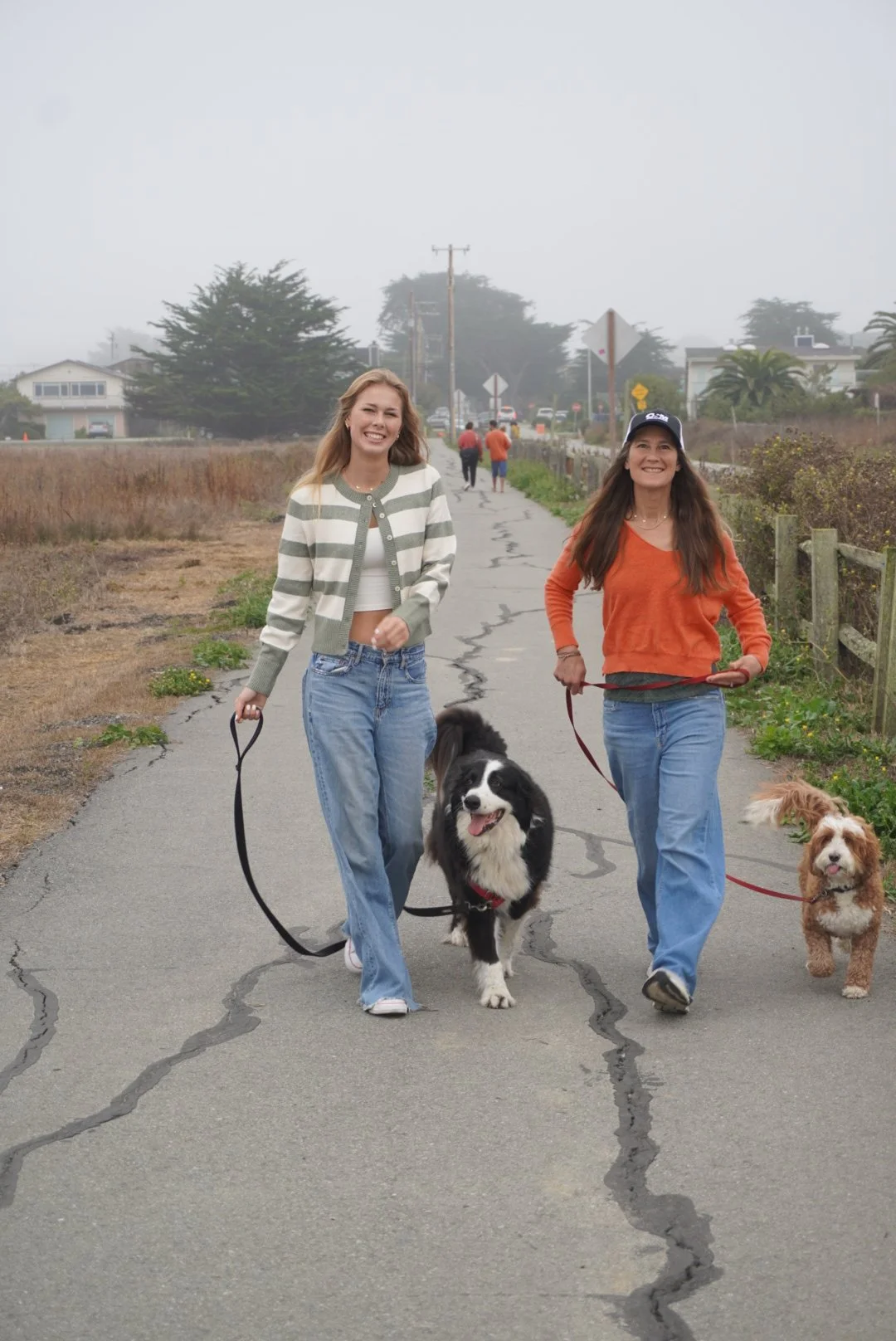
Both professionally and personally, Hilary is passionate about connecting people with the natural world and inspiring them to protect the places they love. In this edition of Voices of the Open Space, she shares what drew her to Half Moon Bay, the importance of keeping our coastal landscapes accessible, and her hopes for the future of the open spaces we all cherish.
For Hilary, the Coastside is more than a beautiful place to live. It is a place to find connection, raise a family, stay grounded in nature, and experience the freedom of an open coastline.
“When you live in Half Moon Bay, in the morning you can be the first footprints on the sand, with wide open skies in every direction,” Hilary says. “At the end of the day, you can see the last of the sun before it sinks behind the ocean. Even if it’s often obscured by fog, I love the last chance to enjoy the light of day.”
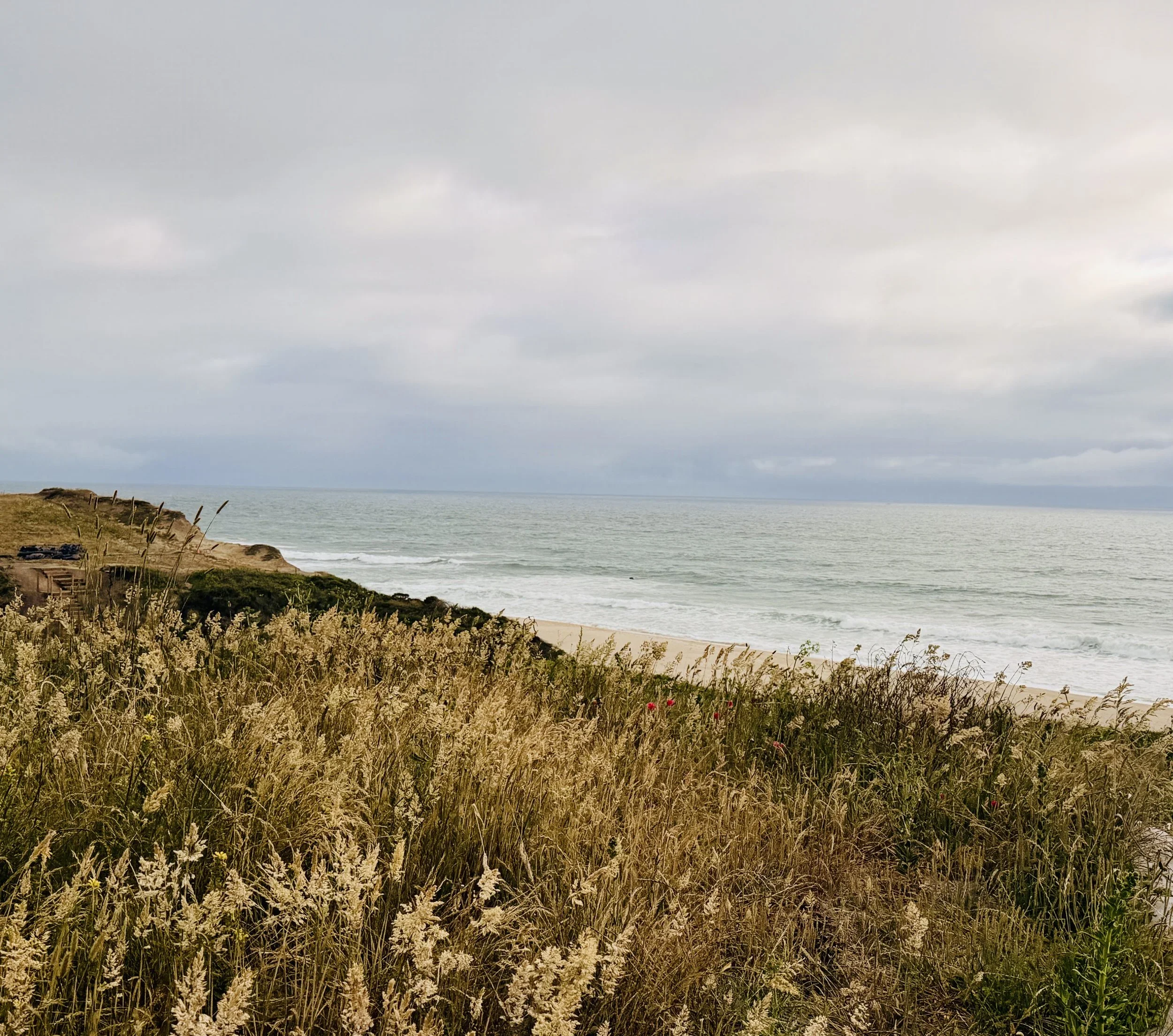
For Hilary, Coastside Land Trust’s protected lands are at the heart of that experience. The California Coastal Trail, with its sweeping ocean views and open landscapes, offers something she finds increasingly rare around the world: free, easy access to a magnificent coastline, unobstructed by private development.
Having spent more than 25 years working to protect landscapes and 5 years on Half Moon Bay’s Parks and Recreation Commission, Hilary understands their value not only for their ecological importance, but also for the well-being of the people who live among them. On the commission, she has focused in part on ensuring our coastal trail and beaches get the attention they need for enjoyable recreation and the survival of our wildlife.
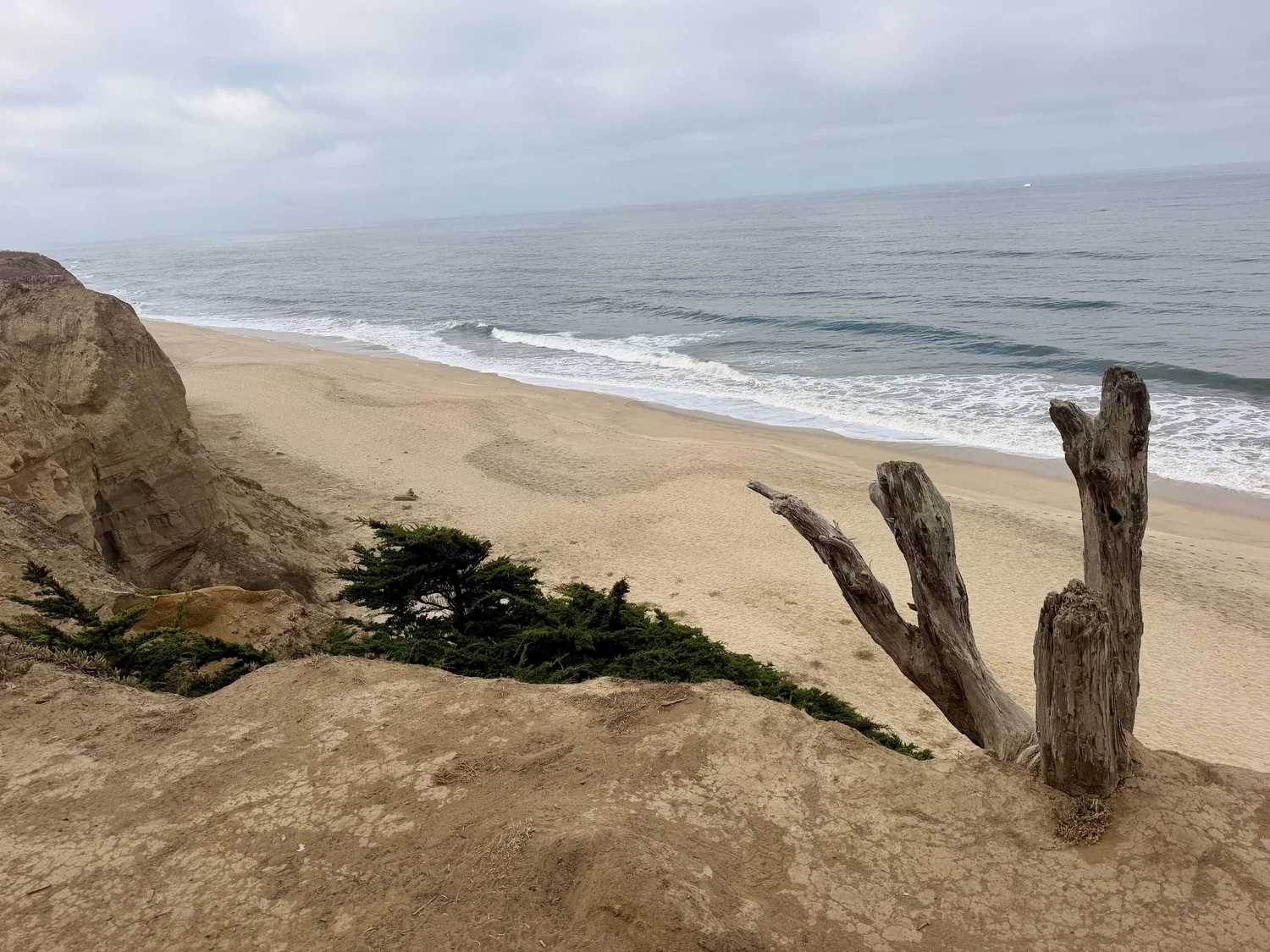
When she first moved to Half Moon Bay, a fight to develop Half Moon Bay’s general plan could have put risky development on our blufftops. She co-founded Friends of the Coastal Trail to educate neighbors about the risks. Together, speaking out over email and in city council meetings, this movement helped change the direction of the general plan and focus development away from Half Moon Bay’s blufftops and towards the downtown core.
“I have worked for more than 25 years to protect the landscapes that nourish people’s souls and bodies,” she explains. “The ability to share them with our neighbors and visitors not only brings us closer to one another, but gives us peace of mind and a place to live a healthier lifestyle.”
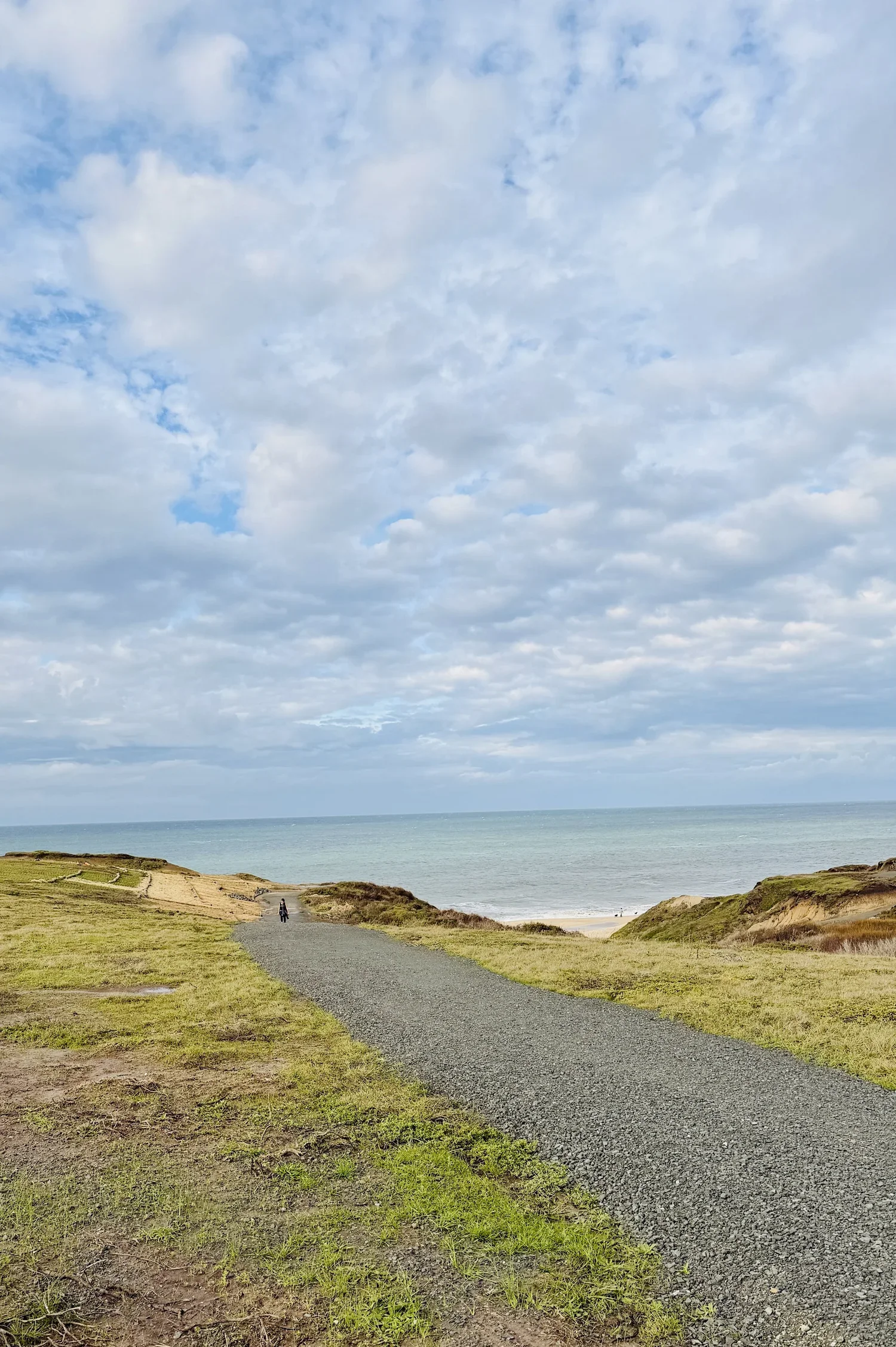
Hilary sees public access and habitat protection as complementary goals, rather than competing priorities. She believes conservation has sometimes overlooked the important role people can play in caring for the land.
“We hurt ourselves in the long run by limiting who can be on the landscapes we need people to love to garner the support we need to protect them,” she says.
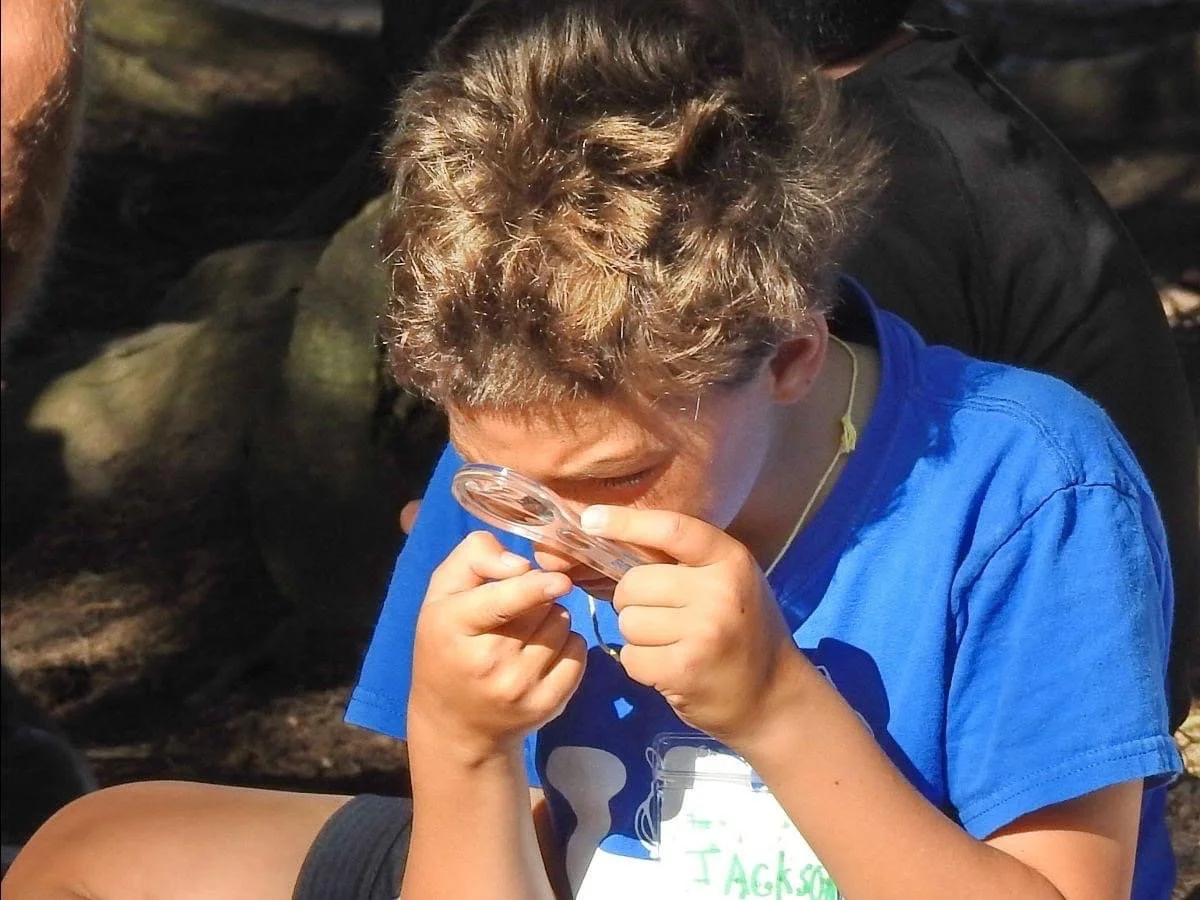
For Hilary, welcoming people into natural spaces means finding creative ways to encourage stewardship while managing the impacts of heavy use. When people develop a personal connection to a place, they have a greater appreciation for its value and a stronger reason to protect it.
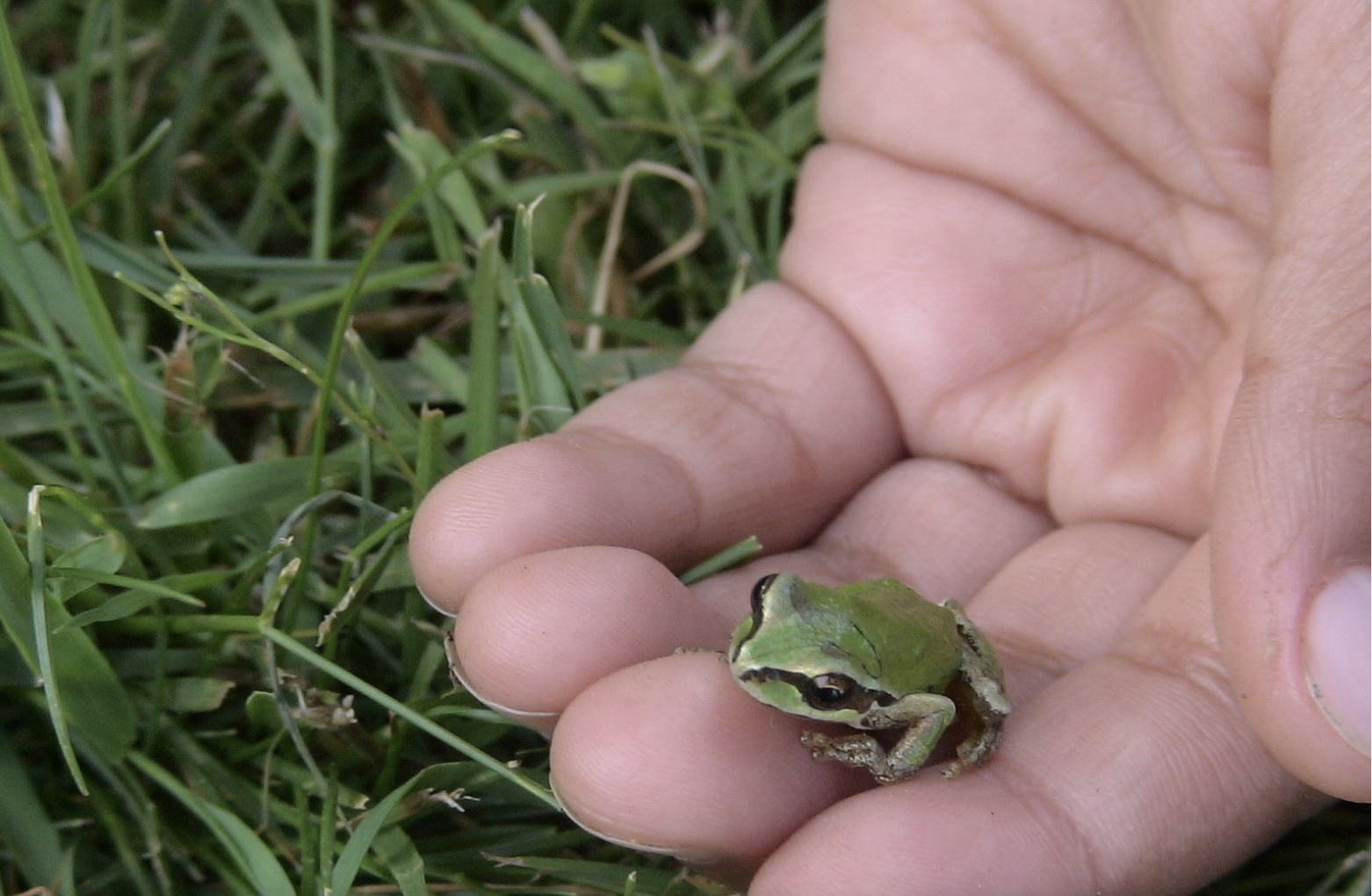
This is why she was so delighted to be part of the pilot work to launch Junior Land Stewards at CLT. Initially launched with Sea Crest School, she brought second grade students out to the blufftops to look for frogs, making observations about their habitat and document their discoveries in nature journals. “I love to watch children in nature. They come alive on the landscape…Some enjoyed the free-footed skipping from place to place, others the peaceful calm, but of course everyone loved the tiny little froglets we found.”
She also recognizes the importance of preserving room for nature to change. The Coastside’s undeveloped landscapes offer flexibility as the coastline responds to erosion and climate change—something that can be lost when land is permanently developed.
“This is such a treasure,” she says of the Coastside. “You can go to so many coasts across the world and so many are locked away in development.”
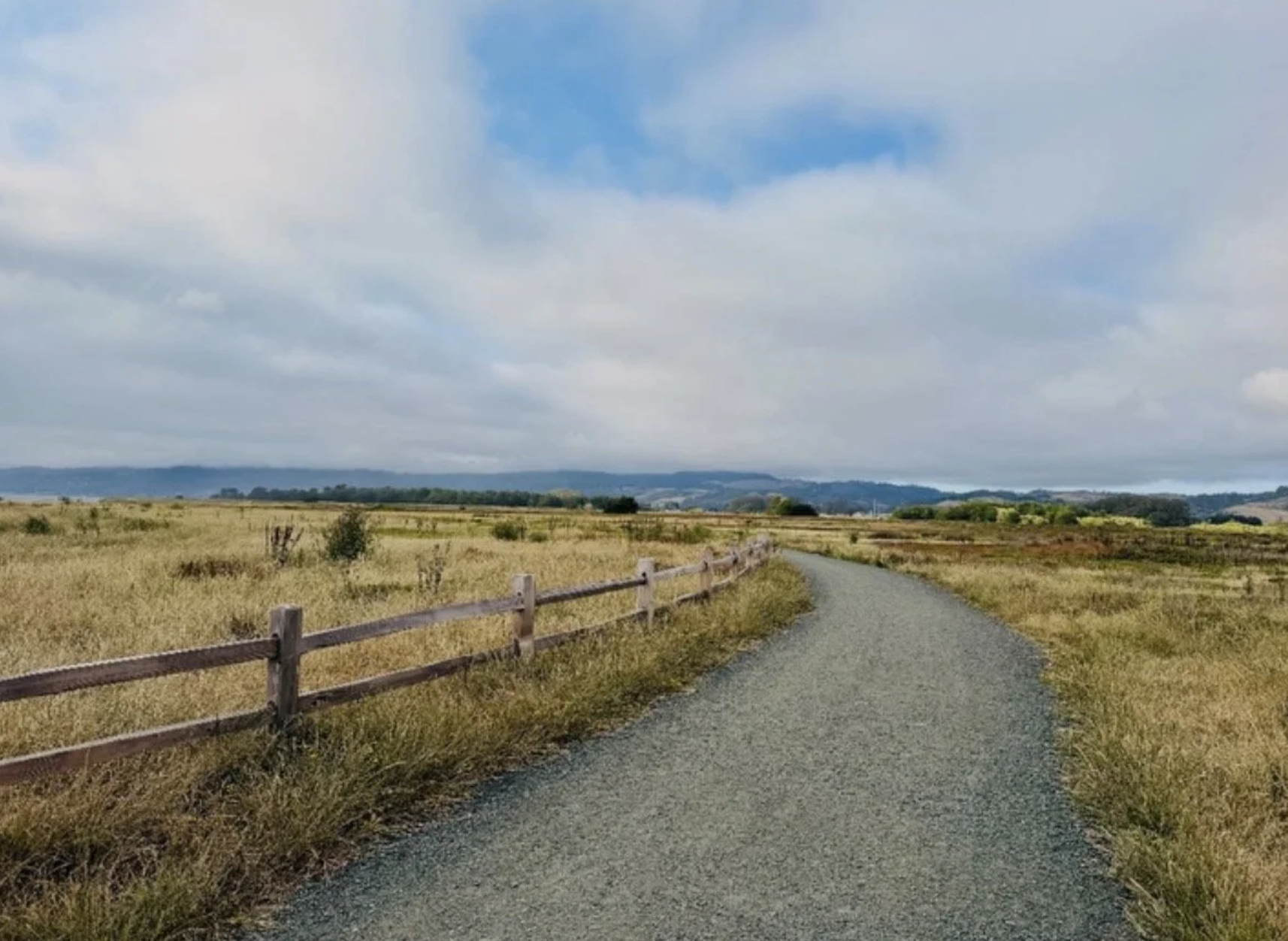
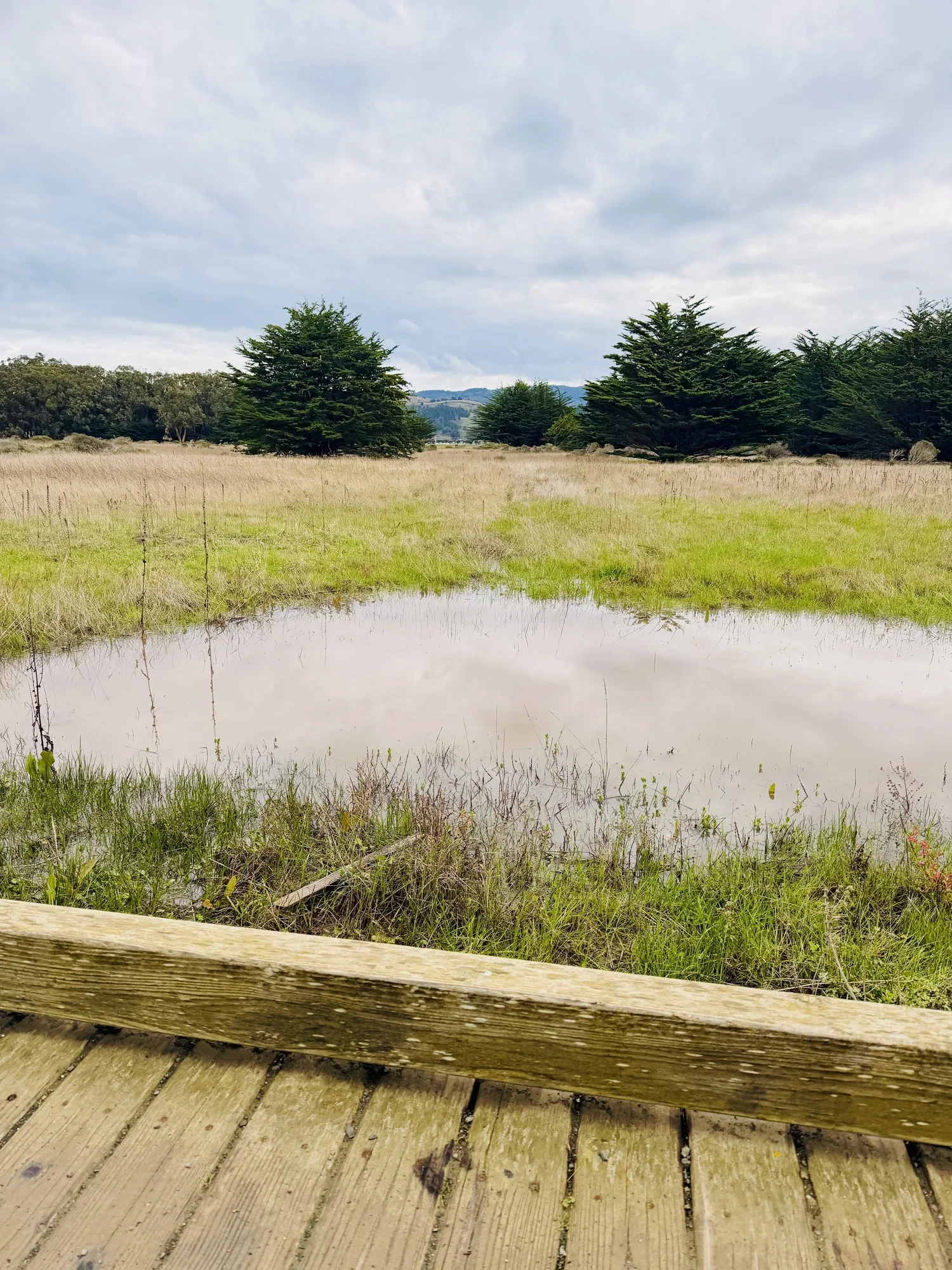
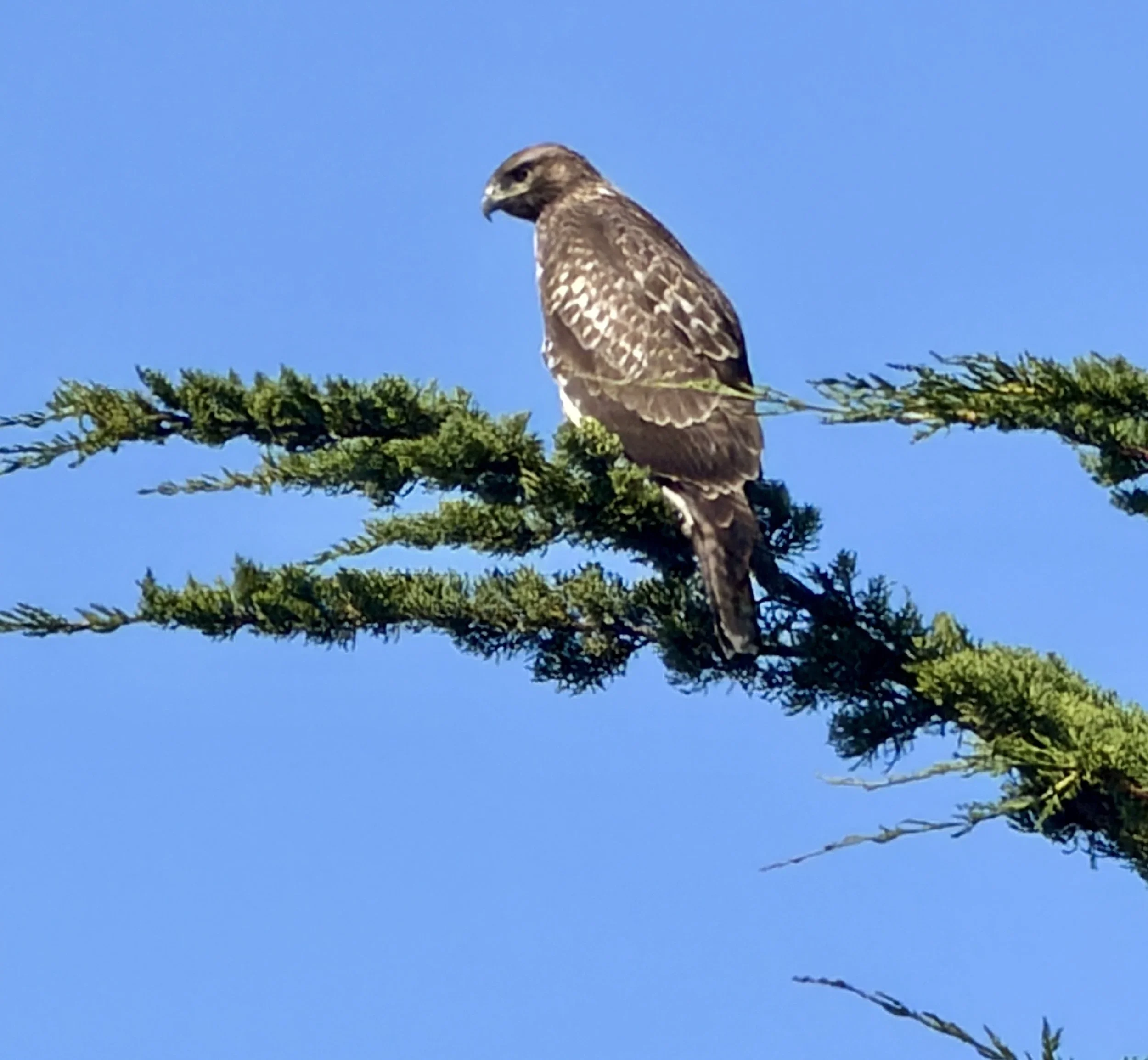
Some of Hilary’s most meaningful experiences on the Coastside are wonderfully simple: running along the trail on a calm day, watching the interplay of fog and sunshine, spotting wildlife, or seeing a hawk swoop overhead.
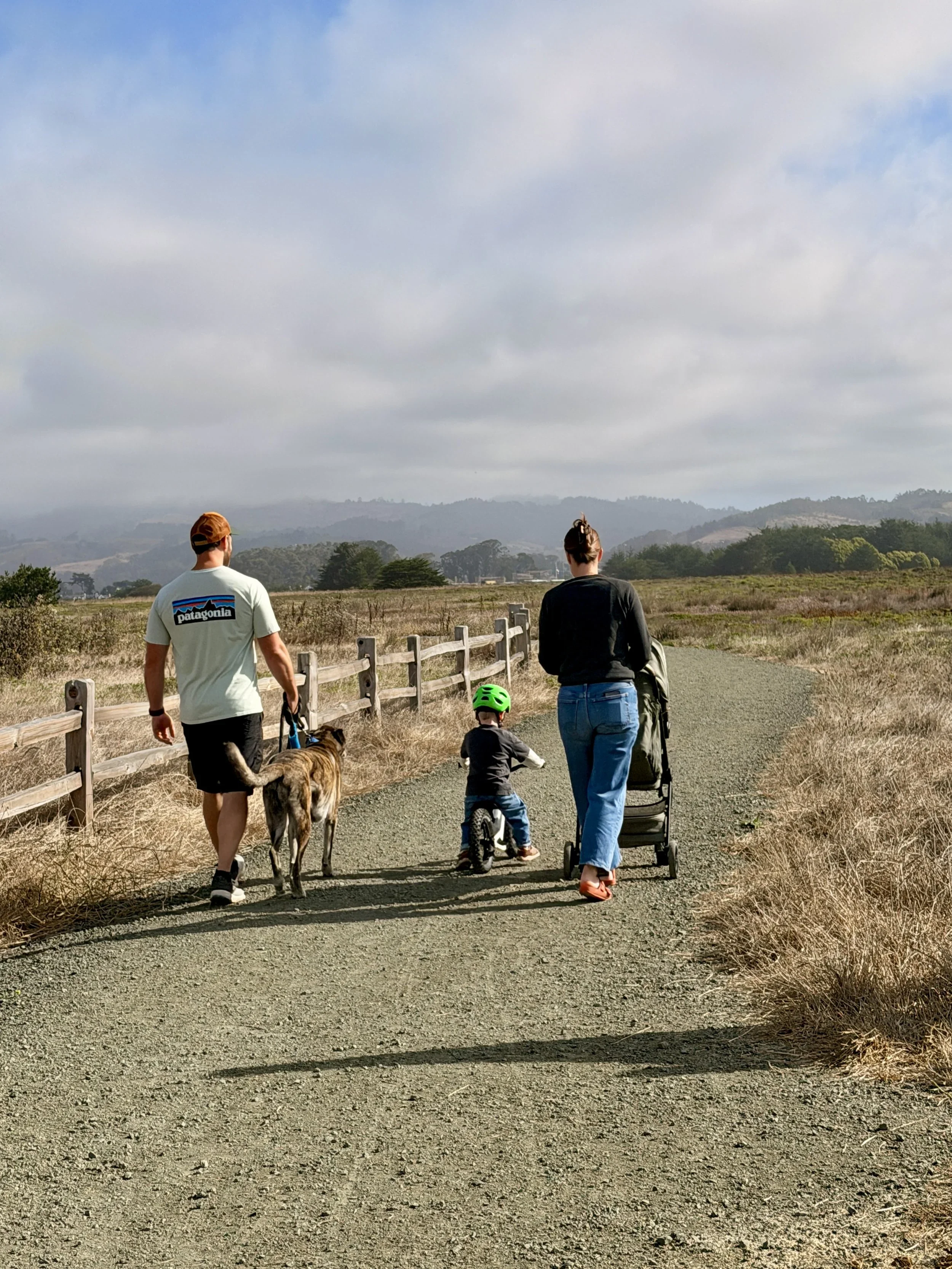
She especially loves the coastal trail, including its bridge over a seasonal wetland and its natural crevices. Among her favorite family memories are the spontaneous moments that come after, or even during, a rainstorm.
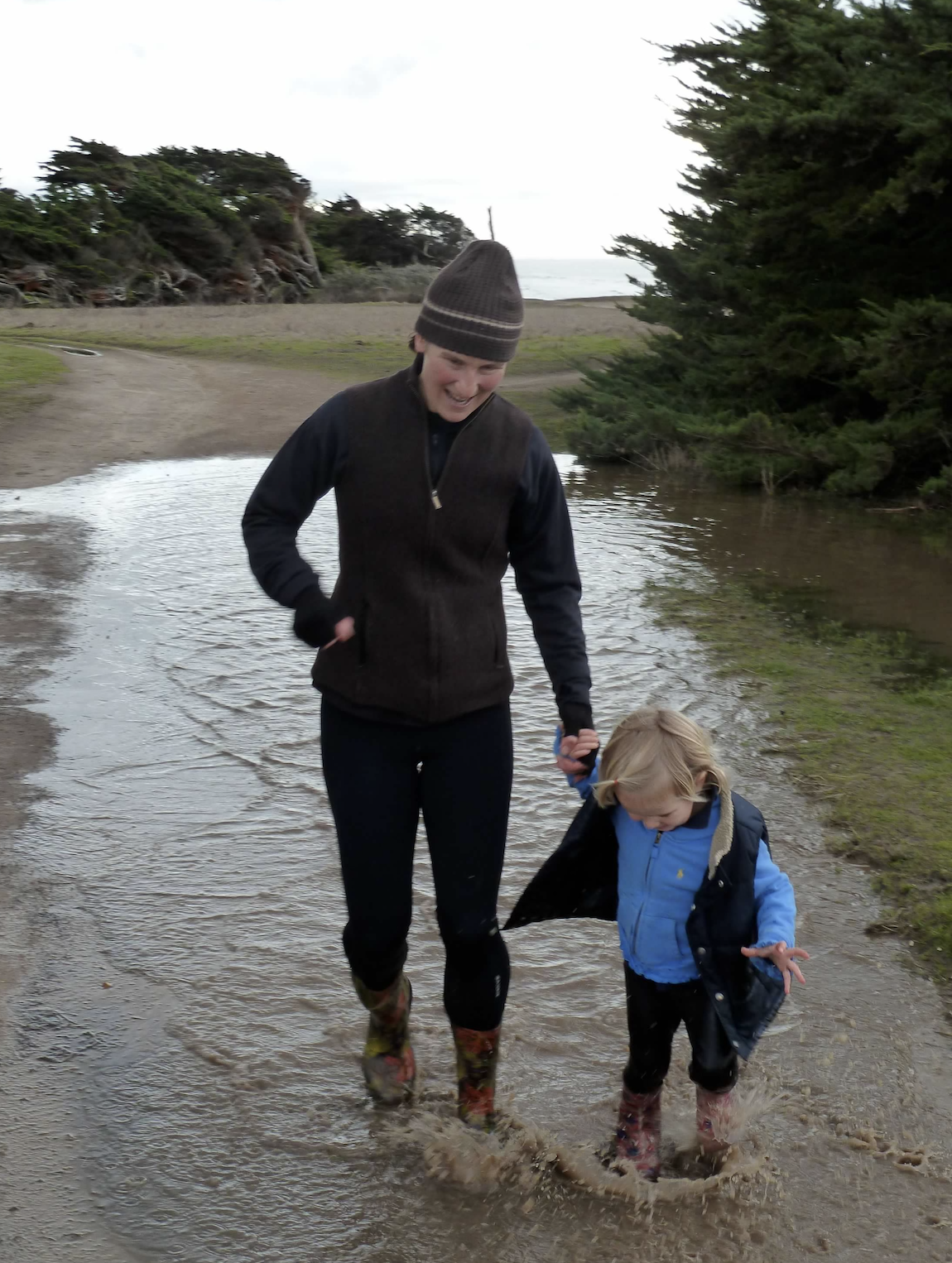
“On very rainy days, I would love to get my children out in the weather. We’d jump in puddles until we were completely soaked and cold, and then come home for warm tea and scones.” And, of course, her annual adventures to find tadpoles with her children led to her work with the CLT Junior Land Stewards pilot project.
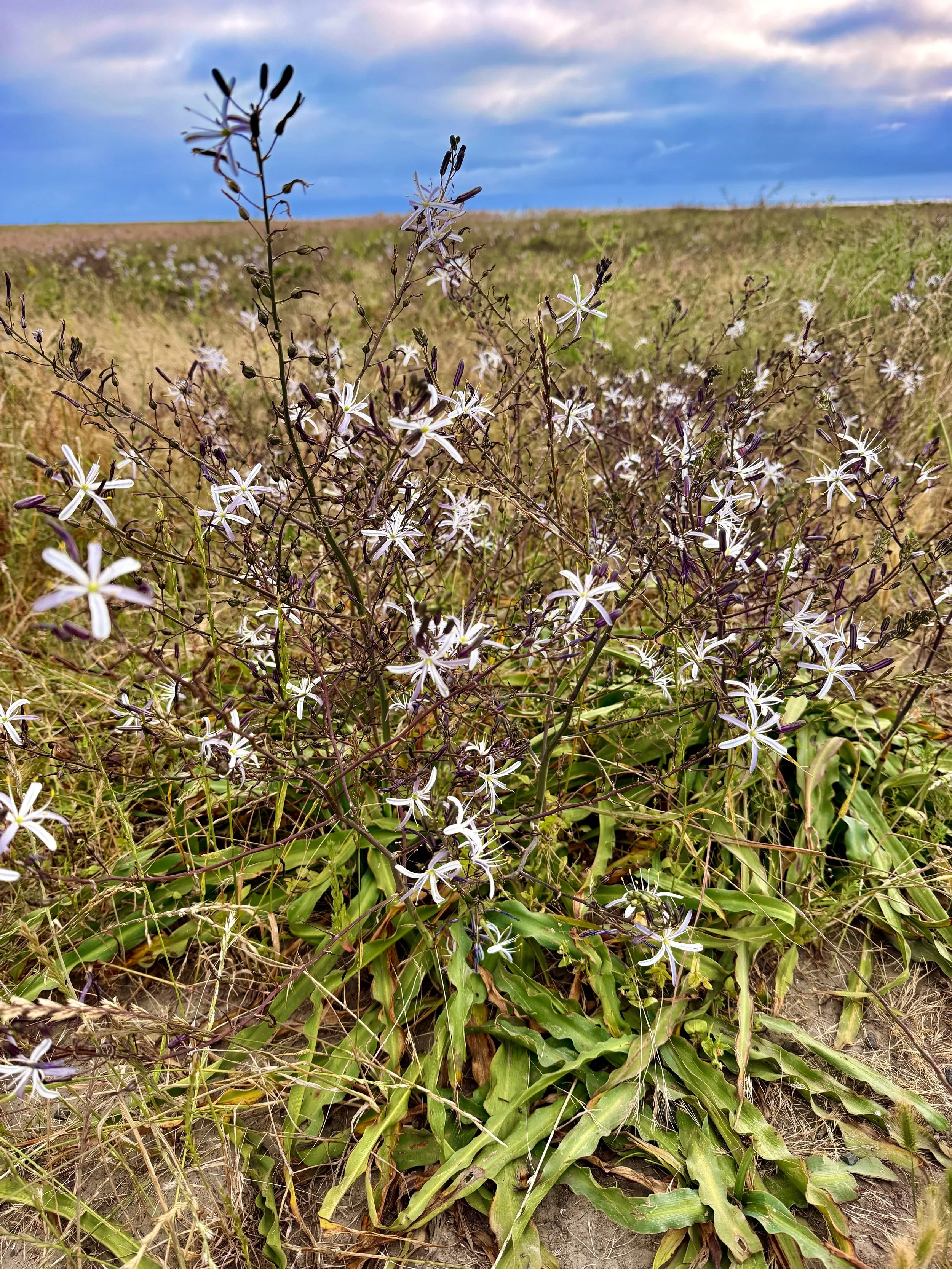
Protecting the environment can be a long and sometimes discouraging undertaking. Hilary acknowledges the challenges, but makes a conscious effort to focus on the good things happening around her.
Time in nature helps restore her energy, while finding opportunities for unfiltered joy provides balance. Two of her favorite ways to step away from the stresses of environmental work? Beach volleyball and line dancing. Both bring her into the company of others and require total focus on the moment.
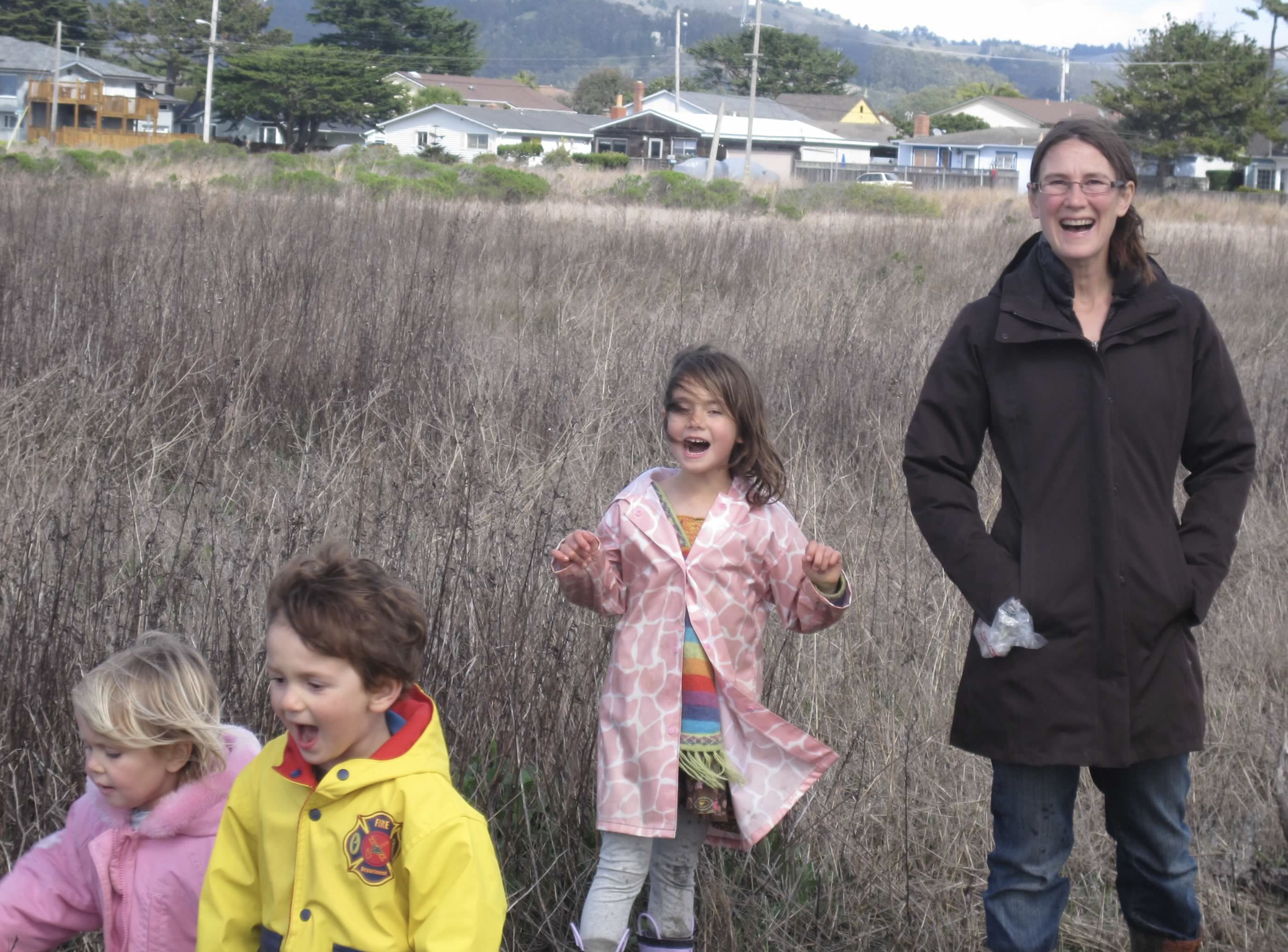
Ultimately, Hilary hopes more people will have the opportunity to experience the Coastside’s extraordinary natural beauty and develop their own connections to it.
For her, the future of conservation depends not only on protecting land, but on building a community that understands its value. Open spaces offer opportunities for healthier lives, shared experiences, and a lasting connection to the natural world.
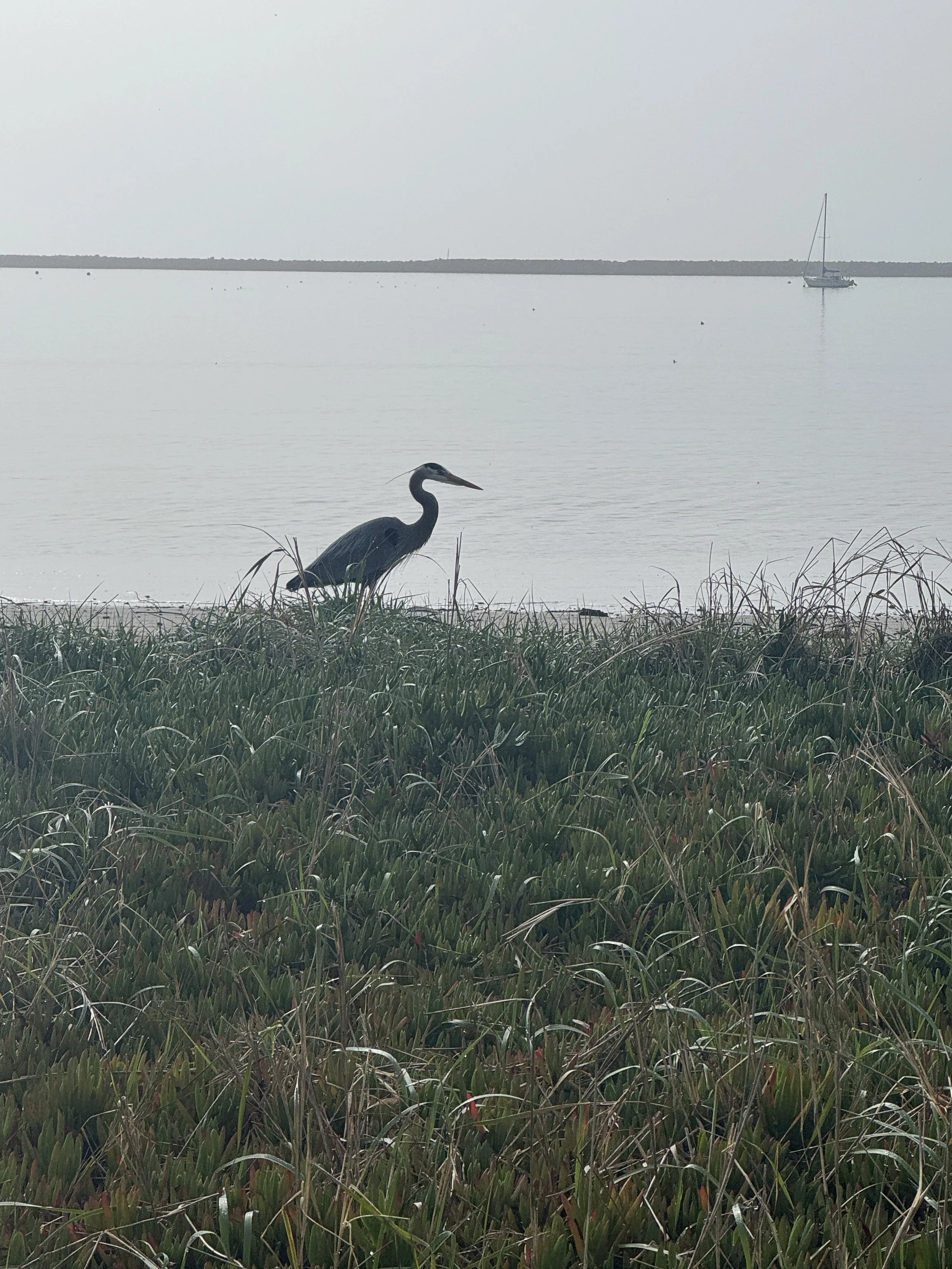
Her message is a reminder that the places we protect are also the places where memories are made: where children splash in rain-filled pools, families explore trails, and a passing hawk (or Brian the heron), can stop a runner in their tracks.
As Hilary puts it, the Coastside is a treasure. Keeping it that way means continuing to protect its landscapes, welcoming people into them, and making room for both nature and future generations to thrive.
Coastside Land Trust is grateful to Hilary for her longstanding commitment to conservation, for sharing her thoughtful perspective on the importance of accessible, protected open spaces, and for all of the ways that she has supported the Coastside Land Trust over the years!