skip navigation

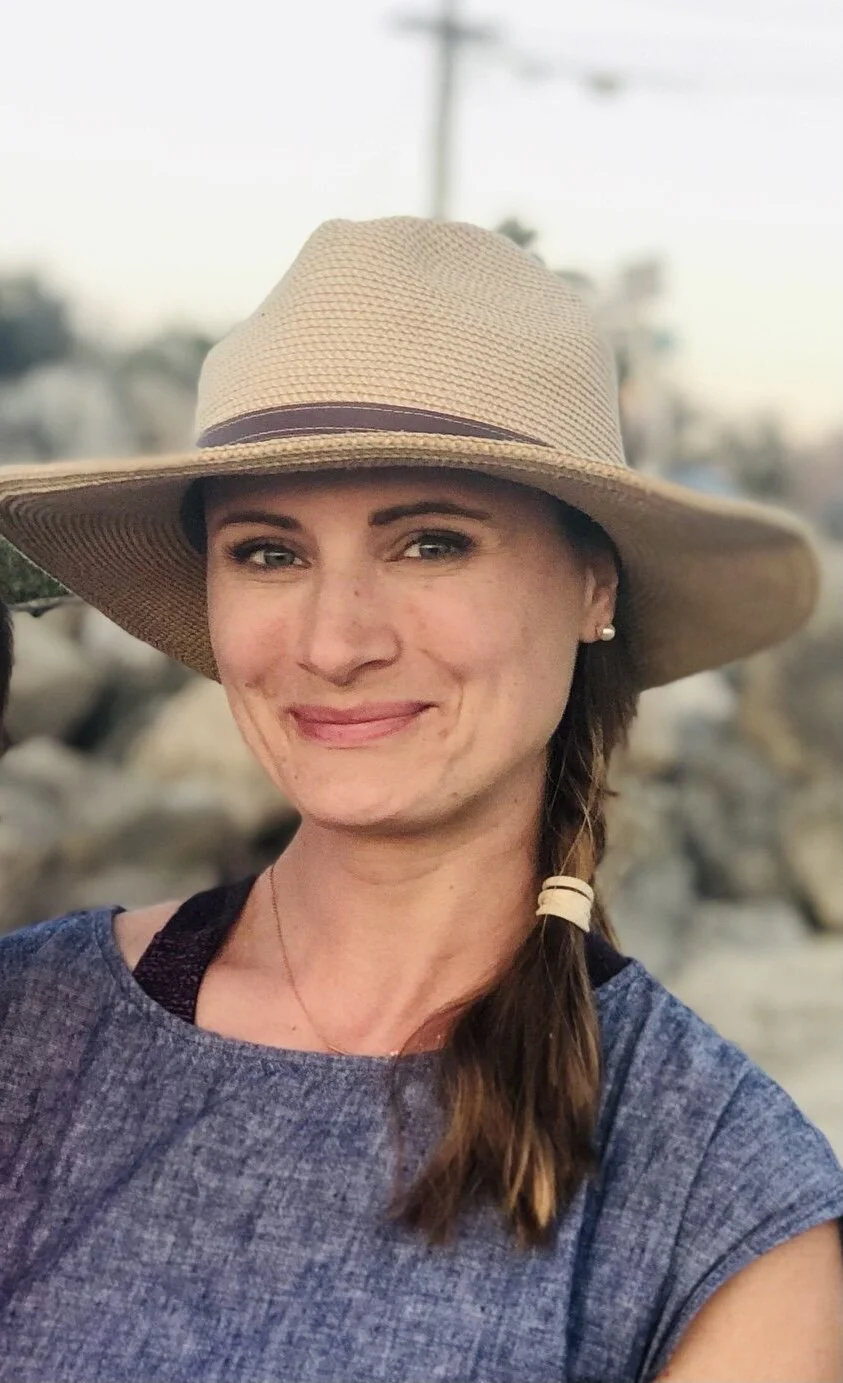
The Junior Land Stewards Program Welcomes Haley Peterson

IMG_6353.jpg

The Junior Land Stewards Program is excited to welcome the new program manager, Haley Peterson. Haley was born and raised in British Columbia, Canada. She graduated with a Bachelor of Science from the University of Calgary and worked as field assistant in the Northwest Territories, and the Canadian Rocky Mountains. It was here that she developed a passion for the environment and renewable energy which pushed her to pursue a career in environmentalism. Haley's hobbies are gardening, hiking and looking after her chickens and bees along with her husband and two children. Her newfound passion is horticulture - CA natives, plant ID and protecting native habitats. Haley is thrilled to help the CLT fulfill their mission of protecting open spaces and spreading stewardship awareness throughout the community and especially through future generations.

There is a lot of growth ahead in this upcoming school year, and the Junior Land Stewards Program will be expanding to work with the fourth graders of El Granada elementary school, in addition to Alvin Hatch elementary. The Half Moon Bay high school students will continue to serve as the essential field guides for this program. Stay tuned for updates on all of the good work these Junior Land Stewards will be doing once the school year gets rolling, with Haley Peterson and Barbara Lohman at the helm.

Learn more about the Junior Land Stewards Program
Weather Patterns of the San Mateo Coast webinar recording

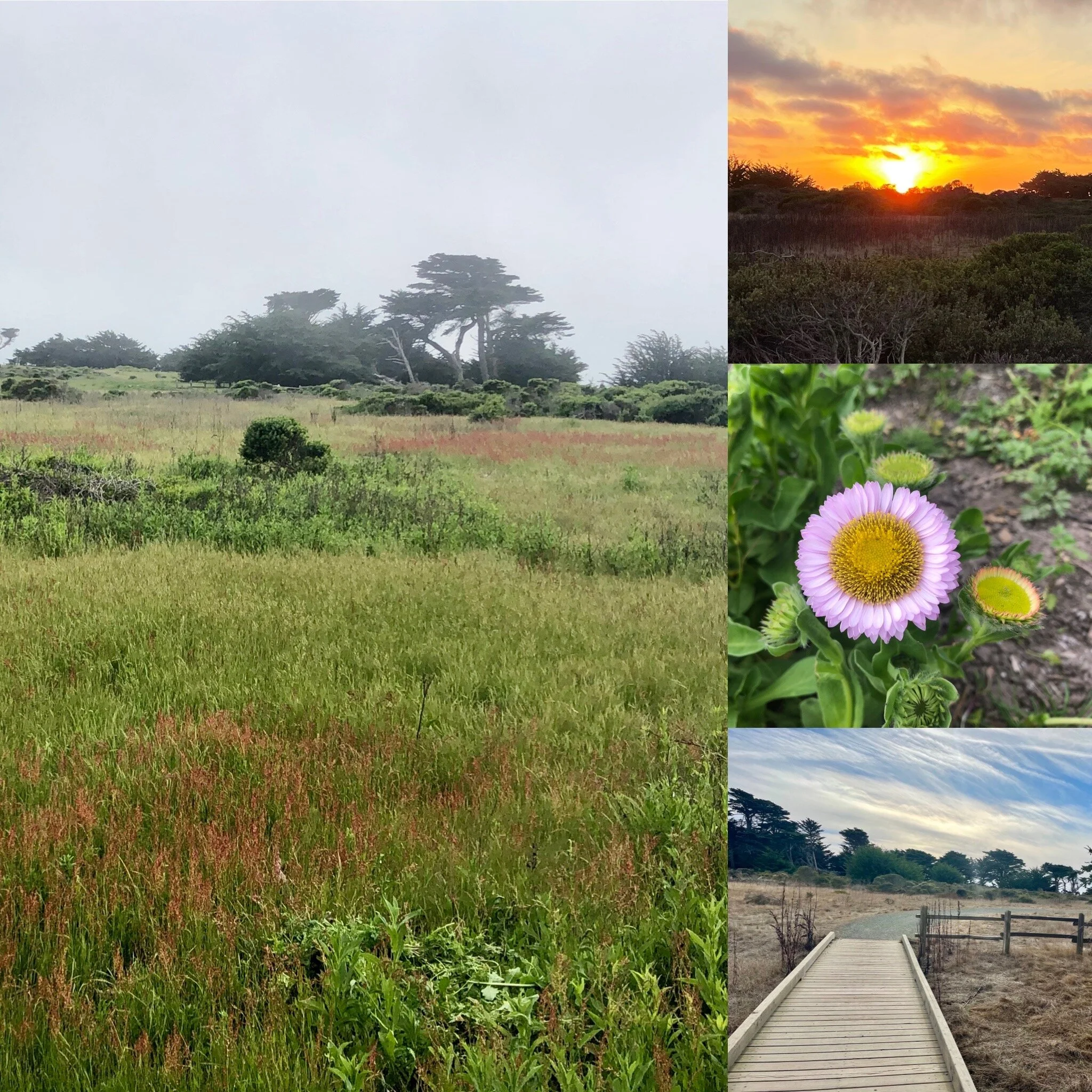
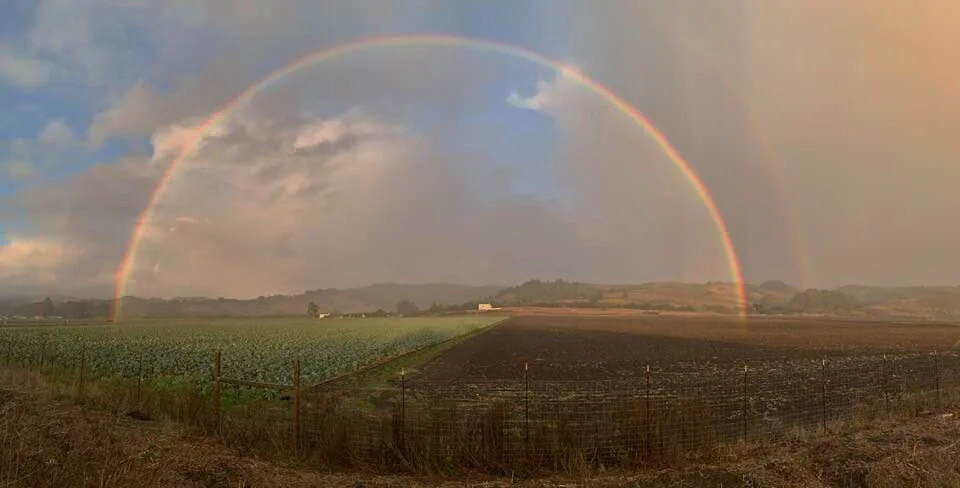
Join the Coastside Land Trust and local meteorology expert, Jan Null,  as we explore some of the San Mateo Coast’s weather phenomena. We will discuss the seasonal patterns of the region, as well as the ways that our “normal” is shifting.  This presentation will give us an opportunity to explore the many factors that make our weather and climate so unique and dynamic.  We will address some of the more serious climate changes influencing the coast, as well as exploring some of the exciting weather-related phenomena that have delighted Coastsiders for generations. 

Our presenter, Jan Null, is a Half Moon Bay resident and Bay Area native, who served as a meteorologist in the San Francisco Bay Area for over four decades. He founded the consulting firm, Golden Gate Weather Services, in 1998, after a 24-year career with the National Weather Service. He also currently serves as an Adjunct Professor of Meteorology at San Jose State and San Francisco State Universities. In his spare time, he is a well-known local nature photographer, who specializes in wildlife and landscapes.

Photograph by Jan Null

Photograph by Jan Null

These webinars are made possible by the generosity of donors. Donate to help us continue these programs, and to support important land conservation on the coast.

Donate

Goats At Work

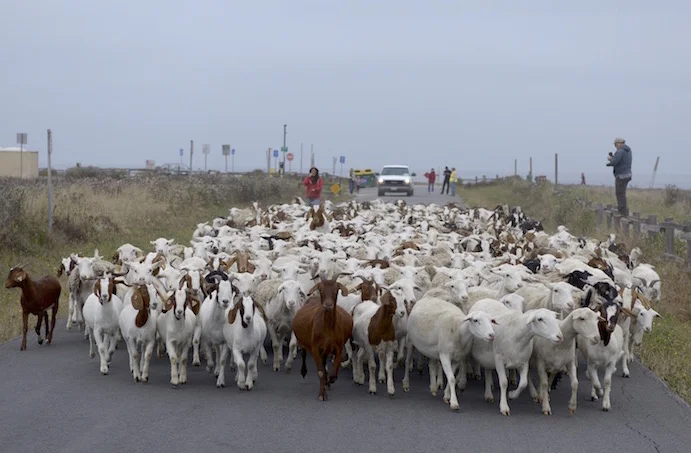
The restoration herd has gotten right to work at Railroad Right of Way. They are refreshing the area and applying fresh fertilizer. This year the herd is comprised of only goats, and they do great work fertilizing the ground, eating fire fuel, and encouraging the growth of native plant species. Stop by the intersection of Railroad Ave & Poplar St in Half Moon Bay and say hello to these fuzzy restoration workers. Also take a look at this incredible footage of their move from the other side of the street to the the historic Ocean Shore Railroad right-of-way, taken by the talented Steve Maller.

IMG_1823.jpeg

Donate to support this important land stewardship on the coast:

Donate

The Goats Are Coming To The Railroad Right Of Way

The restoration herd will be moving to their new grazing spot, along the historic Ocean Shore Railroad Right-Of- Way this Wednesday.

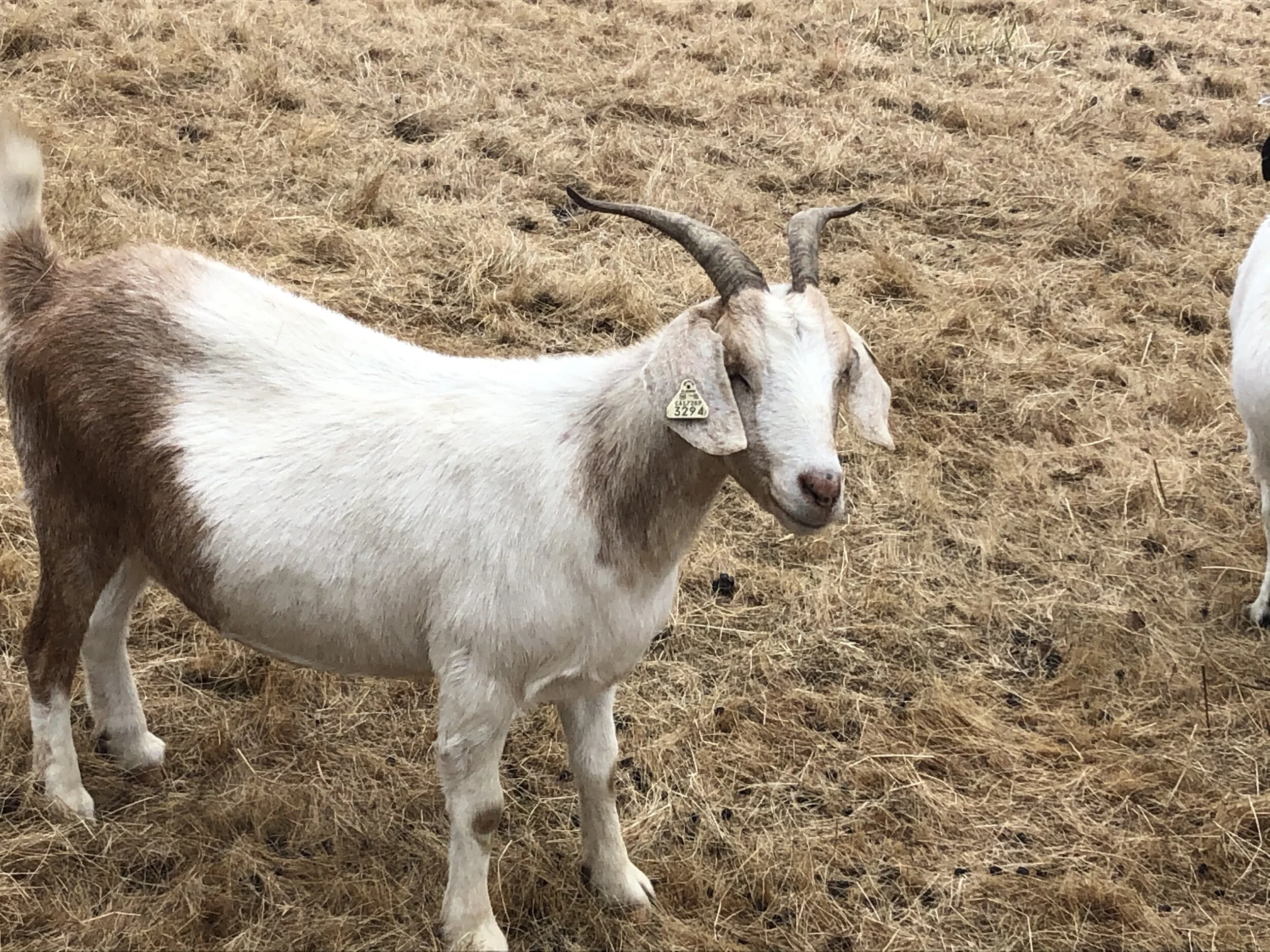
This large herd of over 200 sheep and goats comes from Star Creek Land Stewards, and works with the Coastside Land Trust and the City of Half Moon Bay as a part of a planned grazing project. These sheep and goats are effective at eating fire fuel, aerating the soil, fertilizing the ground, and encouraging the growth of native plant species. This results in a reduction in wildfire danger, improved soil fertility, and an increase in the diversity of native perennial grasses. This process is also good for the environment, as it doesn't require petroleum products or chemicals of any kind.

Within this planned grazing project the goats and sheep work together- each serving it’s beneficial role, as grazers (sheep) and browsers (goats). As grazers, sheep are herbivores that feed on lower lying plants, such as grass and other ground level vegetation. As browsers, goats enjoy roughage. Goats like to eat at chin level and will eat the leaves and twigs off of shrubs and trees before they’ll turn to grass, which they will also do, but with less consistency than sheep. Goats are also likely to take a chance on eating a plant they don't know, and their guts can tolerate a wide variety of plant species.

Stop by the intersection of Railroad Ave & Poplar St in Half Moon Bay and say hello to our fuzzy restoration workers.

Donate to support this important land stewardship on the coast:

DONATE TO SUPPORT

Envirotokens are back at New Leaf Community Markets

NLCM21_EnvirotokensVoteForUS_.png

Envirotokens are back at New Leaf Community Markets! When customers bring reusable bags, the market donates a 10¢ Envirotoken per bag to benefit local charities, nonprofits, and other organizations that the community has chosen. Twice a year, at every store, customers nominate and vote for the nonprofits that they want their Envirotokens to benefit, and the Coastside Land Trust is on the ballot! Stop by New Leaf between June 1- 20, and vote for CLT to be in the next round of Envirotokens recipients. These funds will be well used in the preservation, protection, and stewardship of the local open space environment here on the coast!

Carbon Sequestration through Wavecrest Native Plant Restoration - The Youth Climate Ambassadors Leadership Program Recording

Join Jasmine Standez, Youth Climate Ambassador, and Half Moon Bay High School sophomore, as she shares the details of her coastal prairie restoration project at Wavecrest Open Space, in Half Moon Bay.

The Youth Climate Ambassadors Leadership Program brings 9-11th grade students from across San Mateo County together to empower youth to take climate action into their own hands. Through the program, students develop projects designed to drive change within San Mateo County. Students gain a diverse set of skills related to sustainability and climate action.

Learn more about the Youth Climate Ambassadors Program

Check out the Native Plant Nursery in Half Moon Bay

partners-header-image-1600x540.jpg

The Advanced Habitat Stewardship (AHS) Committee at the Coastside Land Trust is open to future student projects. If you interested please contact info@coastsidelandtrust.org

These webinars are made possible by the generosity of donors. Donate to help us continue these programs, and to support important land conservation on the coast.

DONATE NOW

Junior Land Stewards Gardens Help With Future Creek Restoration

1056D19A-1C71-4C55-9E65-A5049CAD18FC.JPG

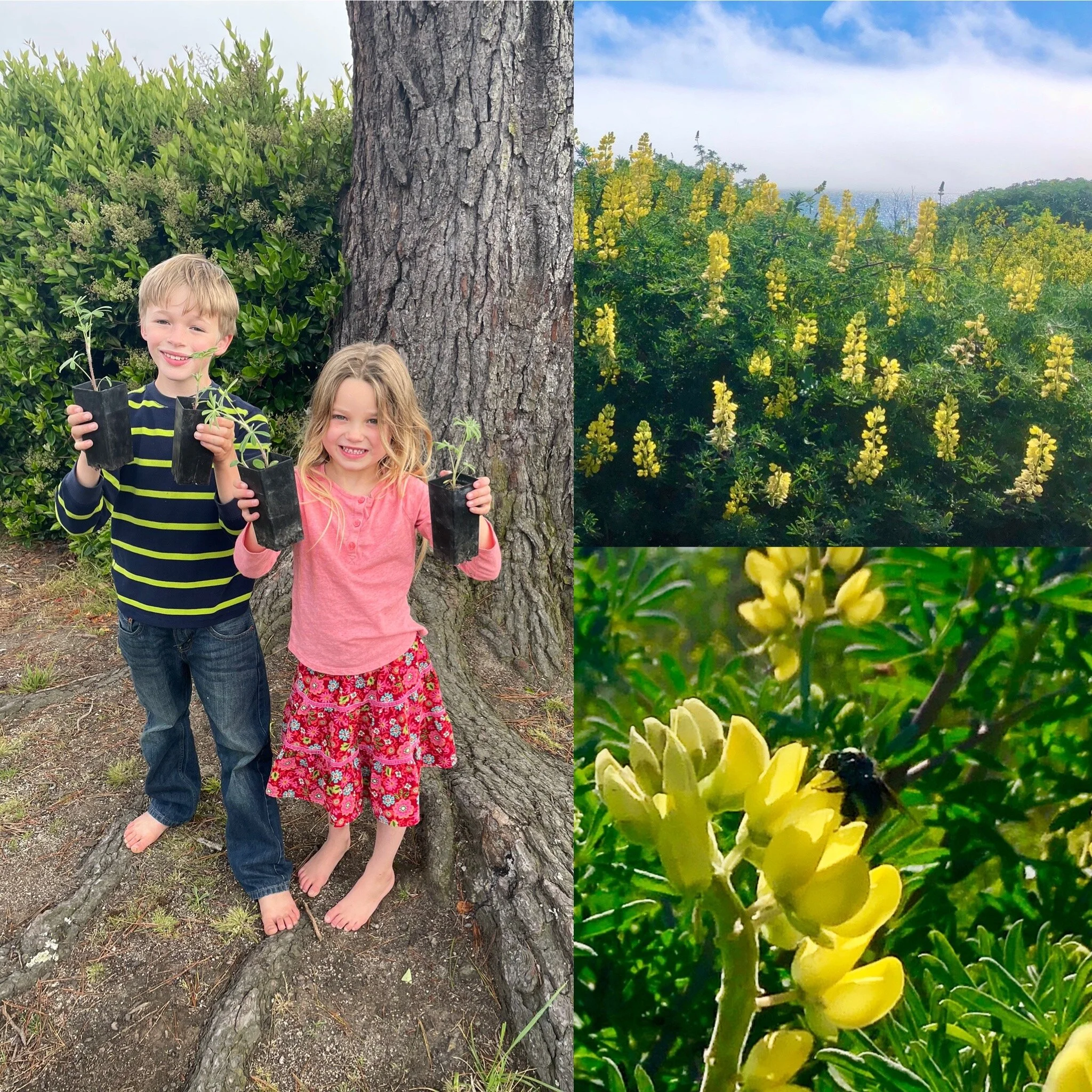
Although the Junior Land Stewards program was completely virtual this year, the Hatch Elementary school student pollinator gardens from the past 3 years are still thriving. With the help of Dave Sands of GoNative, 121 coastal bush lupine seedlings grown by the Junior Land Stewards team (and harvested from the lupine growing in the Wavecrest student gardens) will be shared with a San Mateo County Public Works creek restoration project off of Cloverdale Road in Pescadero. These plants will have a great home. This serves as an example of working together to preserve and protect the wild places of California, incorporating the work of our youngest land stewards.

Coastside Gives Gratitude

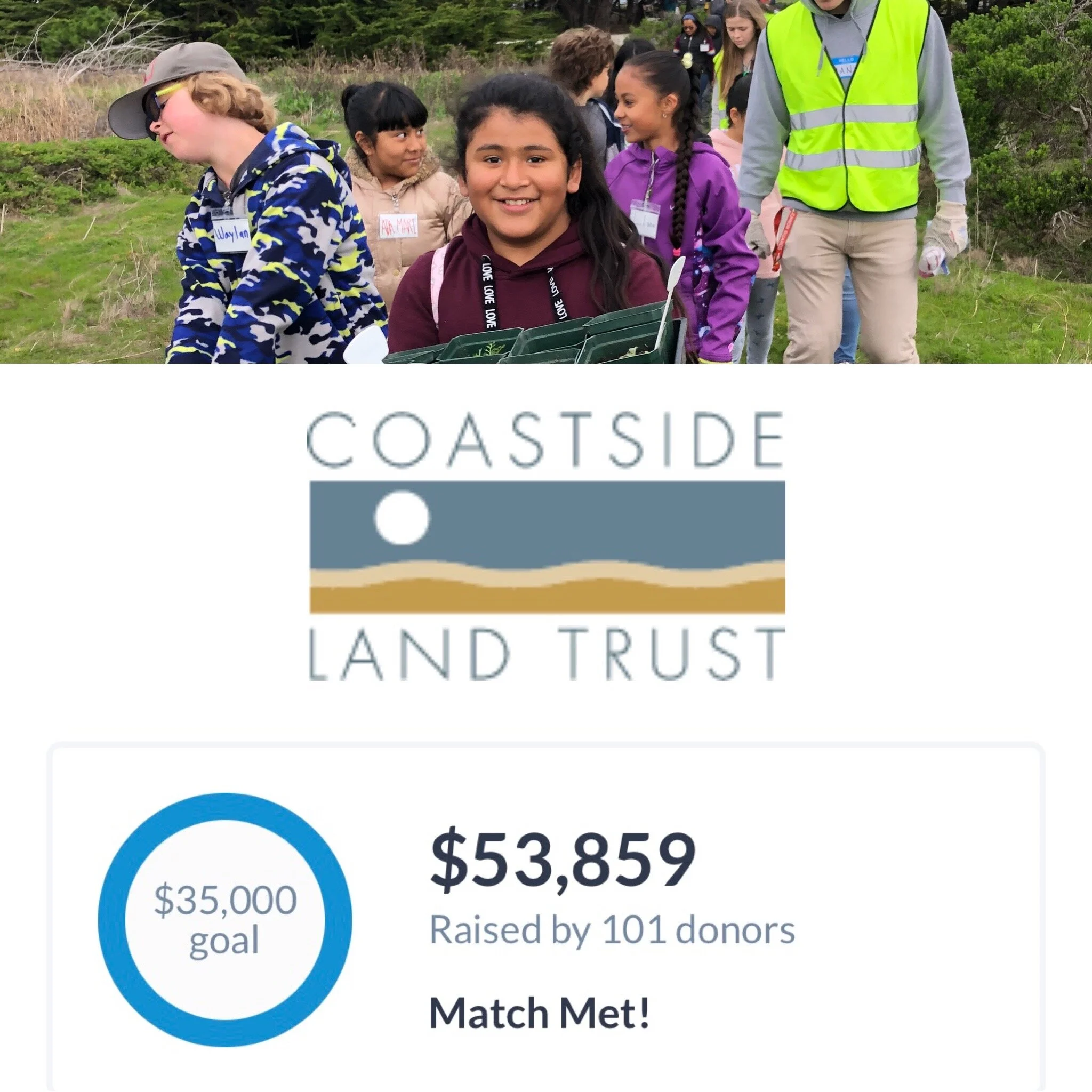
Thank you to so many of you for your generosity and continued support! We are delighted to have raised $53,859 to support the Junior Land Stewards program. These donations will support our next generation of land stewards, as well as the preservation and protection of our coastal open spaces!

Learn more about the Junior Land Stewards Program
Where The Land Meets the Ocean - Junior Land Stewards Virtual Environmental Science Program

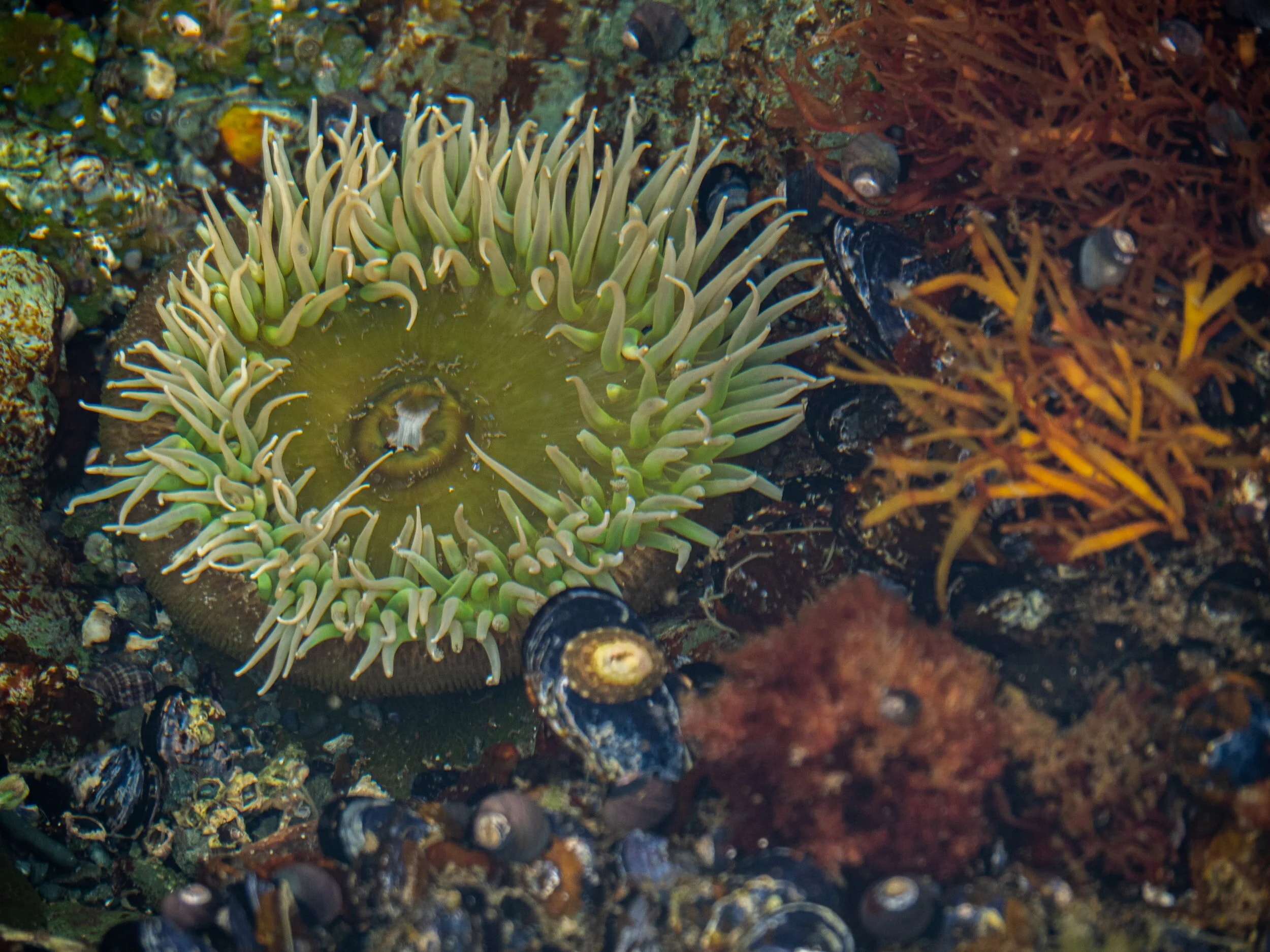
Rob Cala, of Fitzgerald Marine Reserve, introduces us to our local tide pools. Cala leads us on a journey to explore the many biotic and abiotic factors of the coast. He explains what that we might find here, how this dynamic, intertidal zone functions, and how we must work to preserve our local shores.

With students back to in-person learning, this is the final video of the year for our Junior Land Stewards Virtual Environmental Science Program. With great thanks to the local environmental experts who have made this program possible, as well as our own Half Moon Bay High School Environmental Science students and grade level teachers who have facilitated student learning and all hands-on activities.

unsplash-image-SJ8RBZG4C9A.jpg
Learn more about the Junior Land Stewards Program
The Geological Evolution of the Santa Cruz / San Mateo Coast -Webinar Recording

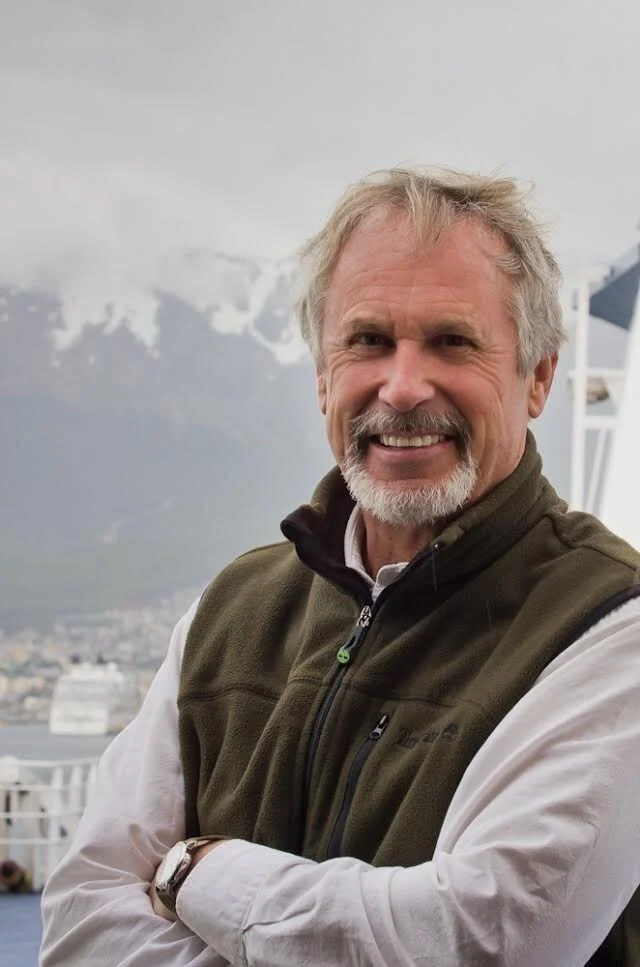
Dr. Gary Griggs, Distinguished Professor of Earth and Planetary Sciences at the University of California Santa Cruz, discusses the geological evolution of the Santa Cruz/San Mateo Coast. This includes the tectonic history and the geological evolution as recorded in the rocks and fossils of the region, as well as the hazards presented by our geological setting.

Dr. Griggs has provided the following reference material to accompany his presentation:

Santa Cruz Capitola Field Trip Guide USGS

SF/San Mateo Coast Geology

The Geology from Santa Cruz to Point Año Nuevo

To check out and/or purchase Dr. Griggs’ books Click here

GARY PATAGONIA.jpg

These webinars are made possible by the generosity of donors. Donate to help us continue these programs, and to support important land conservation on the coast.

Donate and support

The California Poppy

Papaveraceae - Eschscholzia californica - CALIFORNIA POPPY AN.jpeg

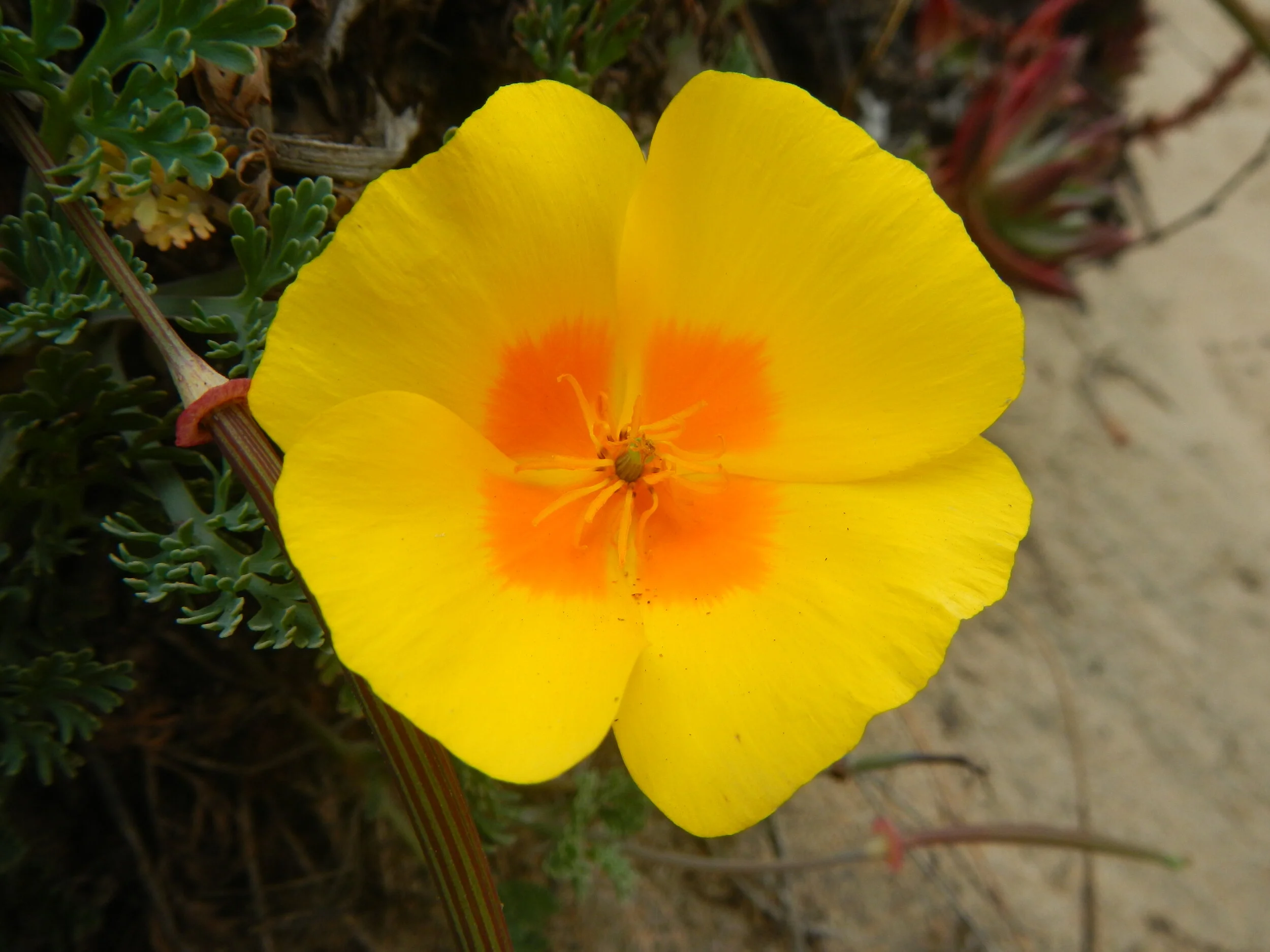
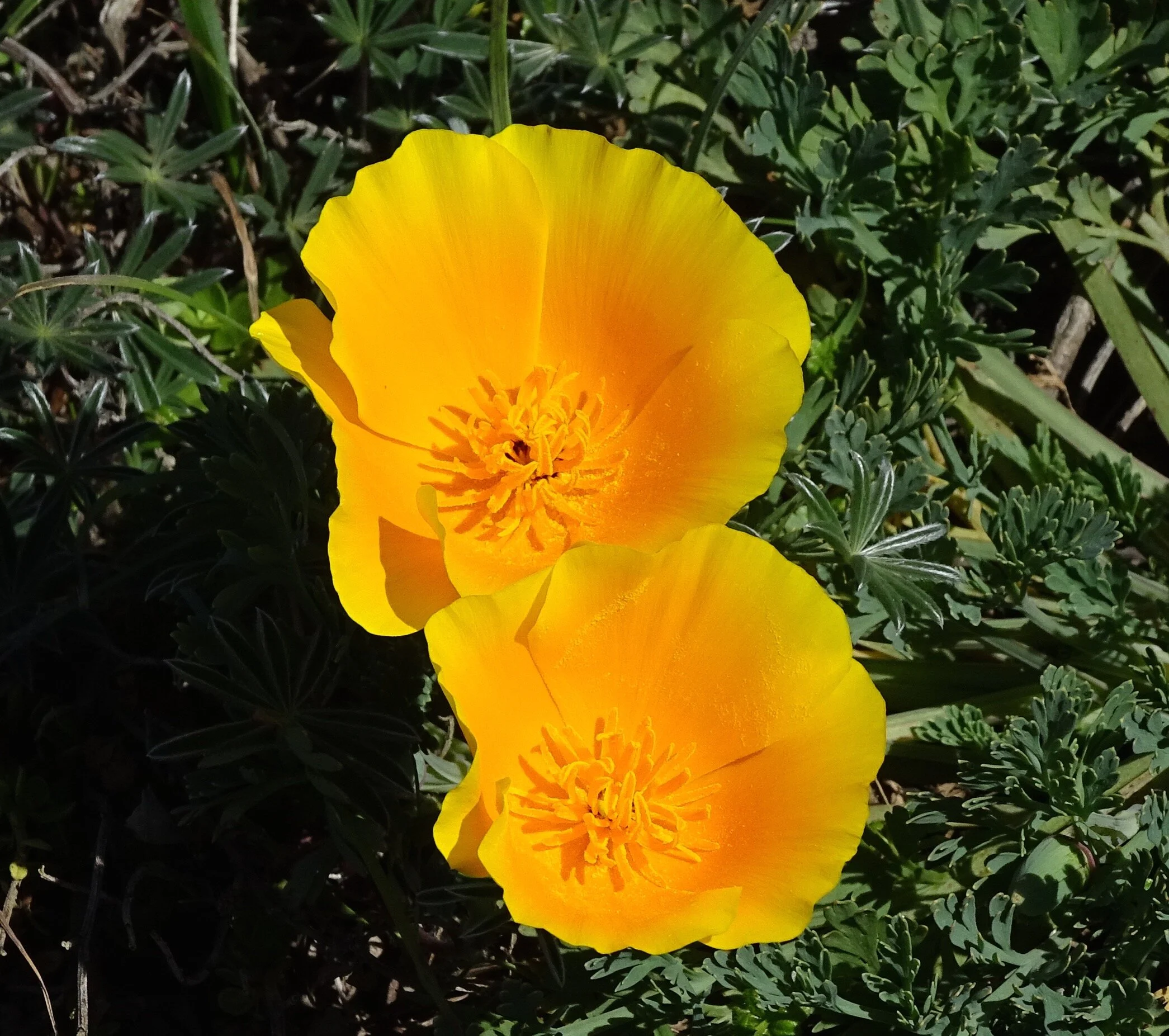
Happy spring from the Coastside Land Trust. It is that time of year when the fields start to burst with color, and the California poppy, Eschscholzia californica, is especially striking. These conspicuous flowers can be bright orange, yellow, or (as is found in the local, coastal Eschscholzia californica var. maritima) dark orange in the center with yellow lobed petals.  Early Spaniards in California called poppies “Dormidera” (to fall asleep) because the flowers open up in the sunshine, but close up again in the evening, and on foggy or cloudy days. 

The California Poppy is native to California, but can also be found elsewhere. It is our state flower (designated in 1903), and blooms from February through September in a variety of different plant communities. In some places it is an annual plant, but in Half Moon Bay it behaves like a herbaceous perennial (a plant that can live for a number of years, dying down after fruiting, and reemerging from the same root system).

Papaveraceae - Eschscholzia californica - CALIFORNIA POPPY  BH-2.jpeg

California poppies do not produce nectar, but instead produce a large amount of pollen. They are pollinator generalists, attractive to a large number of different pollinating insects. To help increase their visibility to these pollinators, California poppy flowers have a large central spot that absorbs ultra-violet radiation while reflecting the longer wavelengths. Ultraviolet light is not visible to humans. Insects, however, can see the UV pattern, which appears as a dark spot in the center of the flower that contrasts sharply with the UV-reflecting petal around it, guiding the insect to the pollen.

Thank you to Toni Corelli for these beautiful, local photographs.

California Connections: Tracks, Scat, And The Birds That Bind Us - Webinar Recording

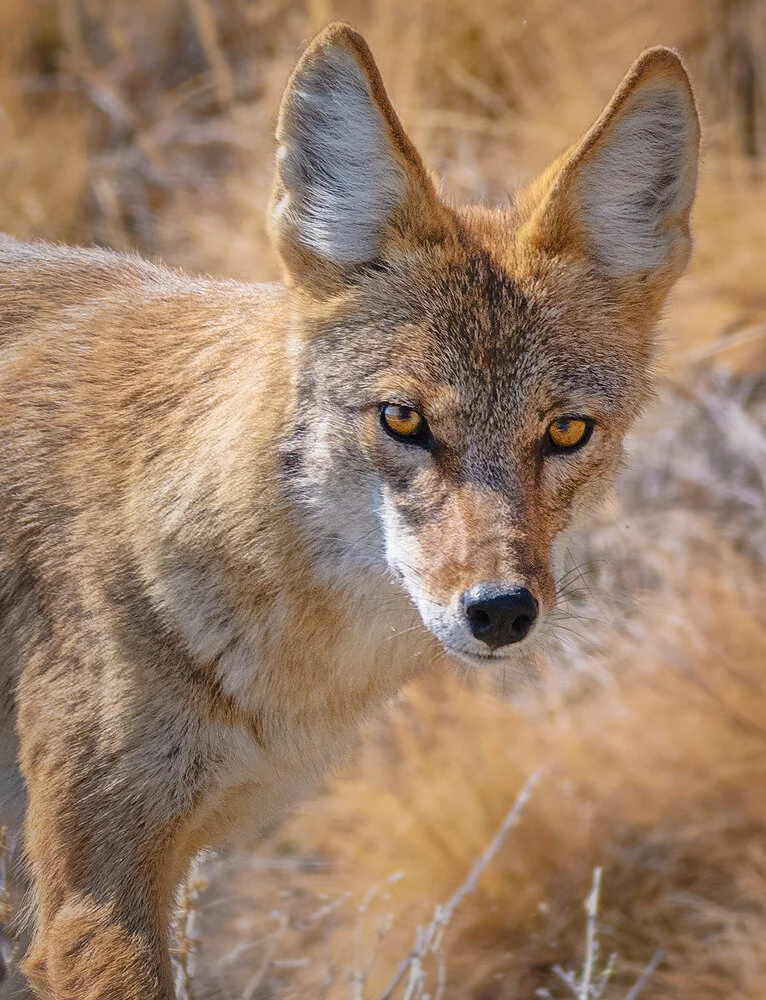
Lava Beds National Monument, a unit of the National Park Service in far northeastern California, is vastly different from the San Mateo Coast. Or is it? Join Aimee Murillo, interpretive park ranger at Lava Beds, for a presentation about these dynamic sites and what tracks, scat, and birds one might spot in both locations, and why.

These webinars are made possible by the generosity of donors. Donate to help us continue these programs, and to support important land conservation on the coast.

Donate to Support
Photo by Randy Paylor

Photo by Randy Paylor

Virtual Elephant Seal Tour Recording

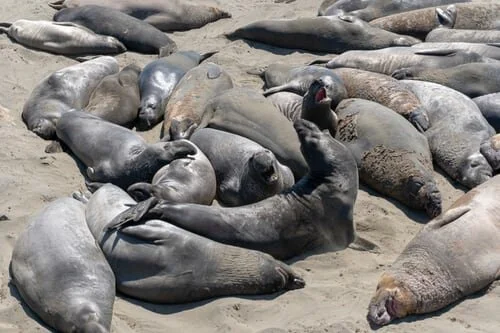
Join Año Nuevo Reserve Director, Patrick W. Robinson as he leads us on a virtual elephant seal tour at Año Nuevo State Park. His tour includes an introduction to the site, a walk through the colony, some show-and-tell of the electronic tags used on the seals, and a summary of some of the research projects that are being done. Because this park is currently closed to the public due to COVID-19 restrictions, this is quite an opportunity to view and learn a lot about these animals without the presence of crowds.

photo-1602835951697-f9e05473d3ba.jpeg

These webinars are made possible by the generosity of donors. Donate to help us continue these programs, and to support important land conservation on the coast.

Donate to Support

The Scoop On Soil- Junior Land Stewards Virtual Environmental Science Program

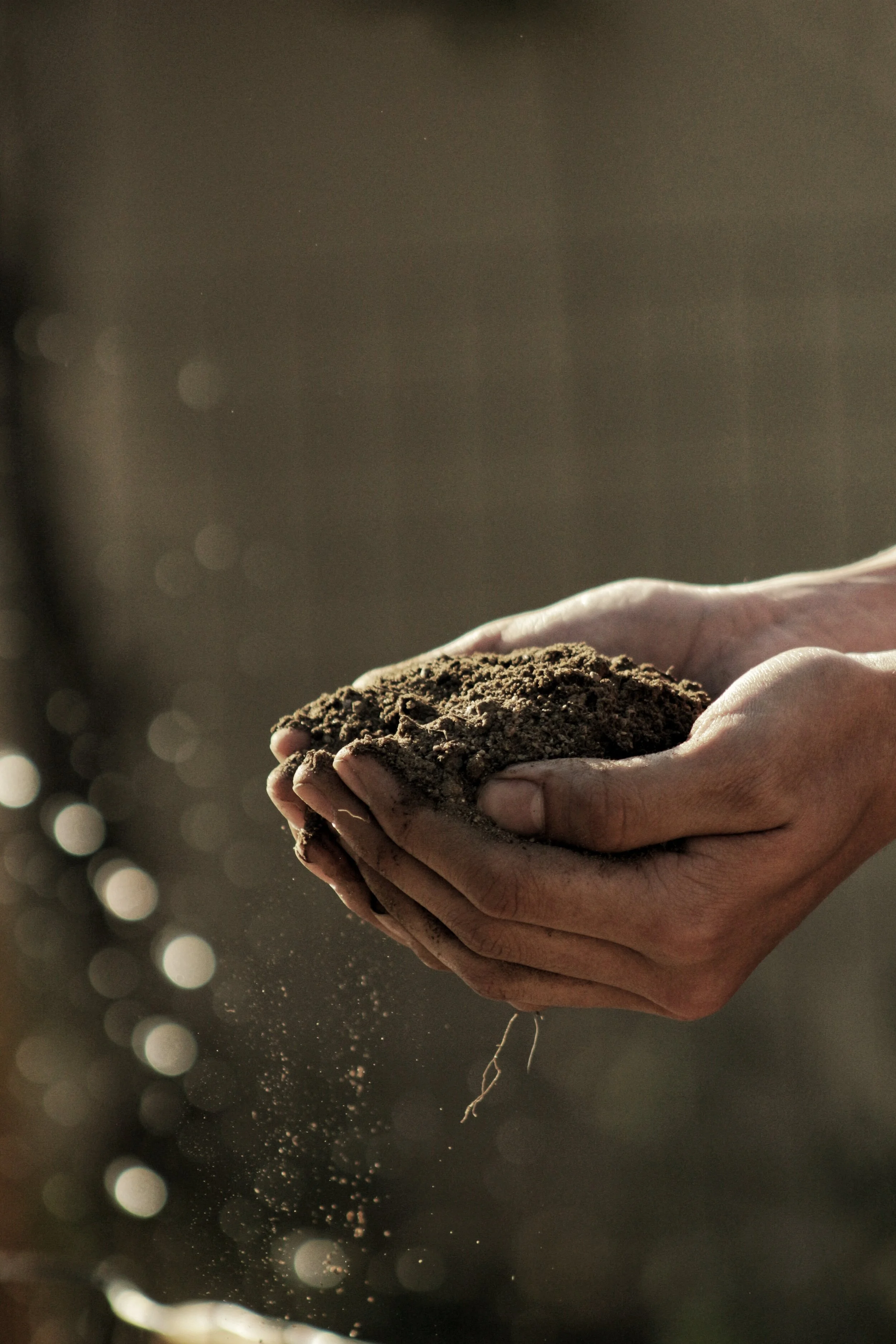
Kasey Butler and Adria Arko , of San Mateo Resource Conservation District, introduce the Junior Land Stewards to what is important about soil, and the role it plays in our ecosystem. They share the biotic and abiotic components in soil. They also identify different types of soil, and illustrate how soil is so critical to environmental health.

With great thanks to our own Half Moon Bay High school Environmental Science students who lead the CUSD students in a soil decomposition activity, to bury cloth in different locations and observe the differences in microorganism decomposition activity.

Learn more about the Junior Land Stewards Program
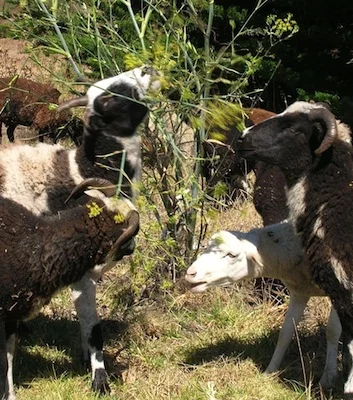
Photo by Gabriel Jimenez

Photo by Gabriel Jimenez

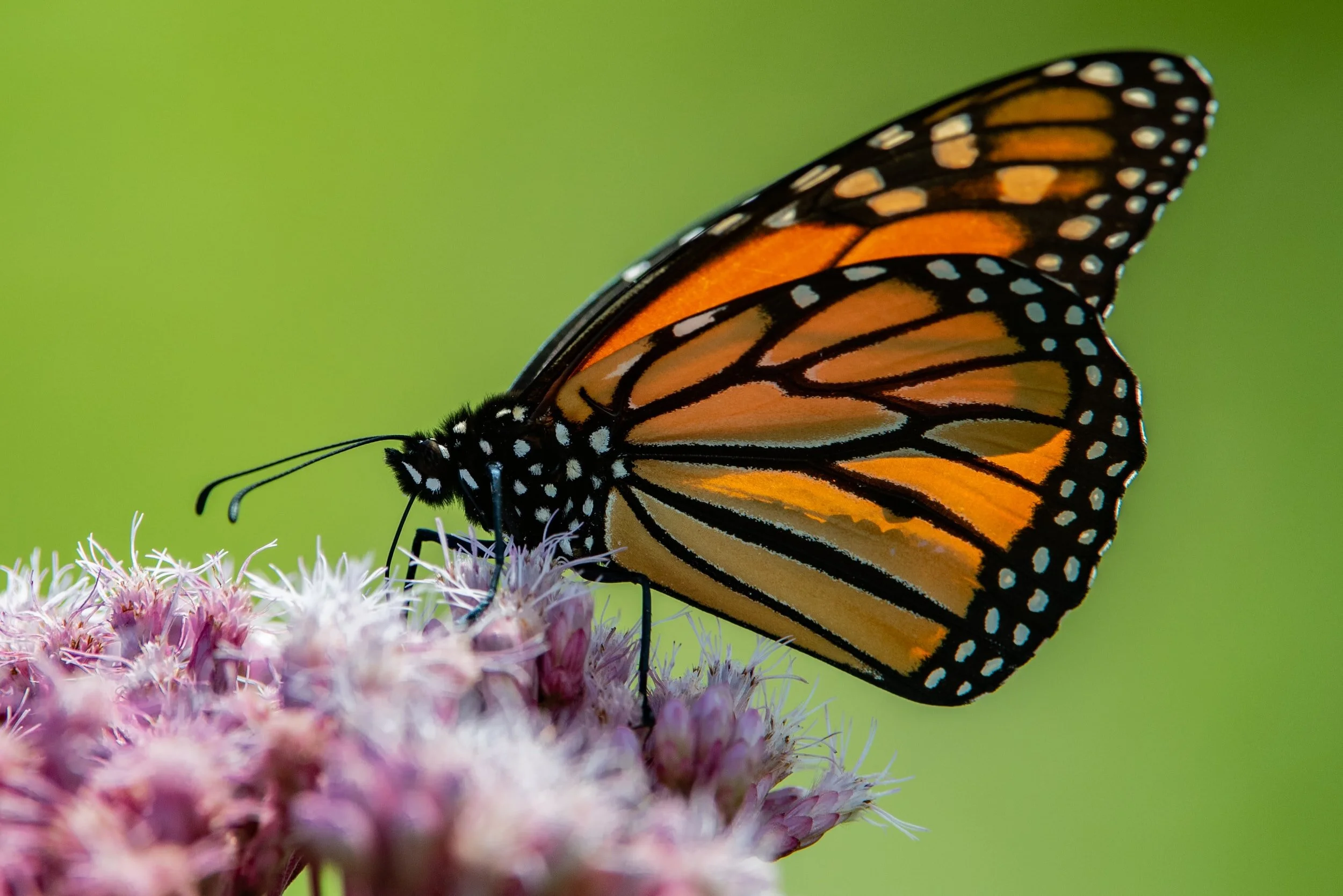
Monarchs Take Flight recording

Kim Young , Xerces Education and Conservation Specialist Ambassador, explores the migrating mysteries of the monarch butterfly. She discusses the biology, mystique, and behaviors of this iconic butterfly and what we can do (as those along their migratory path) to help mitigate their severe decline. Young explores the reasons for the great loss in our Western Monarchs, and orients us to what we can do to provide habitat and forage in order to help monarchs roost in our California overwintering sites.

These webinars are made possible by the generosity of donors. Donate to help us continue these programs, and to support important land conservation on the coast.

Donate today

Coyote Brush

IMG_4067.PNG

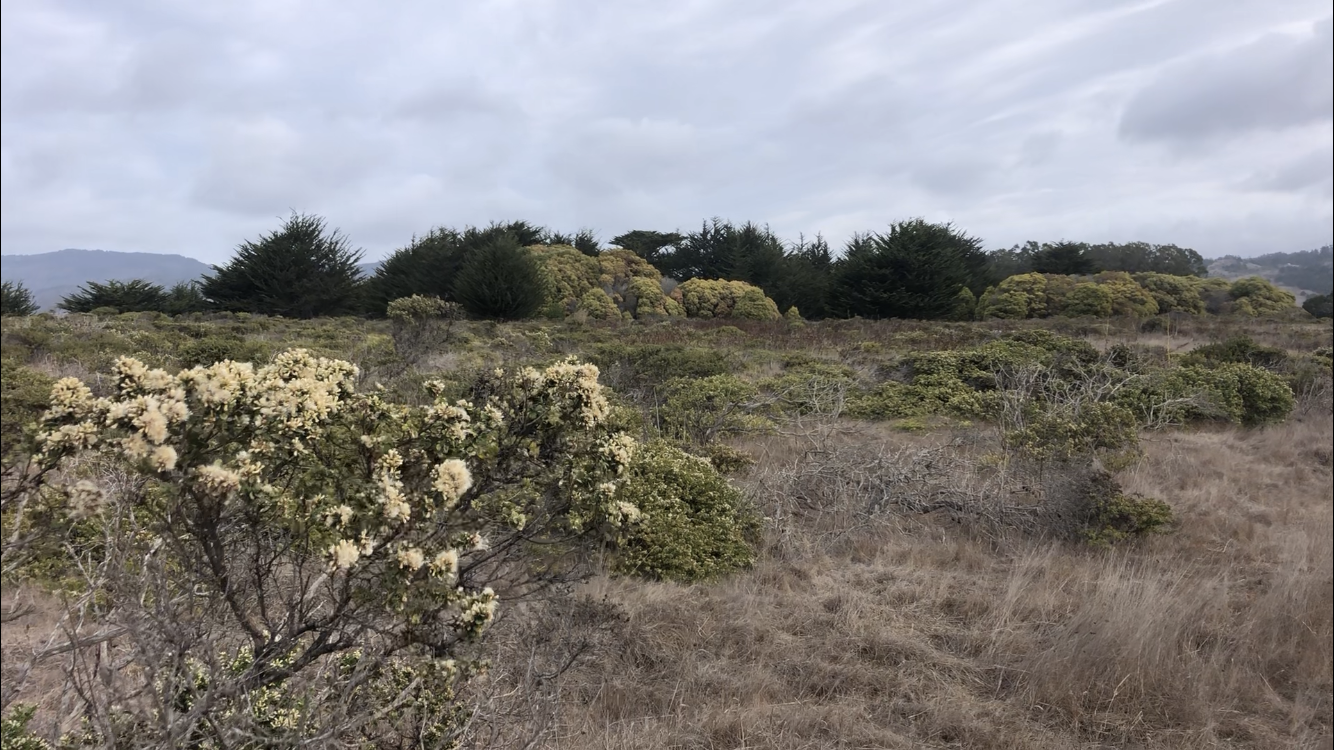
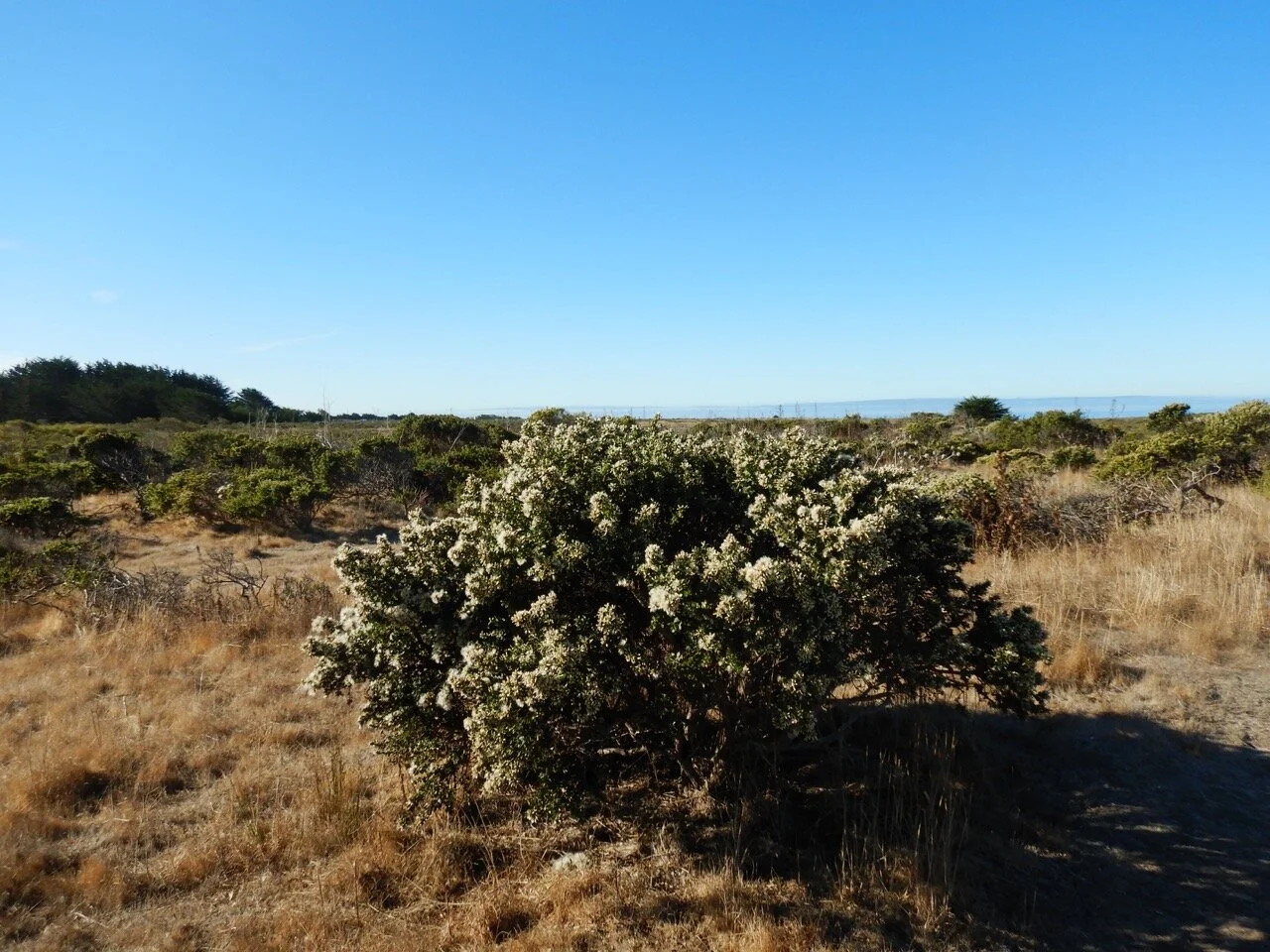
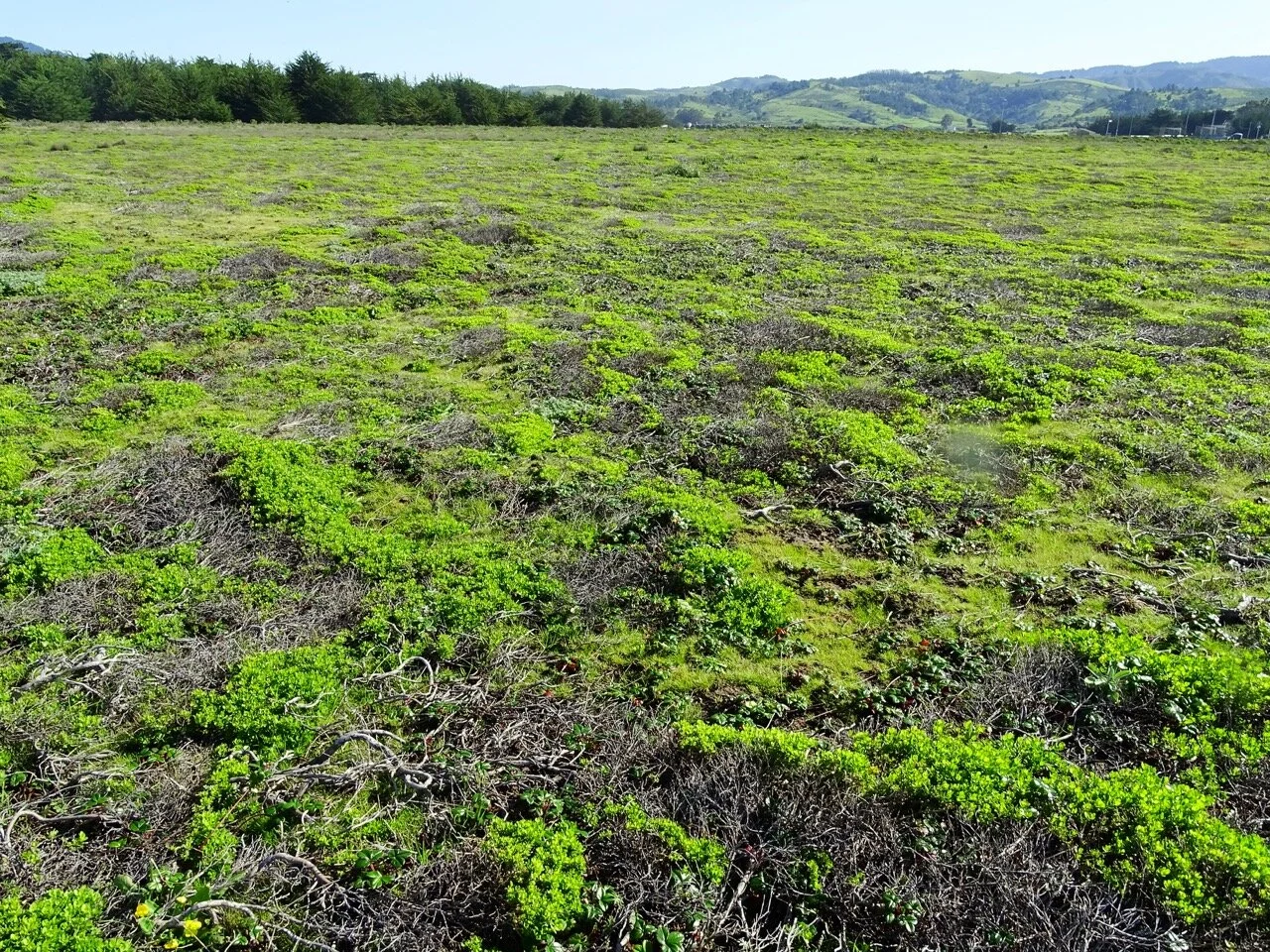
If you have been out for a walk in the Wavecrest Open Space, you have surely seen your share of Coyote brush. Baccharis pilularis, commonly known as coyote brush or coyote bush, is a shrub that can be found all over California- from San Diego County to Oregon, in a variety of habitats, from coastal bluffs to oak woodlands. Coyote brush is a woody perennial evergreen that looks like a bush but takes on a variety of different shapes, depending upon where it lives. There are two different subspecies of coyote bush. Asteraceae - Baccharis pilularis ssp. consanguinea - COYOTE BRUSH - is an upright, taller shrub. Asteraceae - Baccharis pilularis ssp. pilularis - COYOTE BRUSH (LOW GROWING) is low growing, mat forming (mostly less than 2 feet tall) and is considered a ground cover.

Asteraceae - Baccharis pilularis ssp. consanguinea - COYOTE BRUSH Photograph by: Toni Corelli (taken at Wavecrest Open Space)

Asteraceae - Baccharis pilularis ssp. consanguinea - COYOTE BRUSH

Photograph by: Toni Corelli (taken at Wavecrest Open Space)

Coastal Bluff Scrub -Asteraceae - Baccharis pilularis ssp. pilularis - COYOTE BRUSH (LOW GROWING) Photograph by: Toni Corelli (taken at Wavecrest Open Space)

Coastal Bluff Scrub -Asteraceae - Baccharis pilularis ssp. pilularis - COYOTE BRUSH (LOW GROWING)

Photograph by: Toni Corelli (taken at Wavecrest Open Space)

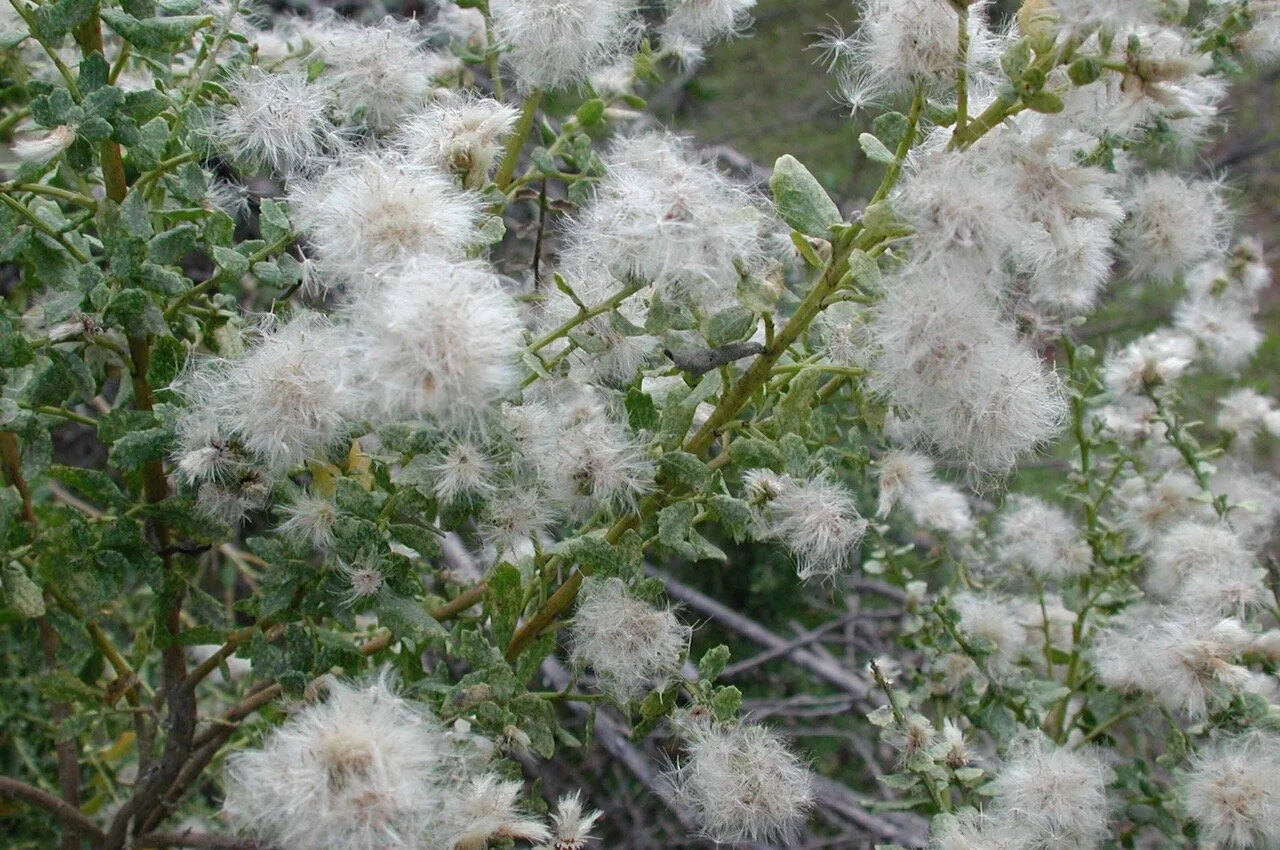
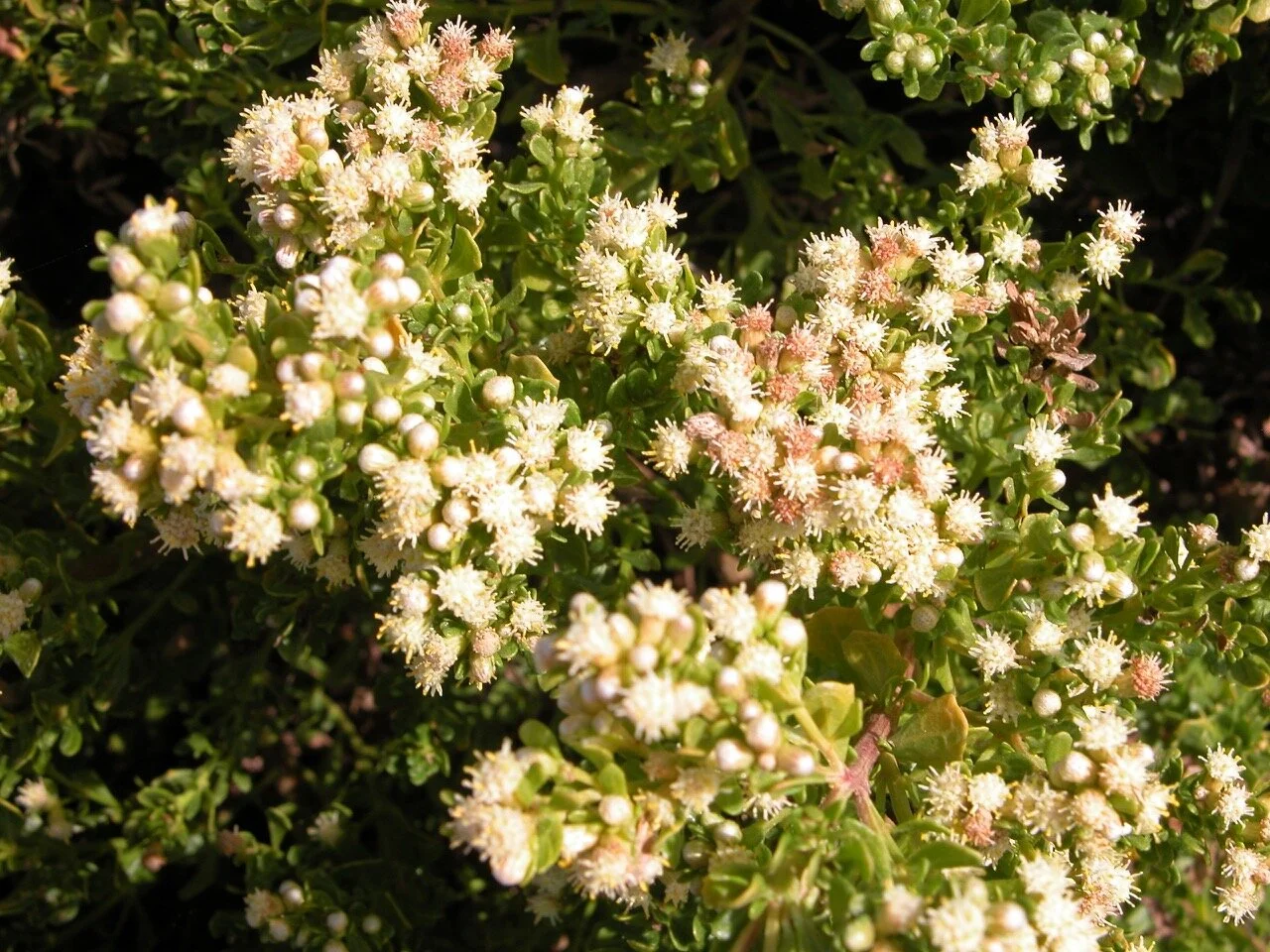
Coyote brush is a perennial evergreen shrub that typically blooms between September and January, when the majority of other plants are dormant. It can grow in many soil types, including alkaline and clay soil, providing a thick woody shrub for wildlife cover and a critical nectar source for many native species of butterflies, bees, wasps, and flies. Coyote brush is dioecious, meaning each plant is either male (its flowers are pollen-producing) or female (its flowers are seed-producing). The white fluffy female and yellowish male flowers grow on separate shrubs.

Asteraceae - Baccharis pilularis (coyote brush) female flowers JRPhotograph by: Toni Corelli

Asteraceae - Baccharis pilularis (coyote brush) female flowers JR

Photograph by: Toni Corelli

Asteraceae - Baccharis pilularis - coyote brush - male fl ANPhotograph by: Toni Corelli

Asteraceae - Baccharis pilularis - coyote brush - male fl AN

Photograph by: Toni Corelli

Coyote shrubs are exceptionally adept at survival, with a large root system which extends many yards out from the plant. It is extremely drought, deer, and fire resistant, and is referred to as a pioneer species because it is one of the first shrubs to appear after other plants have been removed by cultivation or fire.

There are a number of different theories for why this plant is called “coyote brush/bush”. One suggestion is that the seed pods have a crown of white hairs that give the appearance of a mass of fluffy white coyote fur. Another theory is that, like the coyotes, it is very adaptable to different habitats and climates.

Monarchs Take Flight

Join the Coastside Land Trust, as we welcome Kim Young, Xerces Education and Conservation Specialist Ambassador, as she explores the migrating mysteries of the monarch butterfly. She will talk about the biology, mystique, and behaviors of this iconic butterfly and what we can do (as those along their migratory path) to help mitigate their severe decline. Young will explore the reasons for the great loss in our Western Monarchs, and orient us to what we can do to provide habitat and forage in order to help monarchs roost in our California overwintering sites. There will be a Q and A session to follow.

This 60 minute webinar is free, and is sure to be educational and engaging for adults and children. All are welcome. CLT webinar presentations are recorded and posted to our YouTube channel.

Register Here

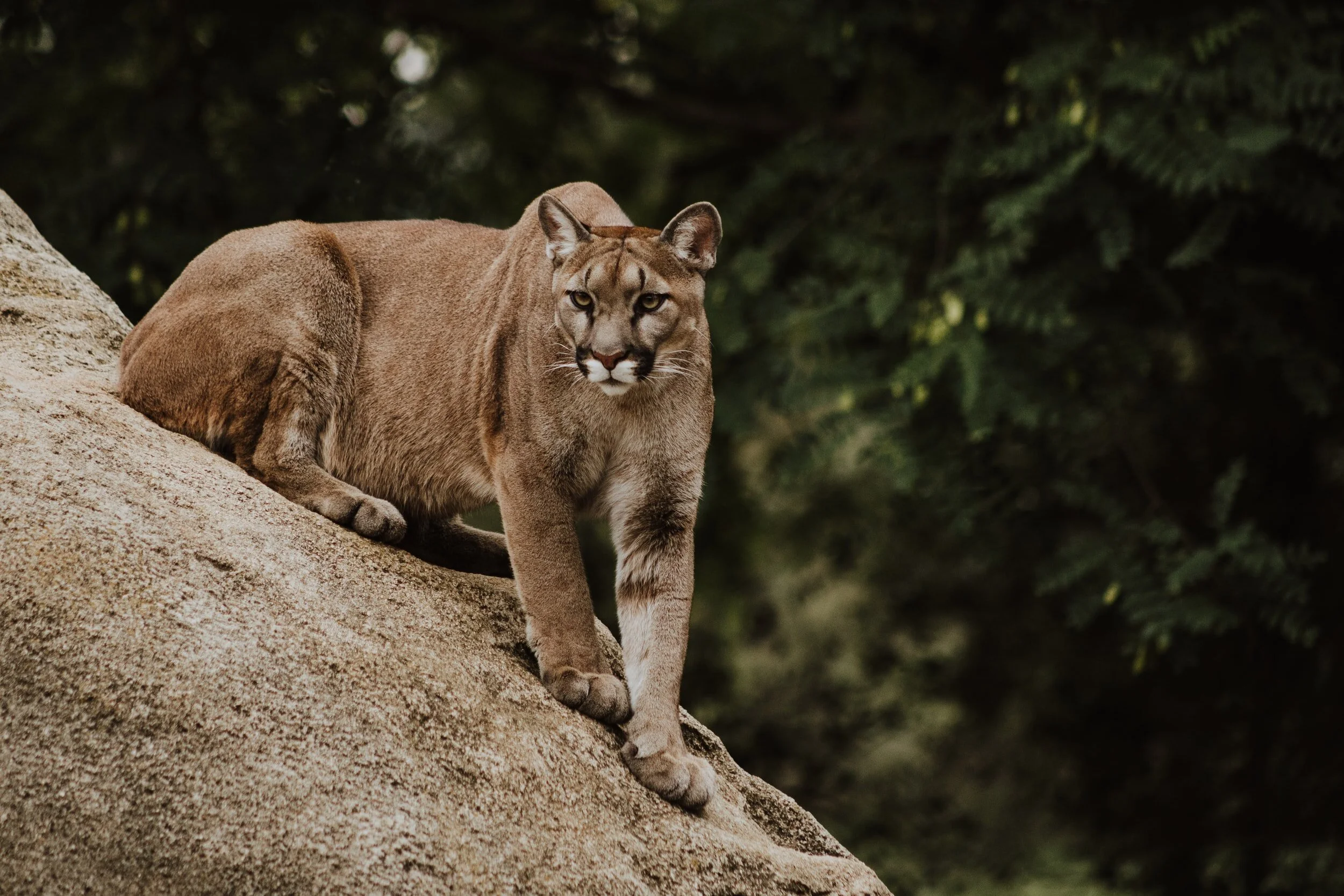
Local Mountain Lions- Junior Land Stewards Virtual Environmental Science Program

Join Courtney Coon, of Felidae Conservation Fund, as she introduces our Junior Land Stewards to our local mountain lions. She explores how to identify them, how they live and function as essential parts of our local ecosystem, and why we must work to preserve their way of life.

With great thanks to our own Half Moon Bay High school Environmental Science students who lead the CUSD students in a Mystery Science predator/ prey food chain activity.

Learn More About The Junior Land Stewards Program
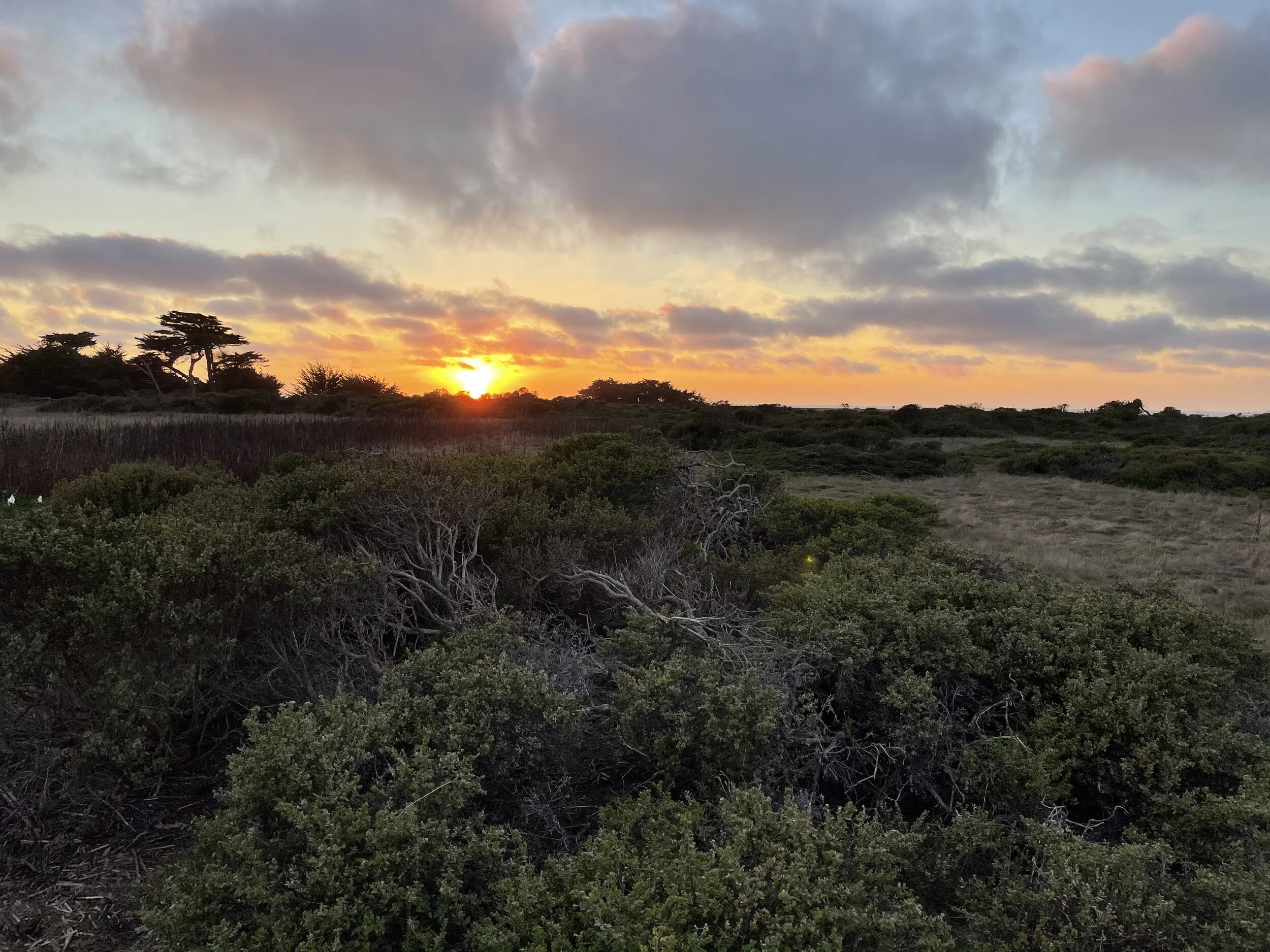
Celebration Of Our Local Open Spaces Recording

Check out our video recording, as the Coastside Land Trust celebrates all of our properties and the accomplishments of this year. This video includes a beautiful and informational slide show of our properties, created by Barbara Dye. We also talk about the work that we are doing, the programs we are offering, the people who are making a difference, and the importance of our local open spaces.

IMG_2635.jpeg

Donate to support our important land conservation and stewardship on the coast.

Donate