
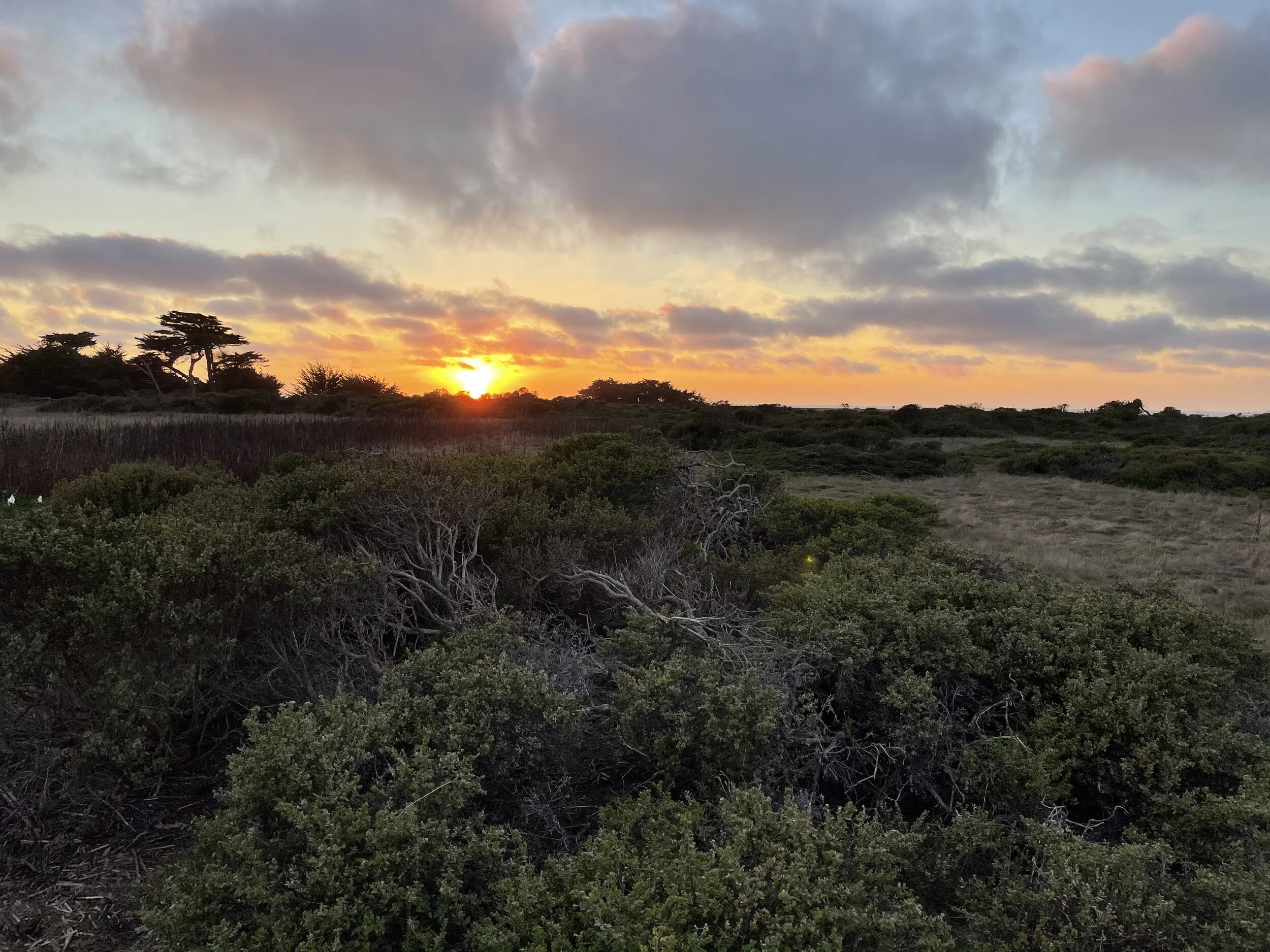
Thank you to so many of you for your generosity and continued support! We are delighted to have raised $53,859 to support the Junior Land Stewards program. These donations will support our next generation of land stewards, as well as the preservation and protection of our coastal open spaces!
Where The Land Meets the Ocean - Junior Land Stewards Virtual Environmental Science Program
Rob Cala, of Fitzgerald Marine Reserve, introduces us to our local tide pools. Cala leads us on a journey to explore the many biotic and abiotic factors of the coast. He explains what that we might find here, how this dynamic, intertidal zone functions, and how we must work to preserve our local shores.
With students back to in-person learning, this is the final video of the year for our Junior Land Stewards Virtual Environmental Science Program. With great thanks to the local environmental experts who have made this program possible, as well as our own Half Moon Bay High School Environmental Science students and grade level teachers who have facilitated student learning and all hands-on activities.
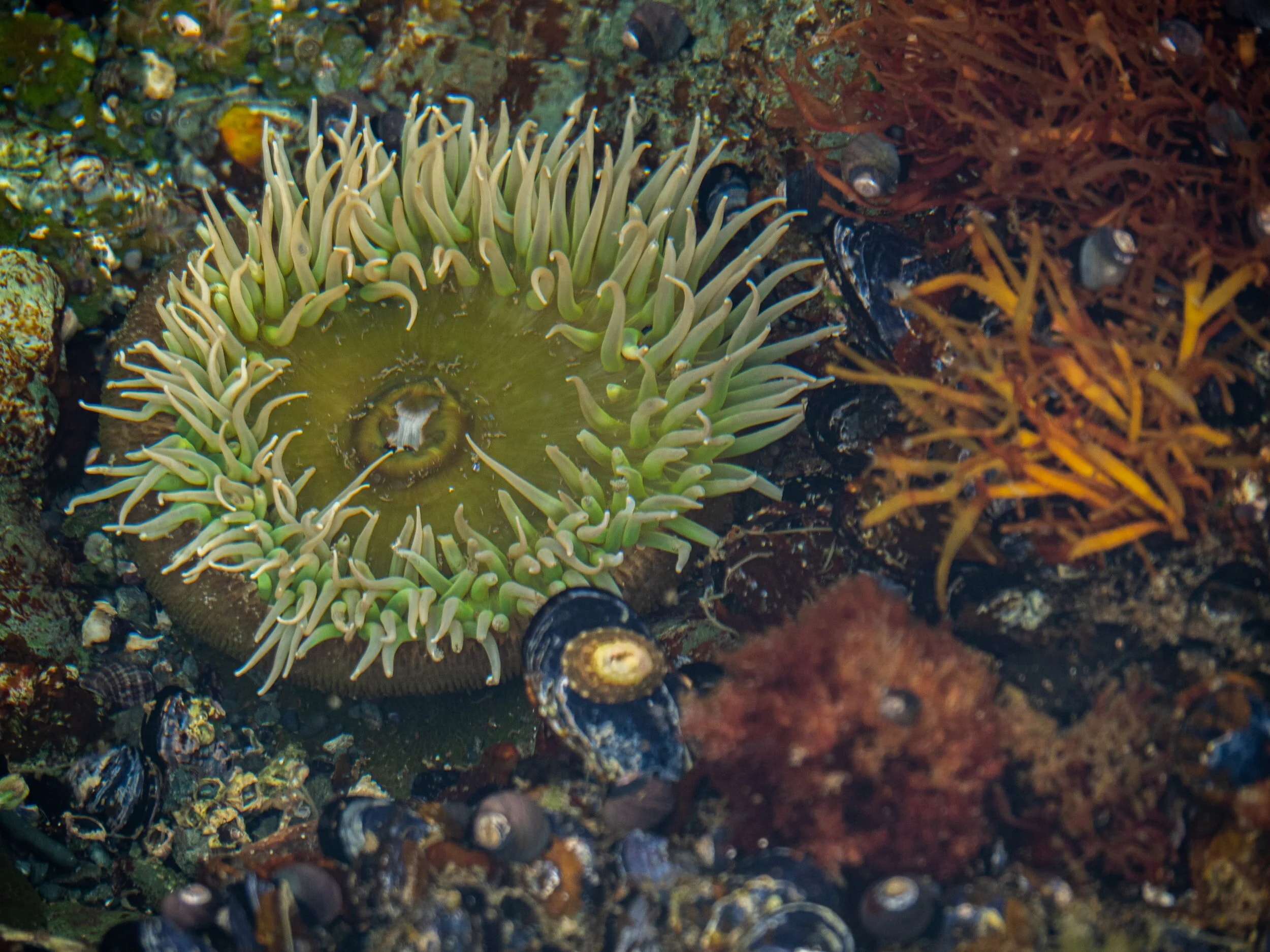
Happy Earth Day!
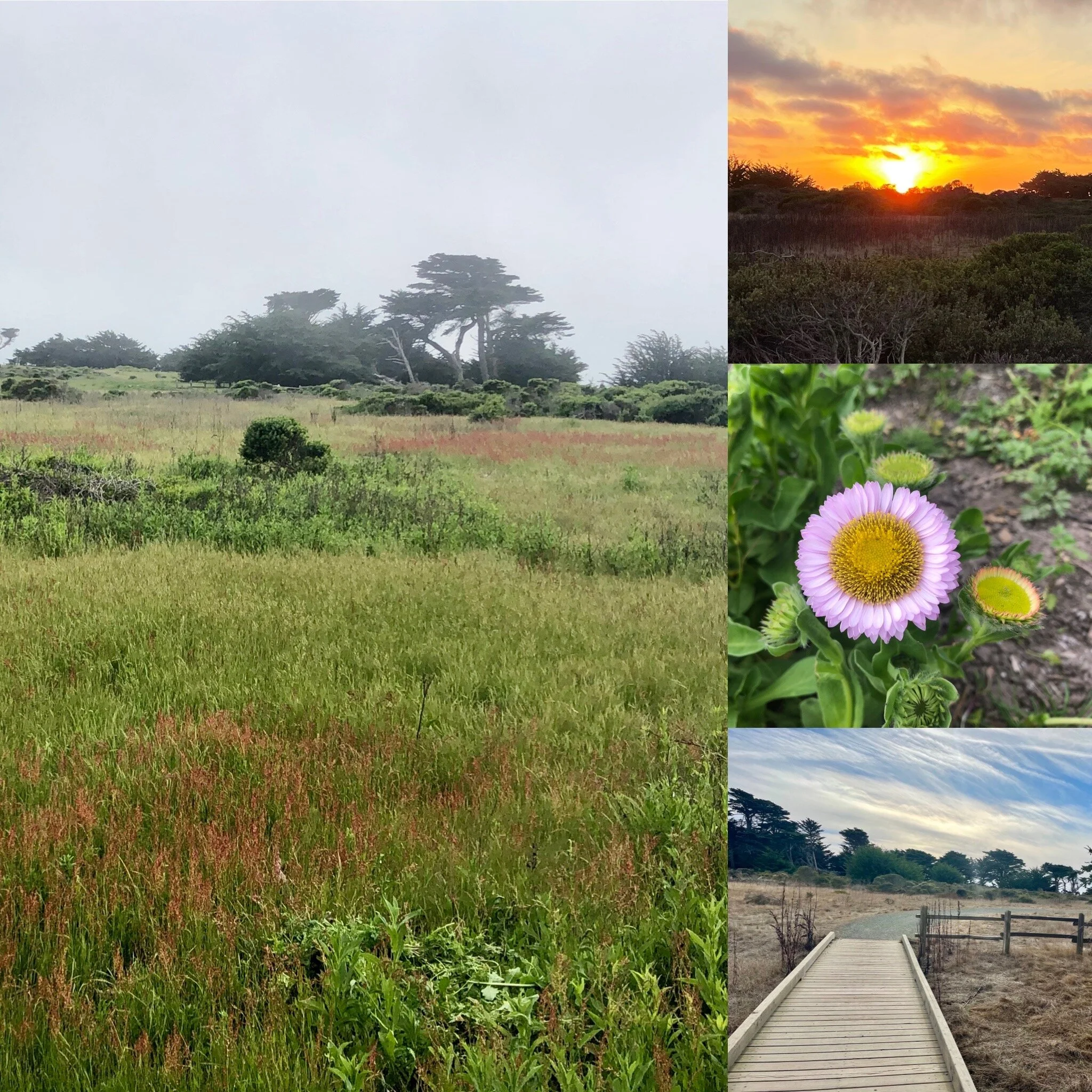
"Look deep into nature, and then you will understand everything better." - Albert Einstein
Happy Earth Day from the Coastside Land Trust!
The Geological Evolution of the Santa Cruz / San Mateo Coast -Webinar Recording
Dr. Gary Griggs, Distinguished Professor of Earth and Planetary Sciences at the University of California Santa Cruz, discusses the geological evolution of the Santa Cruz/San Mateo Coast. This includes the tectonic history and the geological evolution as recorded in the rocks and fossils of the region, as well as the hazards presented by our geological setting.
Dr. Griggs has provided the following reference material to accompany his presentation:
Santa Cruz Capitola Field Trip Guide USGS
The Geology from Santa Cruz to Point Año Nuevo
To check out and/or purchase Dr. Griggs’ books Click here

These webinars are made possible by the generosity of donors. Donate to help us continue these programs, and to support important land conservation on the coast.
The California Poppy
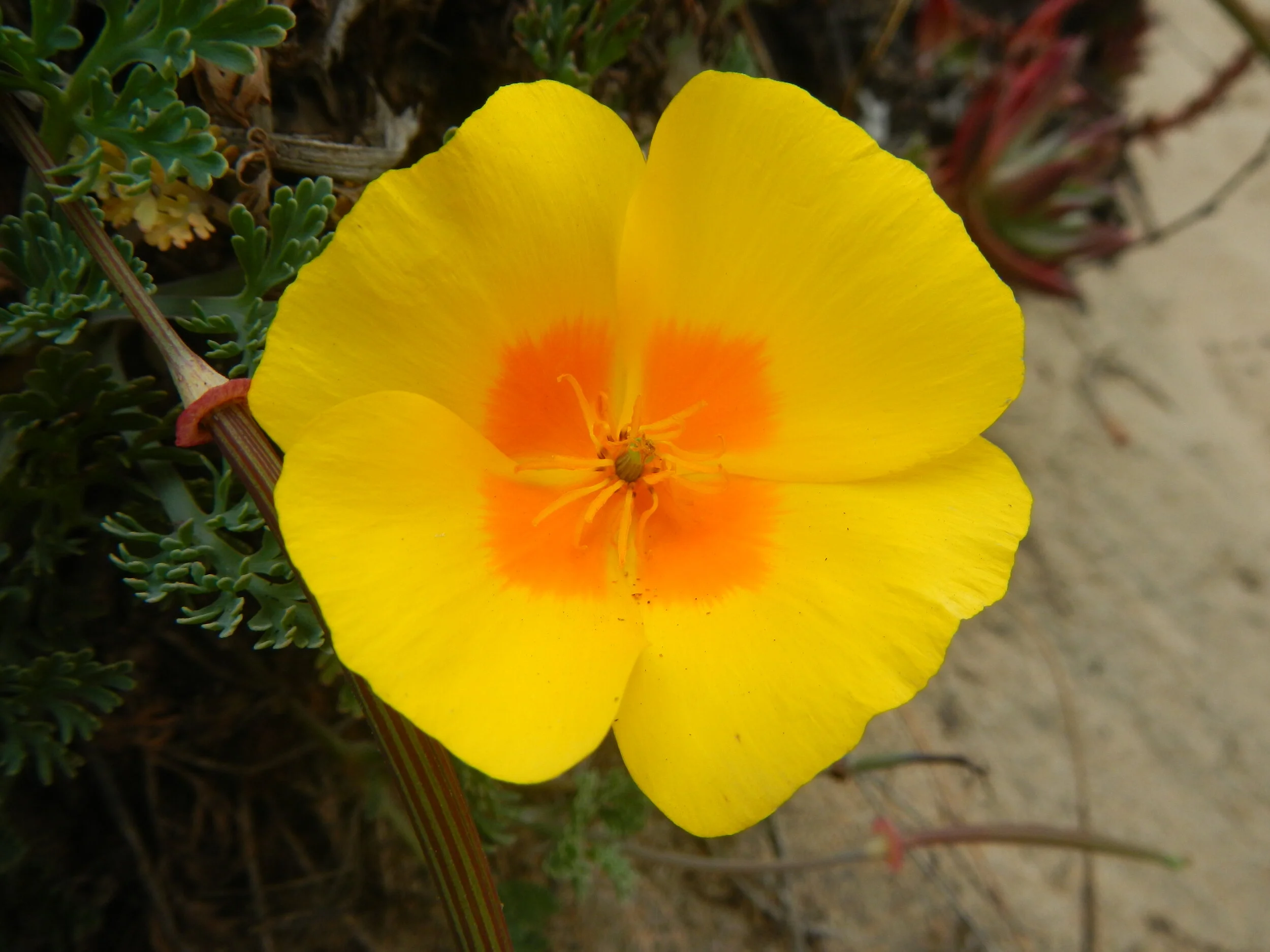
Happy spring from the Coastside Land Trust. It is that time of year when the fields start to burst with color, and the California poppy, Eschscholzia californica, is especially striking. These conspicuous flowers can be bright orange, yellow, or (as is found in the local, coastal Eschscholzia californica var. maritima) dark orange in the center with yellow lobed petals. Early Spaniards in California called poppies “Dormidera” (to fall asleep) because the flowers open up in the sunshine, but close up again in the evening, and on foggy or cloudy days.
The California Poppy is native to California, but can also be found elsewhere. It is our state flower (designated in 1903), and blooms from February through September in a variety of different plant communities. In some places it is an annual plant, but in Half Moon Bay it behaves like a herbaceous perennial (a plant that can live for a number of years, dying down after fruiting, and reemerging from the same root system).
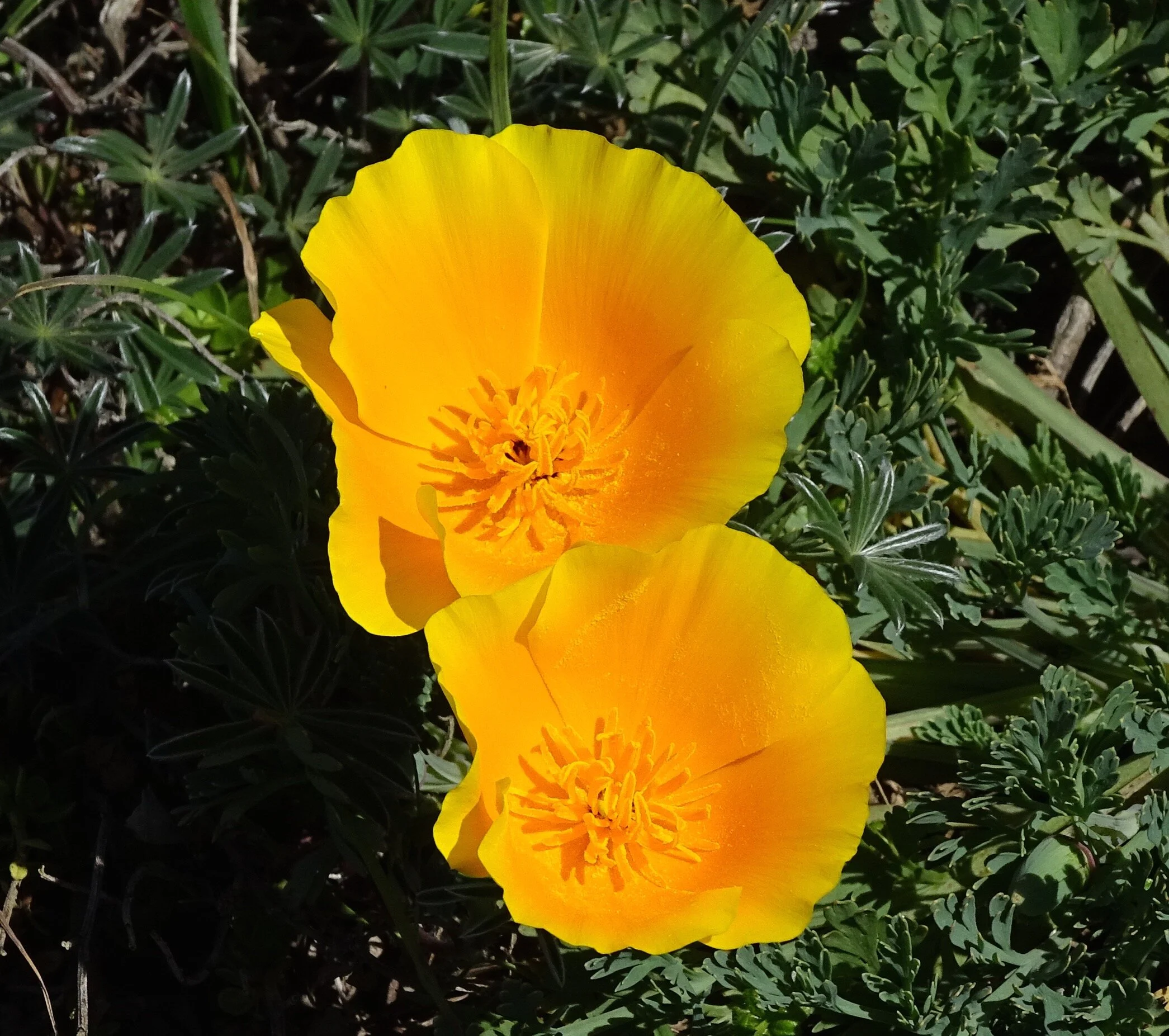
California poppies do not produce nectar, but instead produce a large amount of pollen. They are pollinator generalists, attractive to a large number of different pollinating insects. To help increase their visibility to these pollinators, California poppy flowers have a large central spot that absorbs ultra-violet radiation while reflecting the longer wavelengths. Ultraviolet light is not visible to humans. Insects, however, can see the UV pattern, which appears as a dark spot in the center of the flower that contrasts sharply with the UV-reflecting petal around it, guiding the insect to the pollen.
Thank you to Toni Corelli for these beautiful, local photographs.
California Connections: Tracks, Scat, And The Birds That Bind Us - Webinar Recording
Lava Beds National Monument, a unit of the National Park Service in far northeastern California, is vastly different from the San Mateo Coast. Or is it? Join Aimee Murillo, interpretive park ranger at Lava Beds, for a presentation about these dynamic sites and what tracks, scat, and birds one might spot in both locations, and why.
These webinars are made possible by the generosity of donors. Donate to help us continue these programs, and to support important land conservation on the coast.
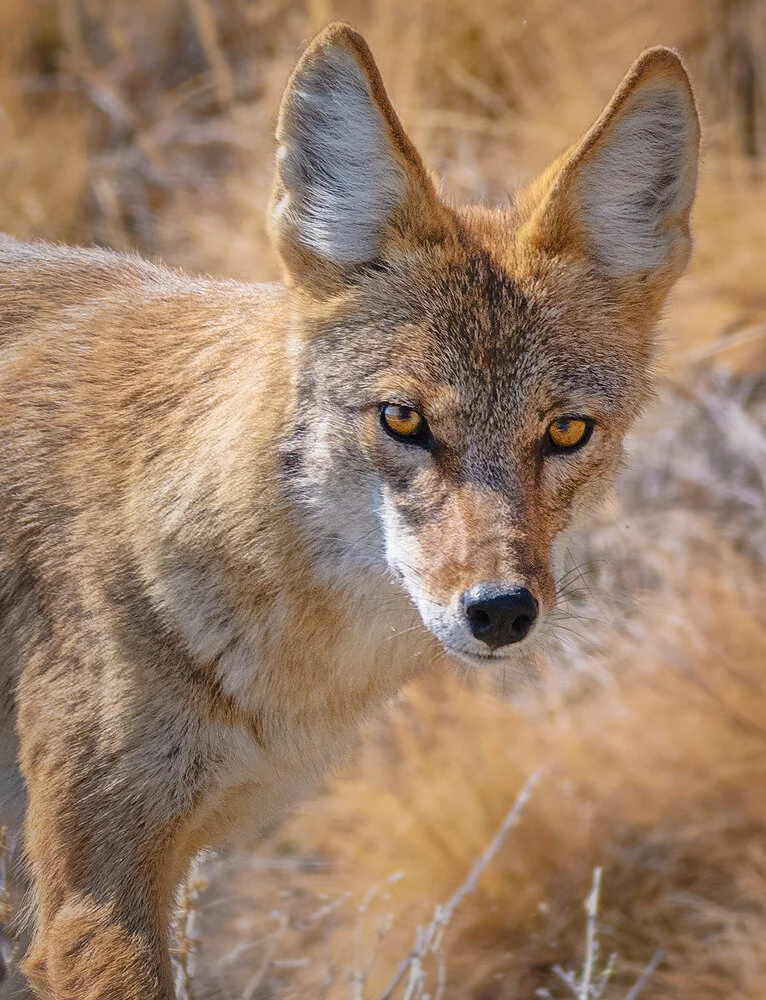
Photo by Randy Paylor
Virtual Elephant Seal Tour Recording
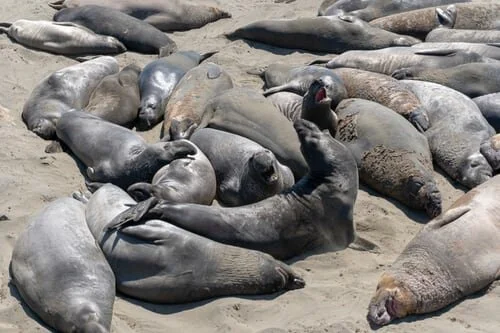
Join Año Nuevo Reserve Director, Patrick W. Robinson as he leads us on a virtual elephant seal tour at Año Nuevo State Park. His tour includes an introduction to the site, a walk through the colony, some show-and-tell of the electronic tags used on the seals, and a summary of some of the research projects that are being done. Because this park is currently closed to the public due to COVID-19 restrictions, this is quite an opportunity to view and learn a lot about these animals without the presence of crowds.
These webinars are made possible by the generosity of donors. Donate to help us continue these programs, and to support important land conservation on the coast.
The Scoop On Soil- Junior Land Stewards Virtual Environmental Science Program
Kasey Butler and Adria Arko , of San Mateo Resource Conservation District, introduce the Junior Land Stewards to what is important about soil, and the role it plays in our ecosystem. They share the biotic and abiotic components in soil. They also identify different types of soil, and illustrate how soil is so critical to environmental health.
With great thanks to our own Half Moon Bay High school Environmental Science students who lead the CUSD students in a soil decomposition activity, to bury cloth in different locations and observe the differences in microorganism decomposition activity.
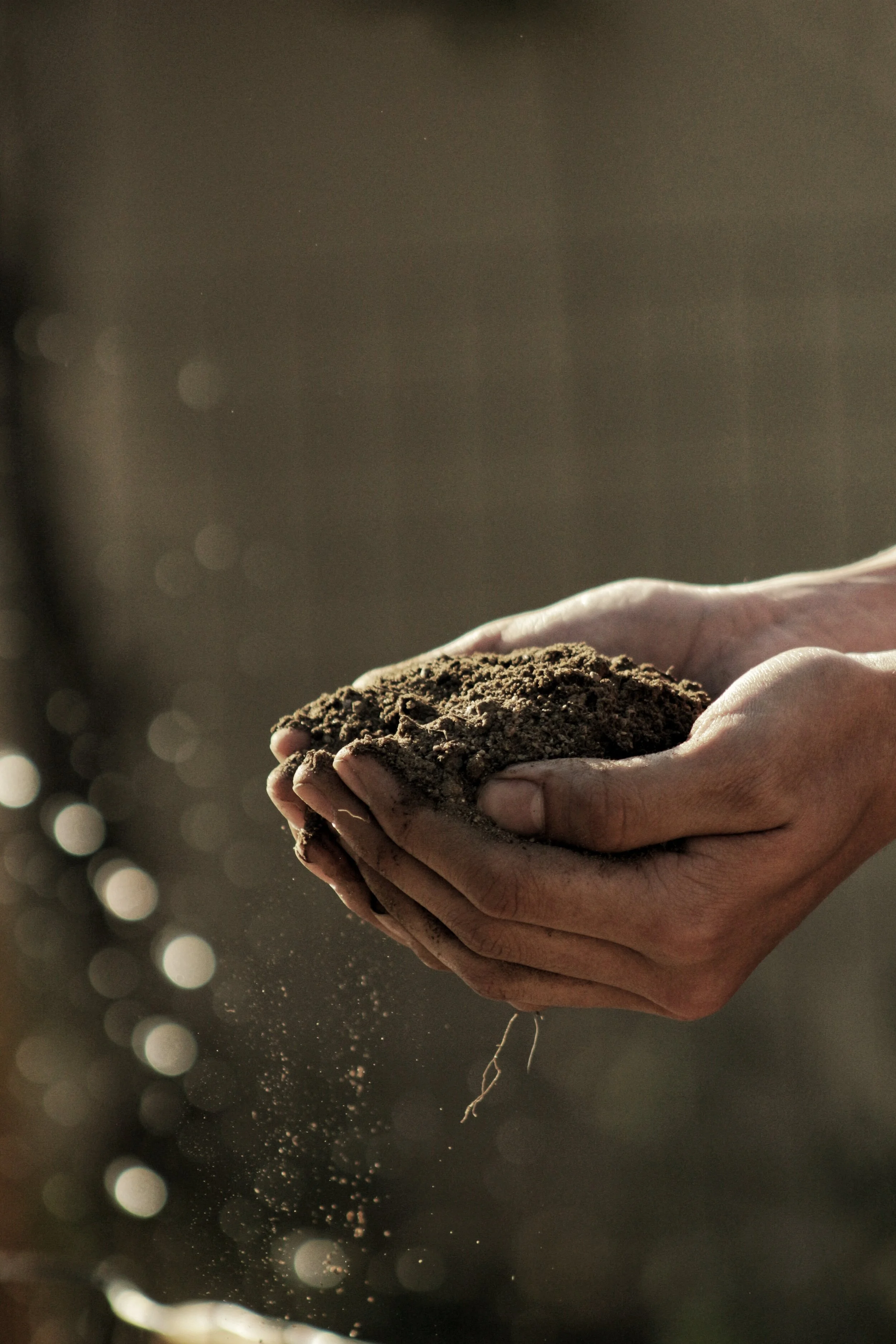
Photo by Gabriel Jimenez
Monarchs Take Flight recording
Kim Young , Xerces Education and Conservation Specialist Ambassador, explores the migrating mysteries of the monarch butterfly. She discusses the biology, mystique, and behaviors of this iconic butterfly and what we can do (as those along their migratory path) to help mitigate their severe decline. Young explores the reasons for the great loss in our Western Monarchs, and orients us to what we can do to provide habitat and forage in order to help monarchs roost in our California overwintering sites.

These webinars are made possible by the generosity of donors. Donate to help us continue these programs, and to support important land conservation on the coast.
Coyote Brush
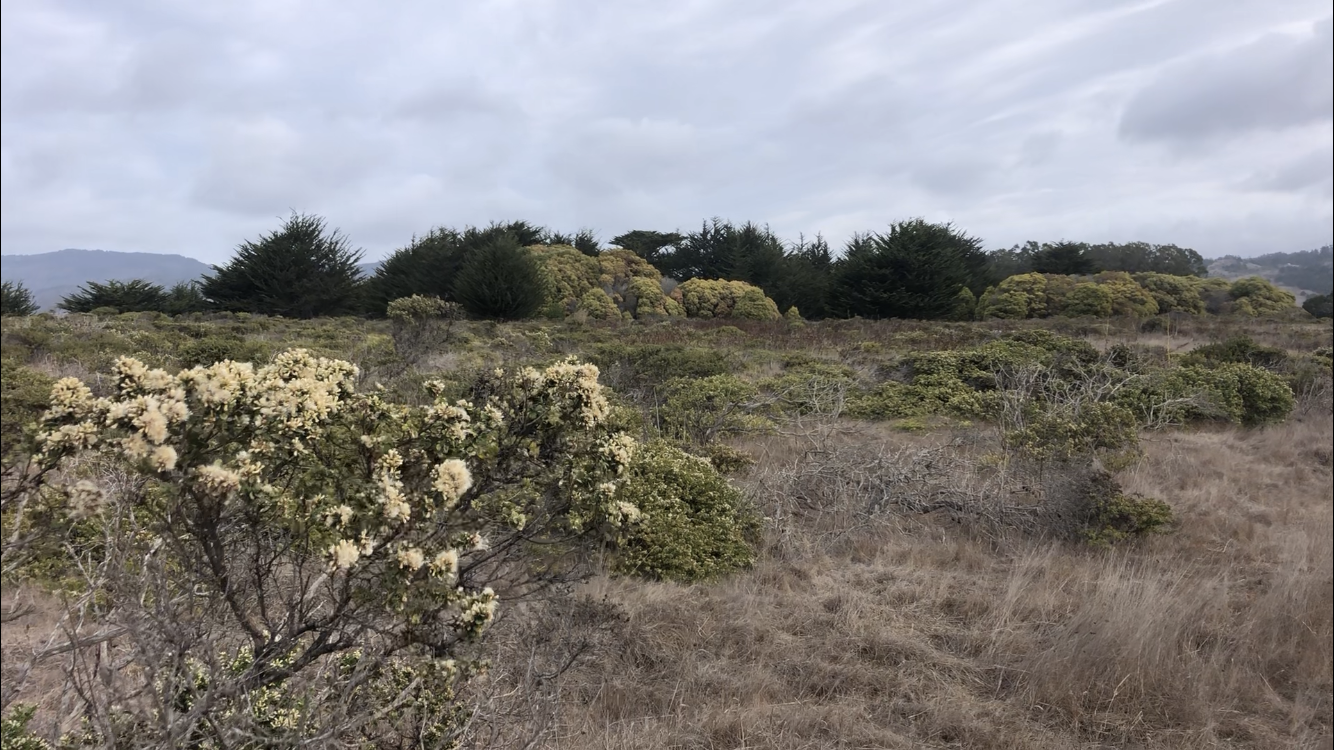
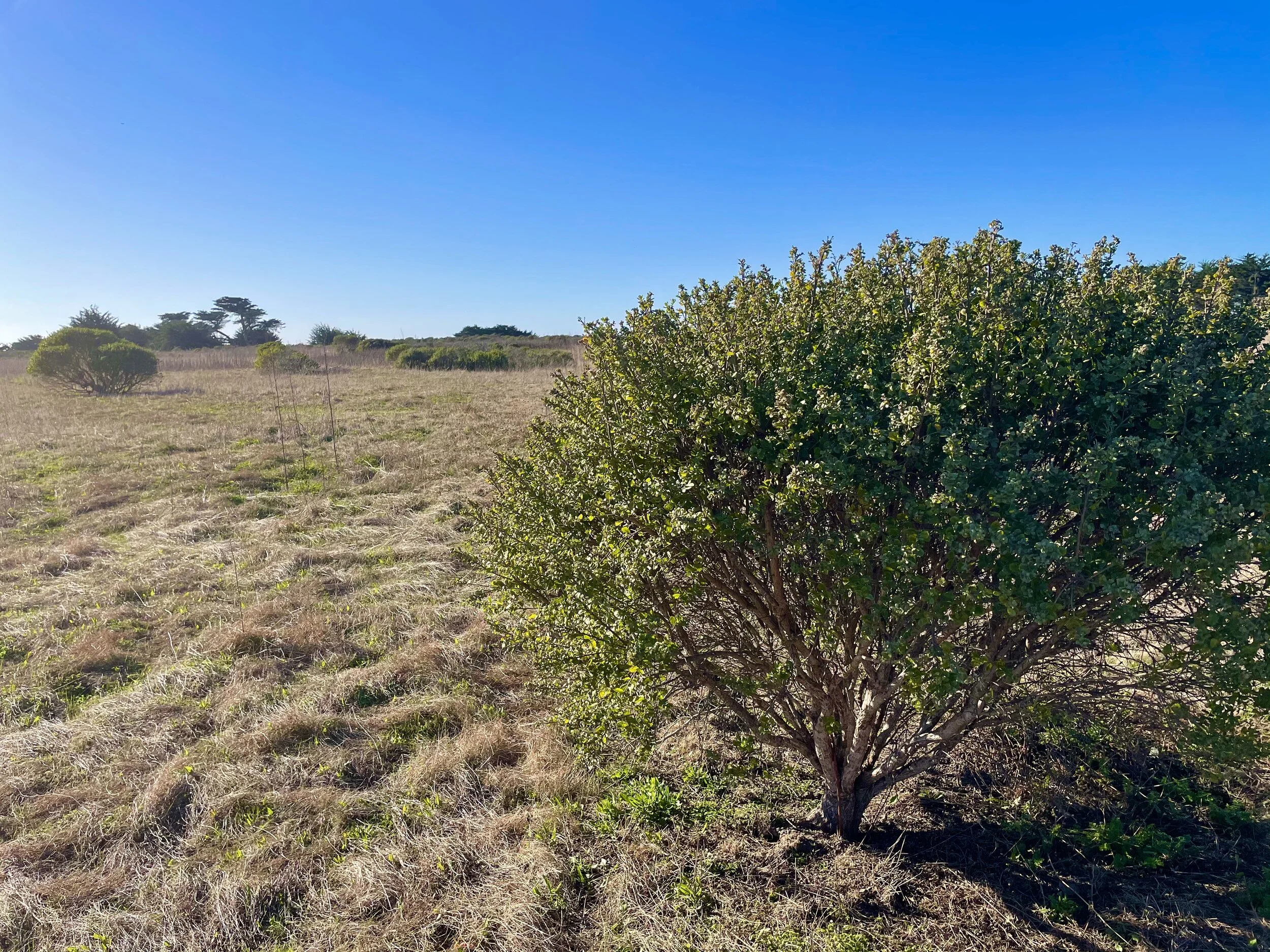
If you have been out for a walk in the Wavecrest Open Space, you have surely seen your share of Coyote brush. Baccharis pilularis, commonly known as coyote brush or coyote bush, is a shrub that can be found all over California- from San Diego County to Oregon, in a variety of habitats, from coastal bluffs to oak woodlands. Coyote brush is a woody perennial evergreen that looks like a bush but takes on a variety of different shapes, depending upon where it lives. There are two different subspecies of coyote bush. Asteraceae - Baccharis pilularis ssp. consanguinea - COYOTE BRUSH - is an upright, taller shrub. Asteraceae - Baccharis pilularis ssp. pilularis - COYOTE BRUSH (LOW GROWING) is low growing, mat forming (mostly less than 2 feet tall) and is considered a ground cover.
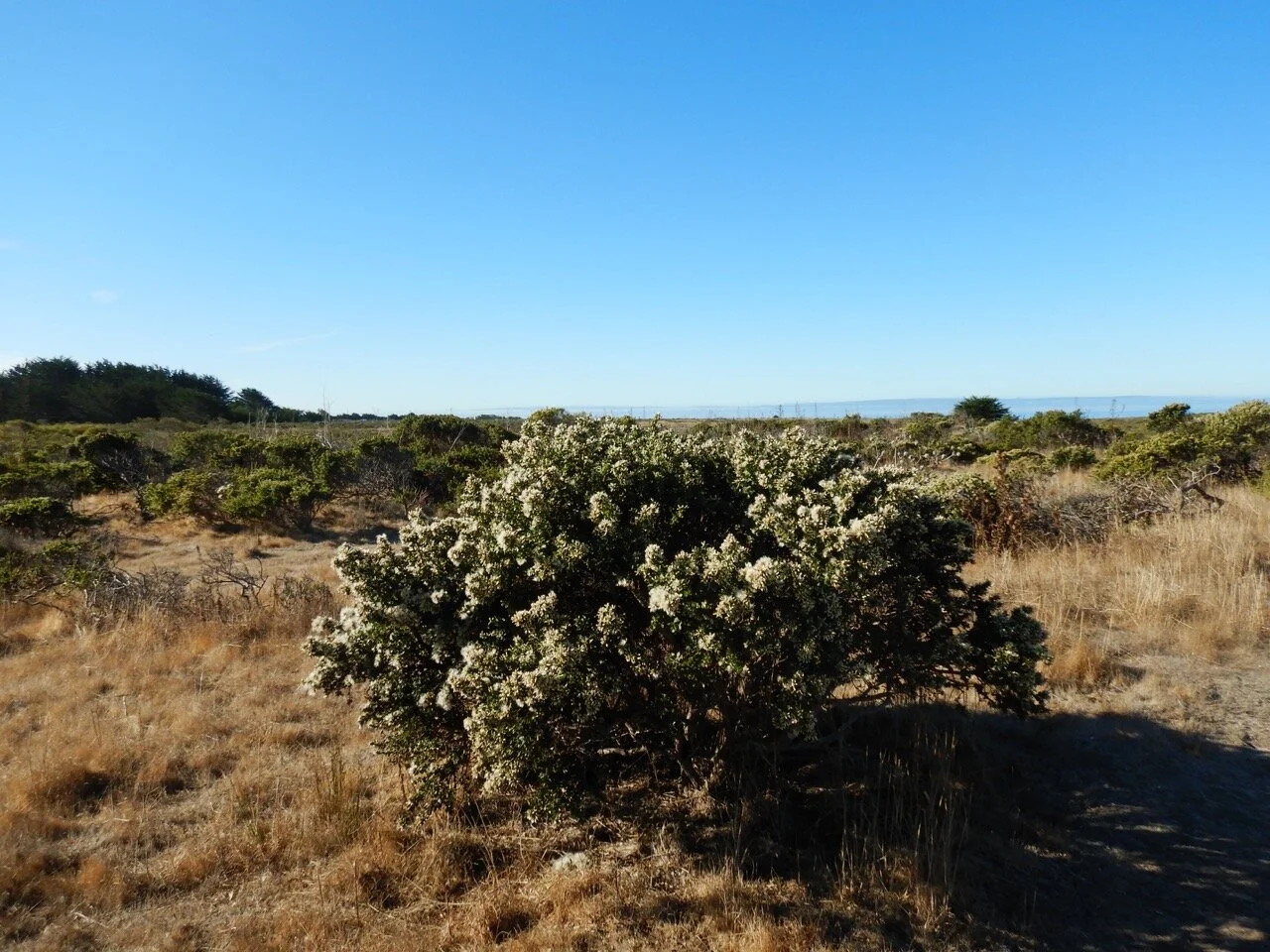
Asteraceae - Baccharis pilularis ssp. consanguinea - COYOTE BRUSH
Photograph by: Toni Corelli (taken at Wavecrest Open Space)
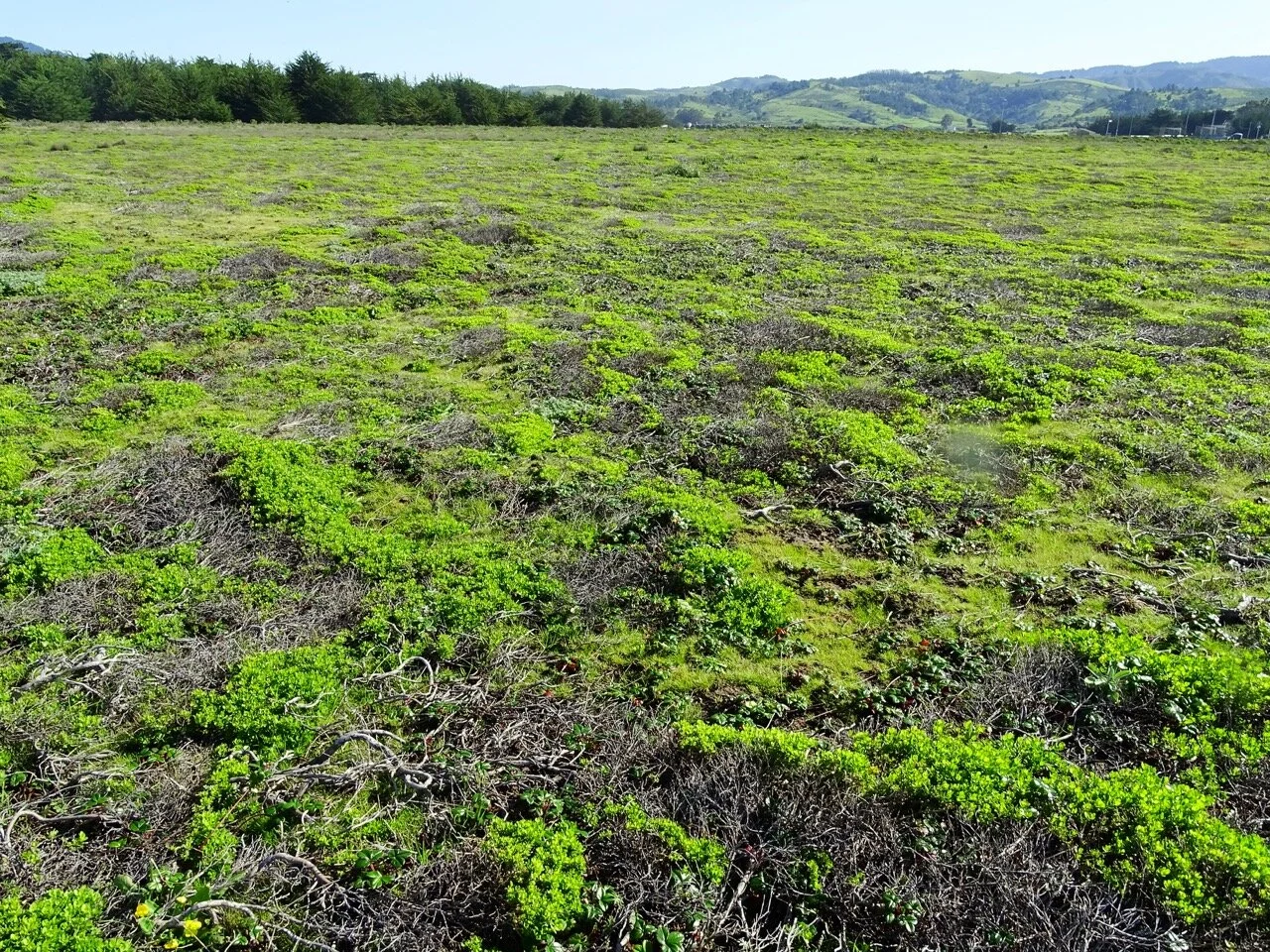
Coastal Bluff Scrub -Asteraceae - Baccharis pilularis ssp. pilularis - COYOTE BRUSH (LOW GROWING)
Photograph by: Toni Corelli (taken at Wavecrest Open Space)
Coyote brush is a perennial evergreen shrub that typically blooms between September and January, when the majority of other plants are dormant. It can grow in many soil types, including alkaline and clay soil, providing a thick woody shrub for wildlife cover and a critical nectar source for many native species of butterflies, bees, wasps, and flies. Coyote brush is dioecious, meaning each plant is either male (its flowers are pollen-producing) or female (its flowers are seed-producing). The white fluffy female and yellowish male flowers grow on separate shrubs.
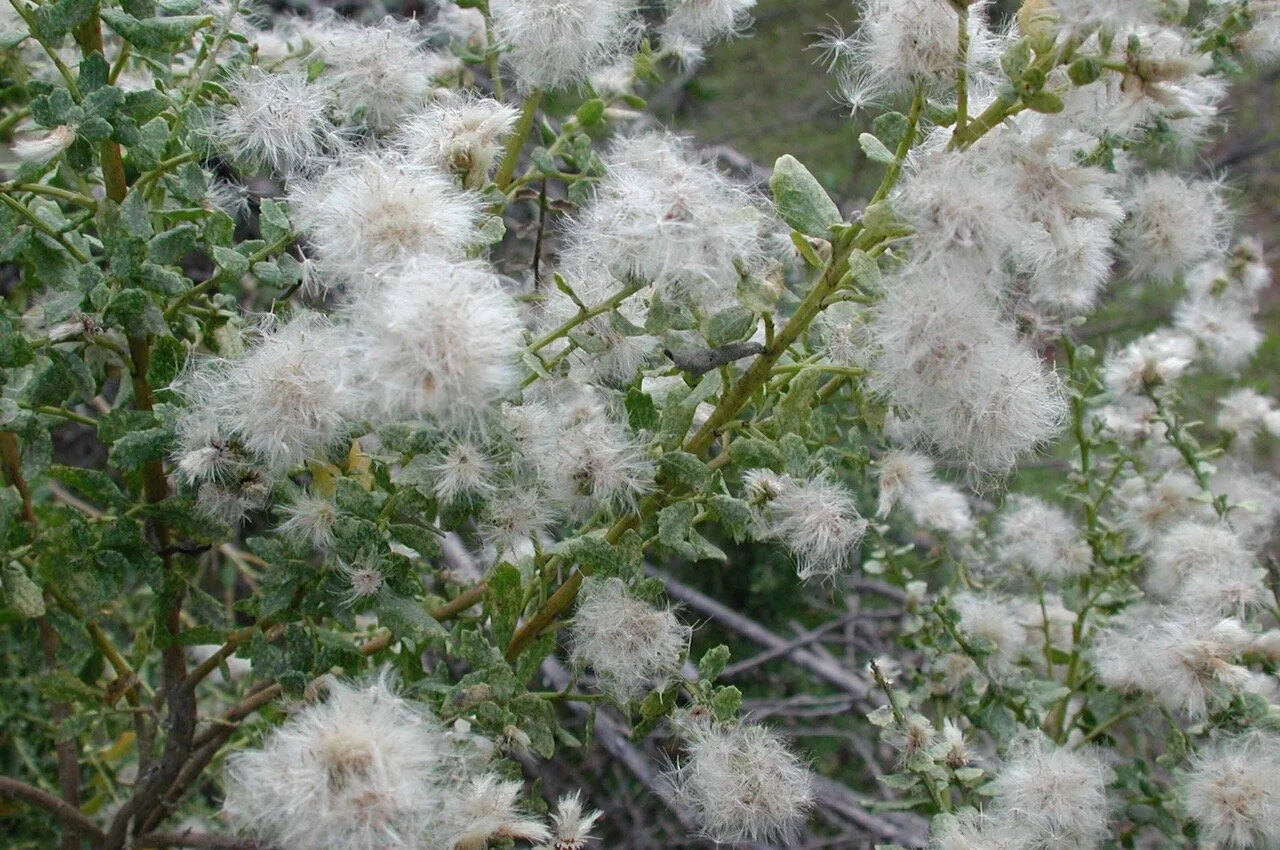
Asteraceae - Baccharis pilularis (coyote brush) female flowers JR
Photograph by: Toni Corelli
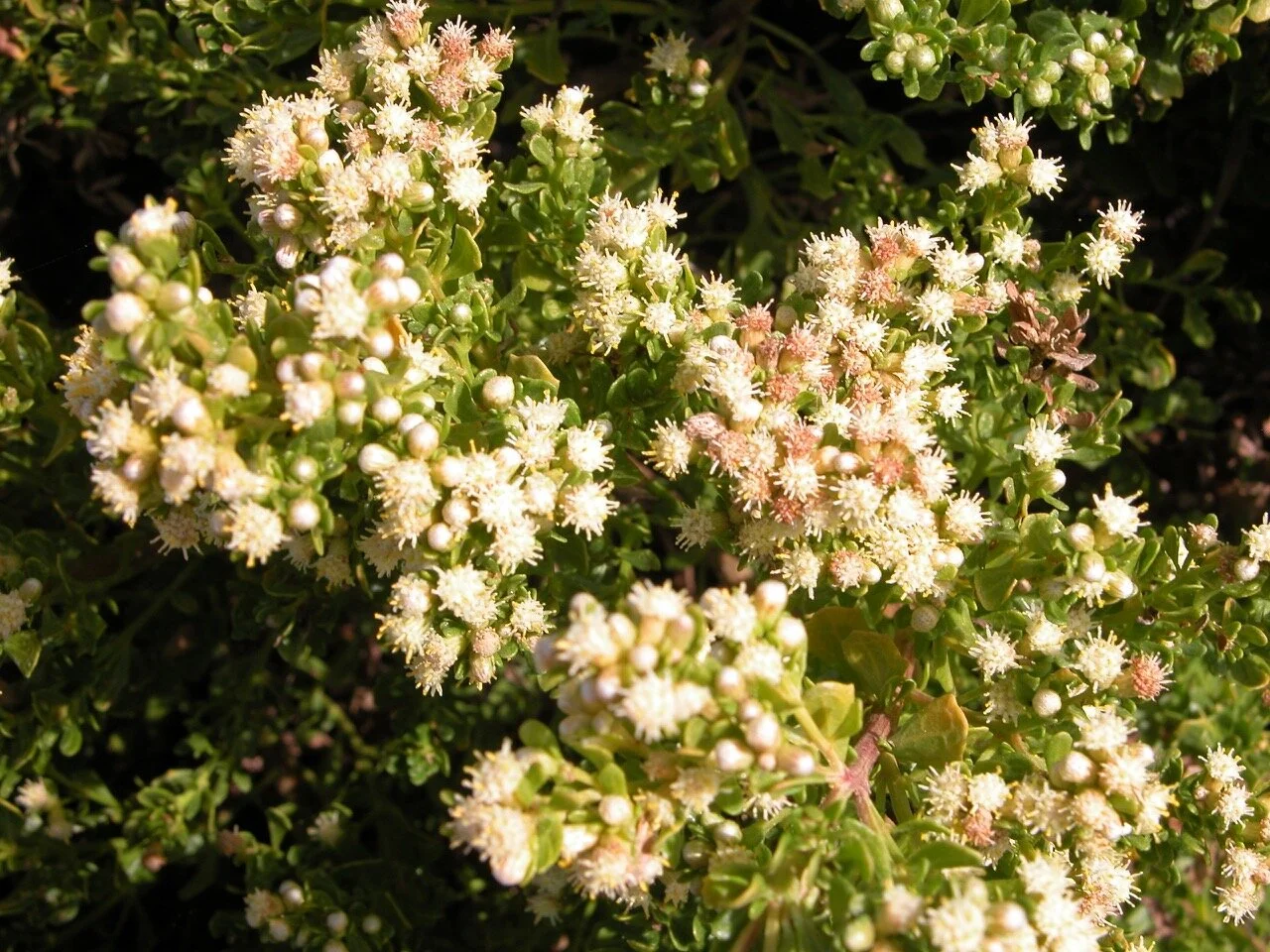
Asteraceae - Baccharis pilularis - coyote brush - male fl AN
Photograph by: Toni Corelli
Coyote shrubs are exceptionally adept at survival, with a large root system which extends many yards out from the plant. It is extremely drought, deer, and fire resistant, and is referred to as a pioneer species because it is one of the first shrubs to appear after other plants have been removed by cultivation or fire.
There are a number of different theories for why this plant is called “coyote brush/bush”. One suggestion is that the seed pods have a crown of white hairs that give the appearance of a mass of fluffy white coyote fur. Another theory is that, like the coyotes, it is very adaptable to different habitats and climates.
Monarchs Take Flight
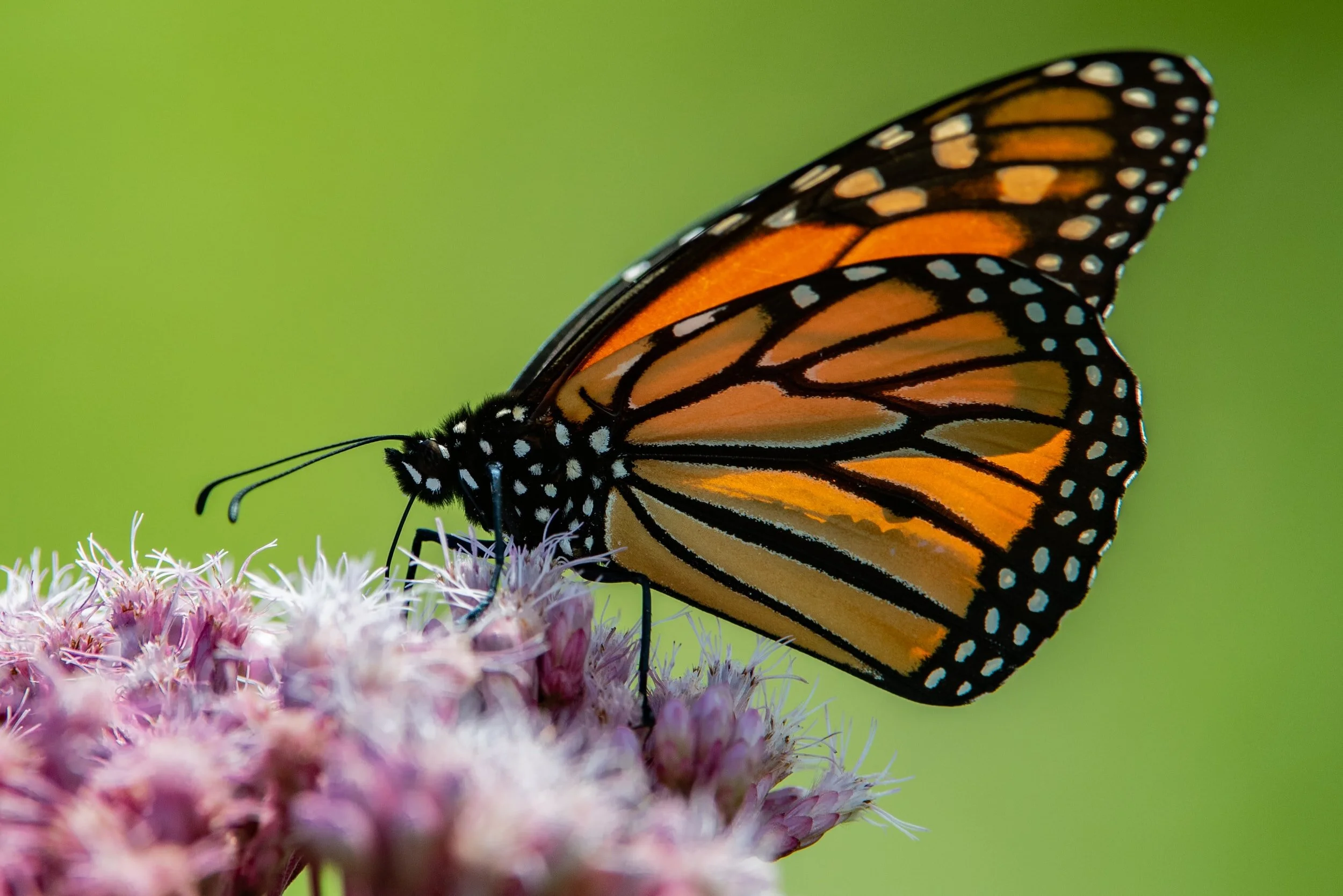
Join the Coastside Land Trust, as we welcome Kim Young, Xerces Education and Conservation Specialist Ambassador, as she explores the migrating mysteries of the monarch butterfly. She will talk about the biology, mystique, and behaviors of this iconic butterfly and what we can do (as those along their migratory path) to help mitigate their severe decline. Young will explore the reasons for the great loss in our Western Monarchs, and orient us to what we can do to provide habitat and forage in order to help monarchs roost in our California overwintering sites. There will be a Q and A session to follow.
This 60 minute webinar is free, and is sure to be educational and engaging for adults and children. All are welcome. CLT webinar presentations are recorded and posted to our YouTube channel.
Local Mountain Lions- Junior Land Stewards Virtual Environmental Science Program
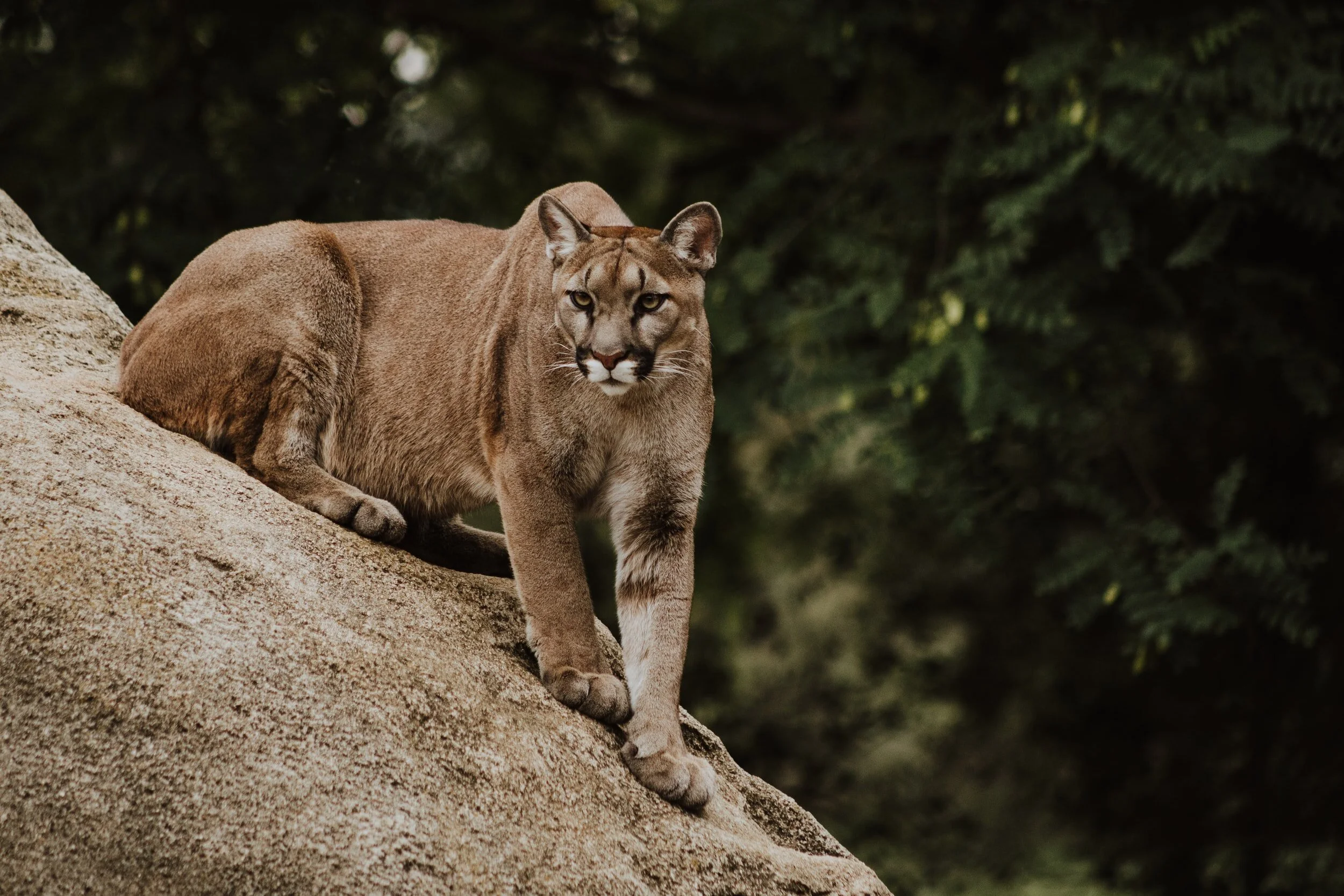
Join Courtney Coon, of Felidae Conservation Fund, as she introduces our Junior Land Stewards to our local mountain lions. She explores how to identify them, how they live and function as essential parts of our local ecosystem, and why we must work to preserve their way of life.
With great thanks to our own Half Moon Bay High school Environmental Science students who lead the CUSD students in a Mystery Science predator/ prey food chain activity.
Celebration Of Our Local Open Spaces Recording
Check out our video recording, as the Coastside Land Trust celebrates all of our properties and the accomplishments of this year. This video includes a beautiful and informational slide show of our properties, created by Barbara Dye. We also talk about the work that we are doing, the programs we are offering, the people who are making a difference, and the importance of our local open spaces.

Donate to support our important land conservation and stewardship on the coast.
Invertebrates of the Coast- Junior Land Stewards Virtual Environmental Science Program
Check out the what the CLT Junior Land Stewards virtual environmental science program will be learning about next! You can join along as Dr. Stephanie Dole, the “Beetle lady”, shares about our local invertebrates. This is a really fun presentation, complete with an orientation to our local invertebrates, and an introduction to many of our presenter’s “pets”.
With great thanks to our own Half Moon Bay High school Environmental Science students who lead the CUSD students in an activity, in which the CUSD students create their own bug pooters- a safe and humane way to capture and observe local invertebrates.
Click to learn more about the Junior Land Stewards program:
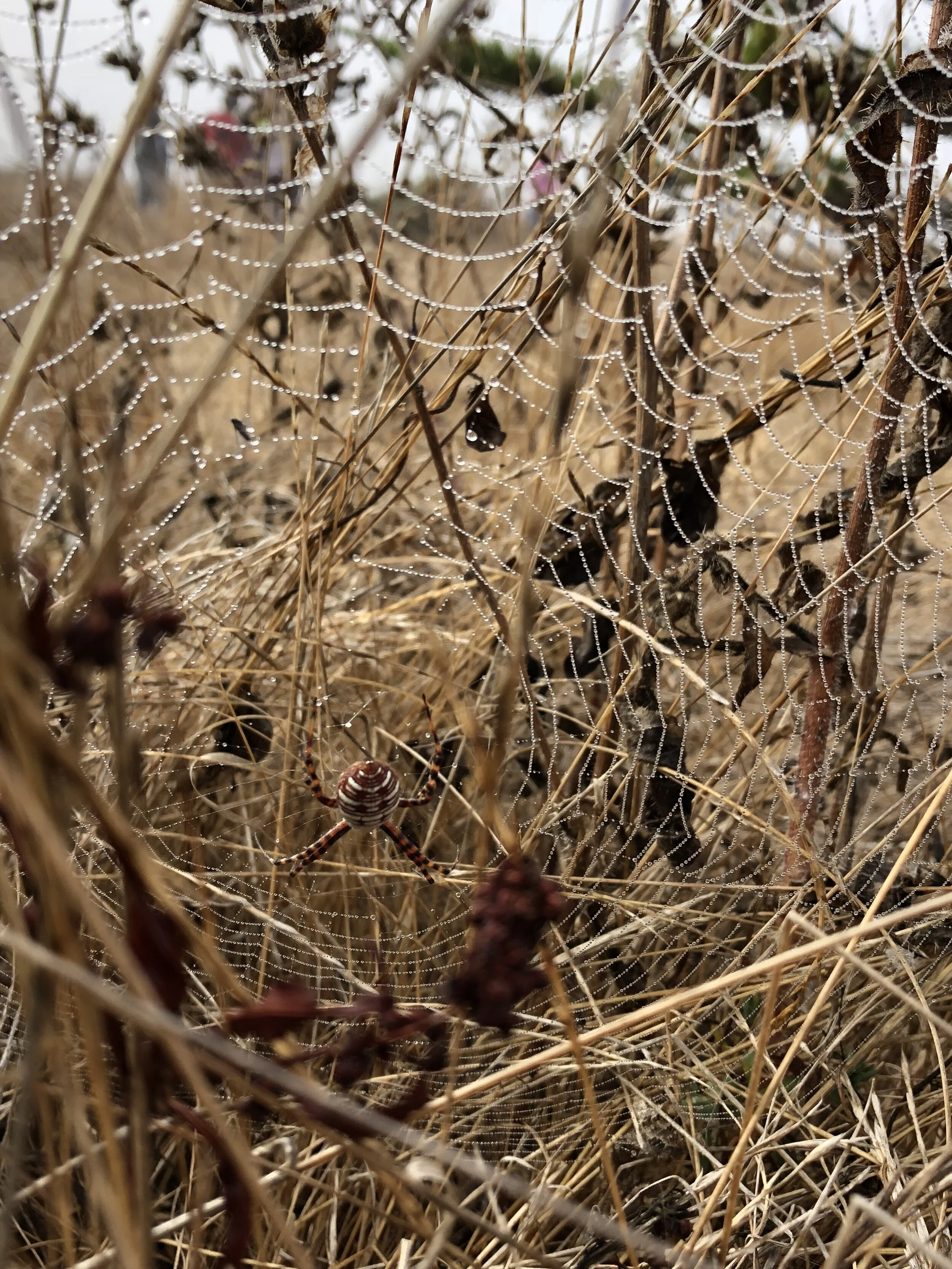
Celebrate Our Local Open Spaces
The Coastside Land Trust celebrates all of our properties and our accomplishments this year. This presentation features a beautiful and informational slide show of our properties, created by Barbara Dye. We also talk about the work that we are doing, the programs we are offering, the people who are making a difference, and the importance of our local open spaces.
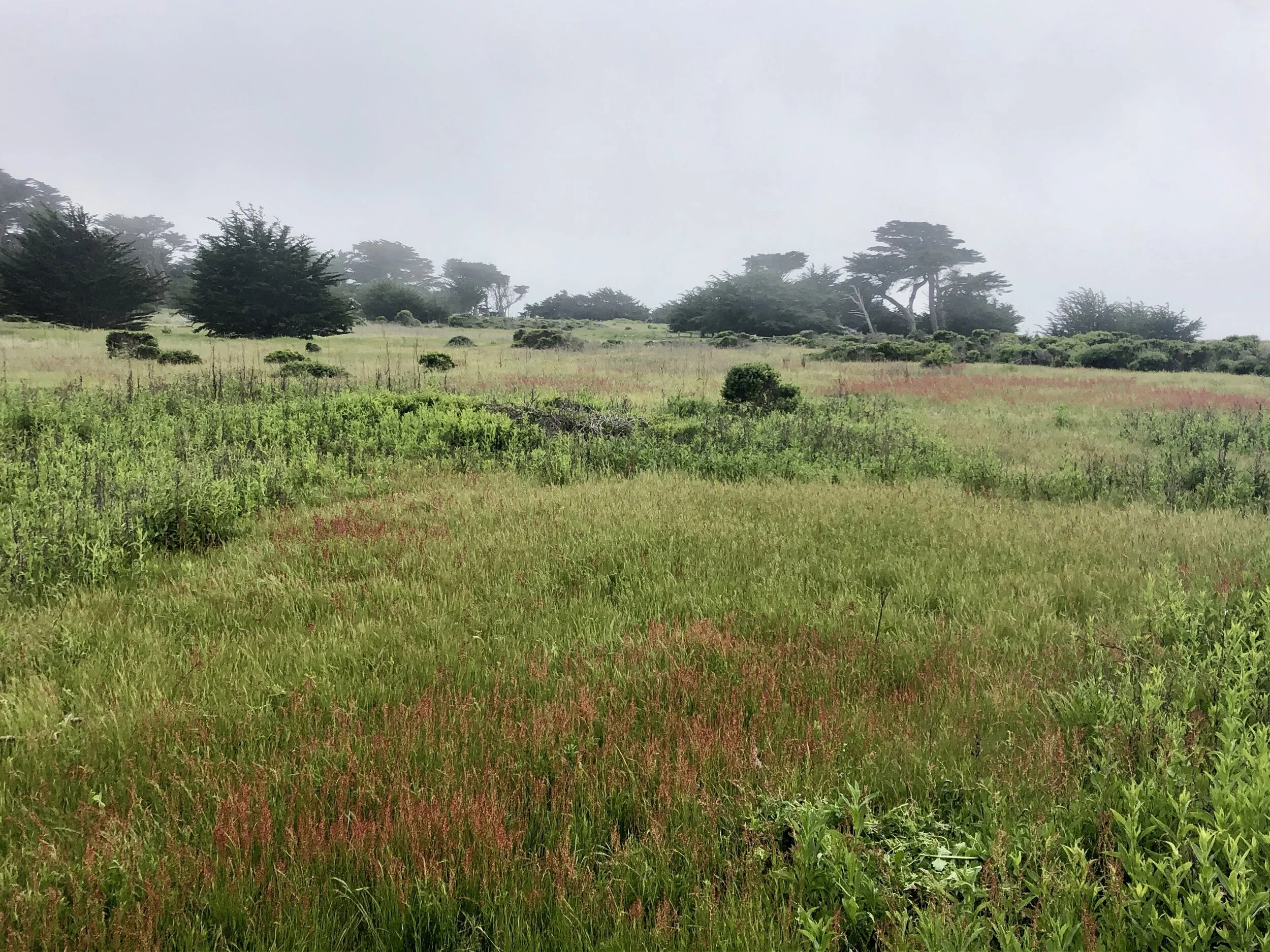
Donate to help us continue these programs, and to support important land conservation on the coast.
Wintering Raptors of Wavecrest
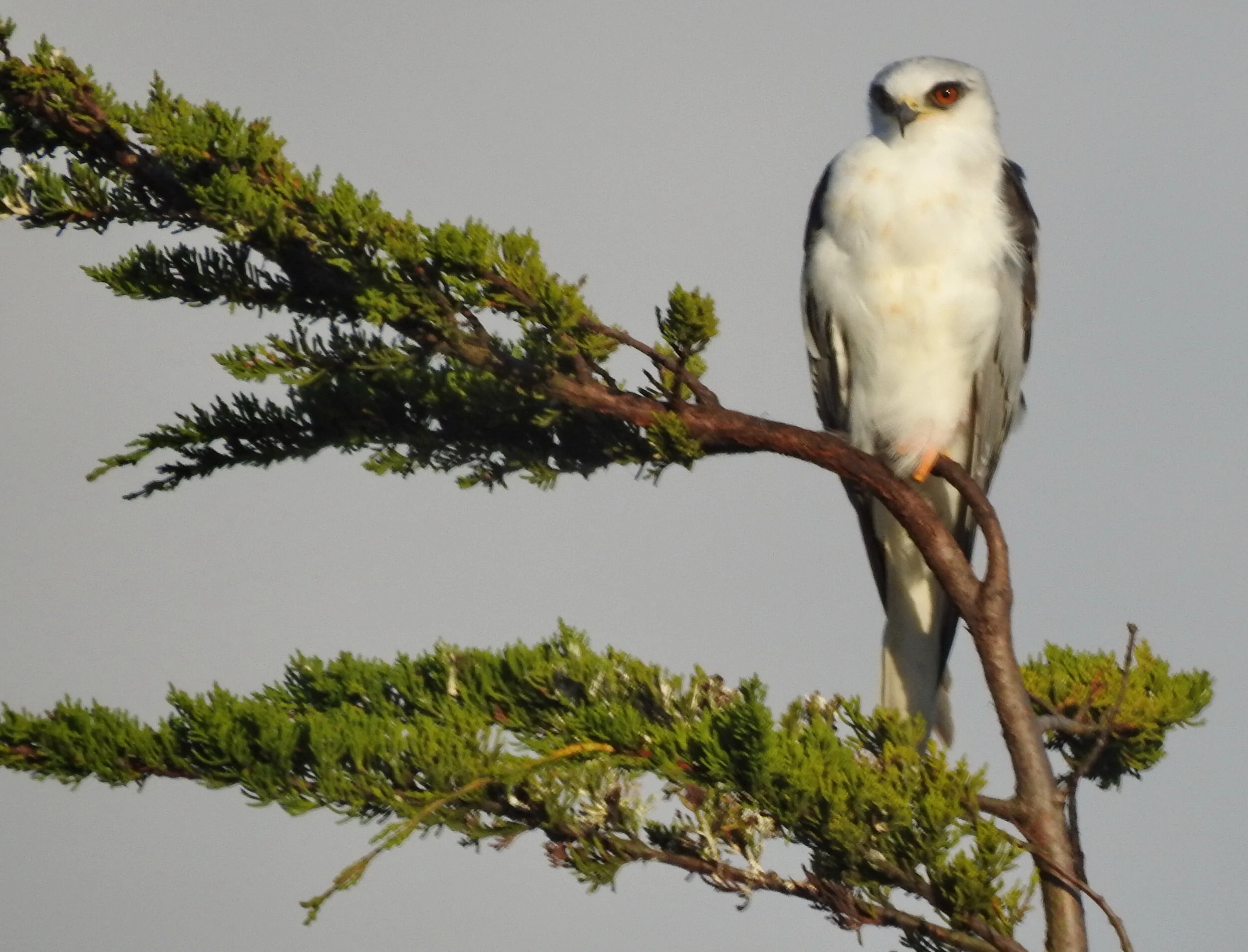
Photo credit: Barbara Dye
Wavecrest is the single most important site on the San Mateo Coast for wintering raptors, which can be seen hunting in the property’s broad fields. Raptors and other species rely on its expansive grasslands, wetland areas and roosting sites, all of which are an integral part of the coast’s ecological health. Famous for its variety and numbers of resident and migratory raptors, Wavecrest is the place to see them all, including White-tailed Kite, Northern Harrier, Turkey Vulture; Sharp-shinned, Cooper’s, Red-shouldered, and Red-tailed Hawks; American Kestrel and sometimes Merlin, and Peregrine falcons. Occasional sightings of Swainson’s & Rough-legged Hawks; and Prairie Falcon.
Here is a recording of the Songbirds, Seabirds and More Webinar Series/Session 6- RAPTORS OF WAVECREST. Renowned international bird guide, Alvaro Jaramillo, joins the Coastside Land Trust to share about our local raptors.
Donate to support the preservation, protection, and enhancement of these local open spaces.
To learn more about Alvaro Jaramillo and his tours, research, and other work, check out: http://alvarosadventures.com
Coastside Ecosystems and Open Spaces- Junior Land Stewards Virtual Environmental Science Program
Check out the what the CLT Junior Land Stewards virtual environmental science program is learning about next! You can join along as Barbara Lohman, Coastside Land Trust board president, shares about the variety of ecosystems here on the coast, many distinguishing features (both biotic and abiotic), and how stewardship is critical to all of our open spaces.
With great thanks to our own Half Moon Bay High school Environmental Science students who lead the CUSD students in an activity, in which the CUSD students build and observe their own bottle ecosystems.
Click to learn more about the Junior Land Stewards program:
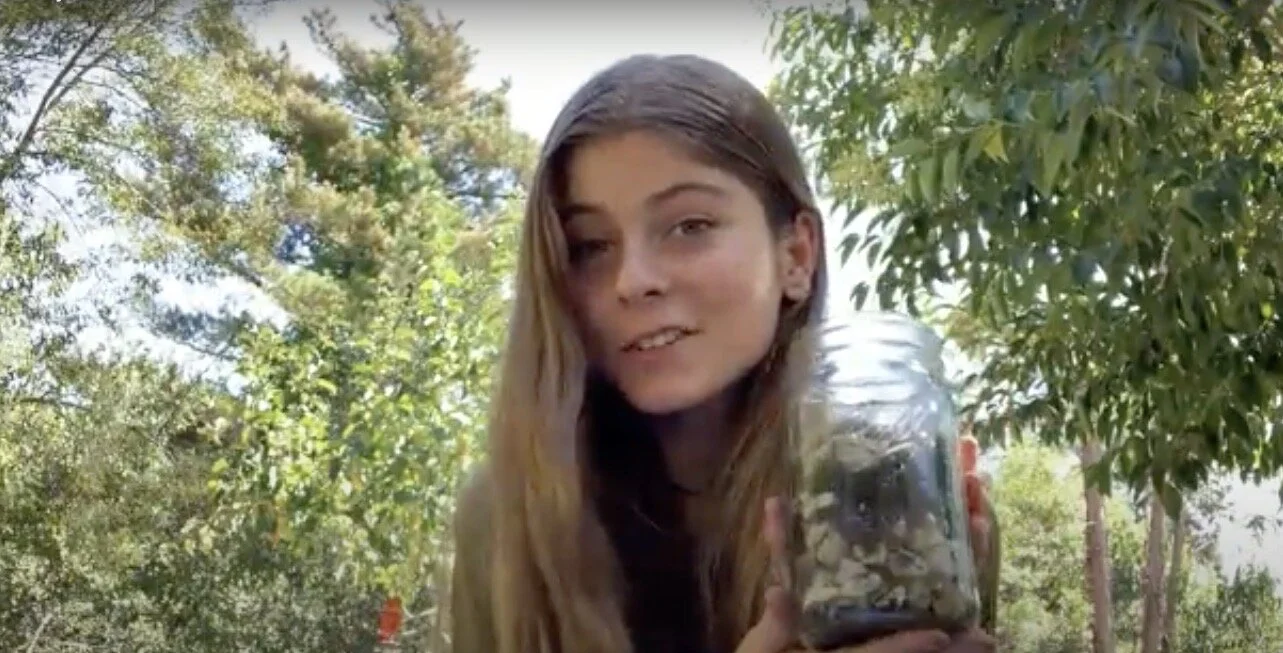
Coastal Plant Habitats- Junior Land Stewards Virtual Environmental Science Program
The CLT Junior Land Stewards virtual environmental science program has been exploring our coastal plant habitats. Local botanist, Toni Corelli, has been guiding the fourth and fifth graders of Cabrillo Unified School District in exploring the many local plant communities that grow along the San Mateo coast. Ms. Corelli discusses why plants thrive in this environment, and how we can all help to be stewards of the land around us.
With great thanks to our own Half Moon Bay High school Environmental Science students who lead the CUSD students in an activity, in which the kids build plant WANTED posters for our local coastal plants.
Click to learn more about the Junior Land Stewards program:
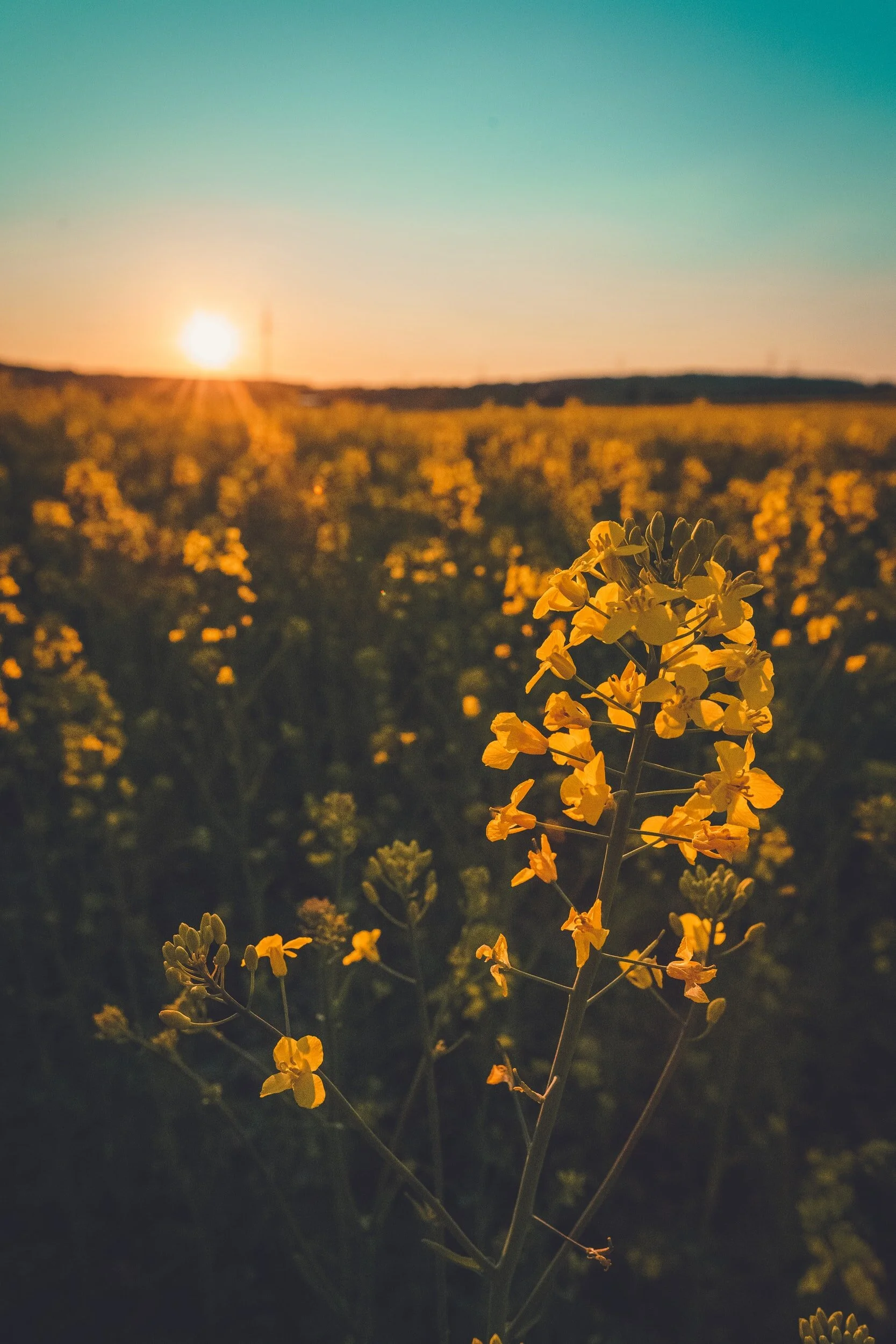
A Glimpse Of Fall From Wavecrest Open Space
Plants here have evolved to use the summer fog to get enough water during the dry summer season. These plants that make up these ecosystems have to be tolerant of high salt levels in the air and soil. Coyote Brush, a member of the Coastal Scrub community, accumulates salt from the air in its foliage and roots, increasing the salt content of the soil when it dies.
Donate to support the preservation, protection, and enhancement of these local open spaces.
Northern Elephant Seals: From the Beach to the Sea
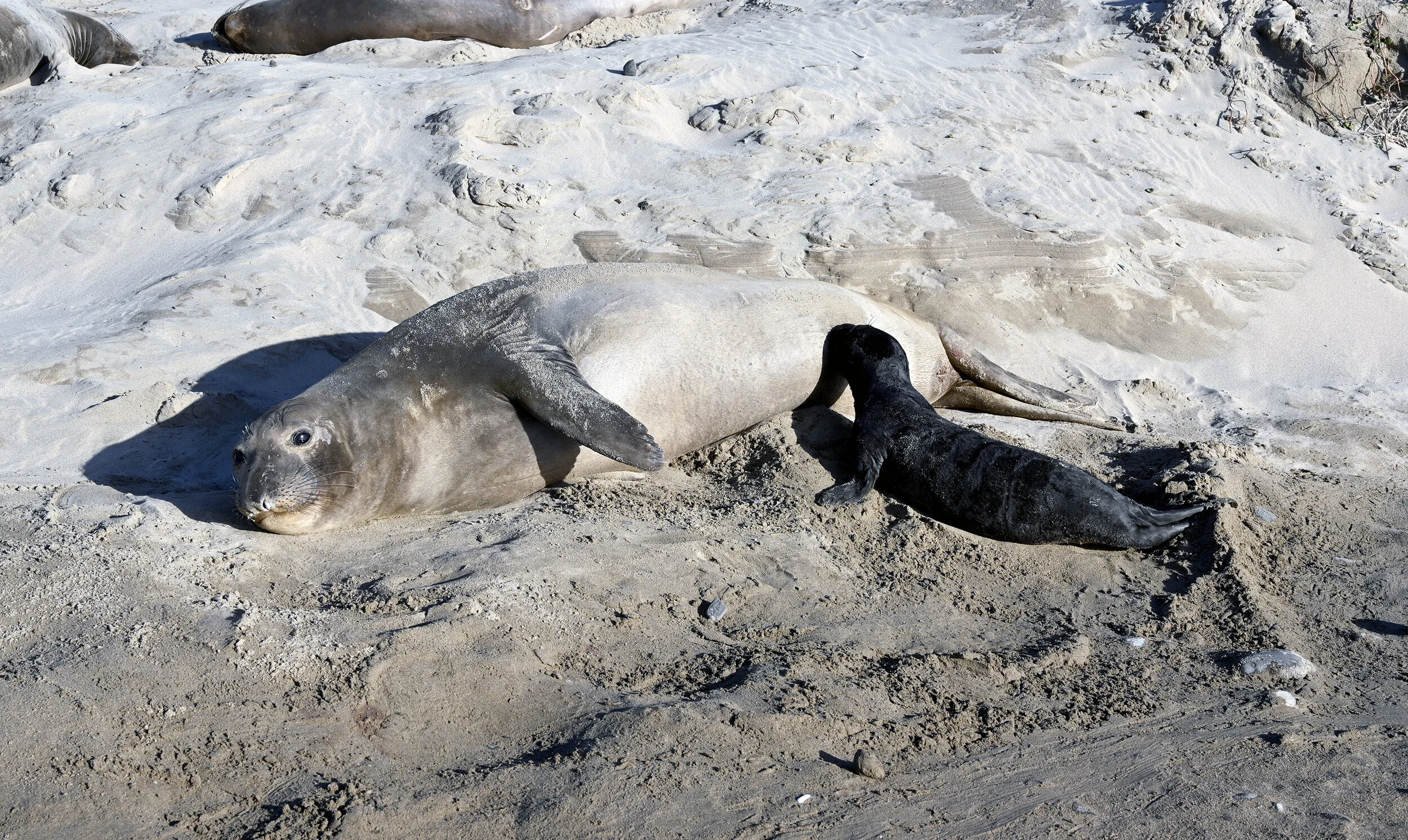
Dr. Dan Costa explores the physiology, ecology, and behavior of the Northern Elephant Seal. Dr. Costa is the Director of the Institute of Marine Sciences and Distinguished Professor at UC Santa Cruz. He is an internationally recognized expert on marine mammals of the Central Coast. This presentation is the last presentation of a three part marine mammals webinar series.
Check out the Costa Lab at: https://costa.eeb.ucsc.edu
These webinars are made possible by the generosity of donors. Donate to help us continue these programs, and to support important land conservation on the coast.